



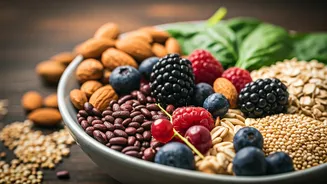
Feed Your Flora with Fiber First
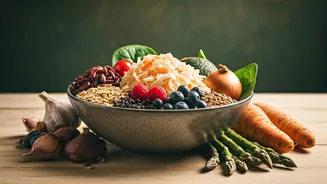
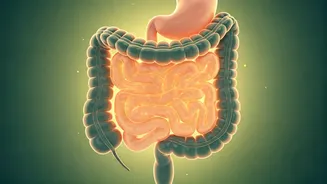
Before you even think about adding new bacteria (probiotics), you need to feed the good bacteria you already have. Their favorite food is fiber, specifically prebiotic fiber. Think of prebiotics as the fertilizer for your internal garden. The good microbes
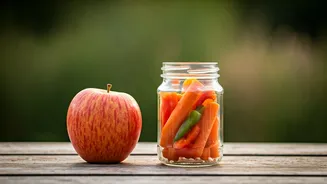
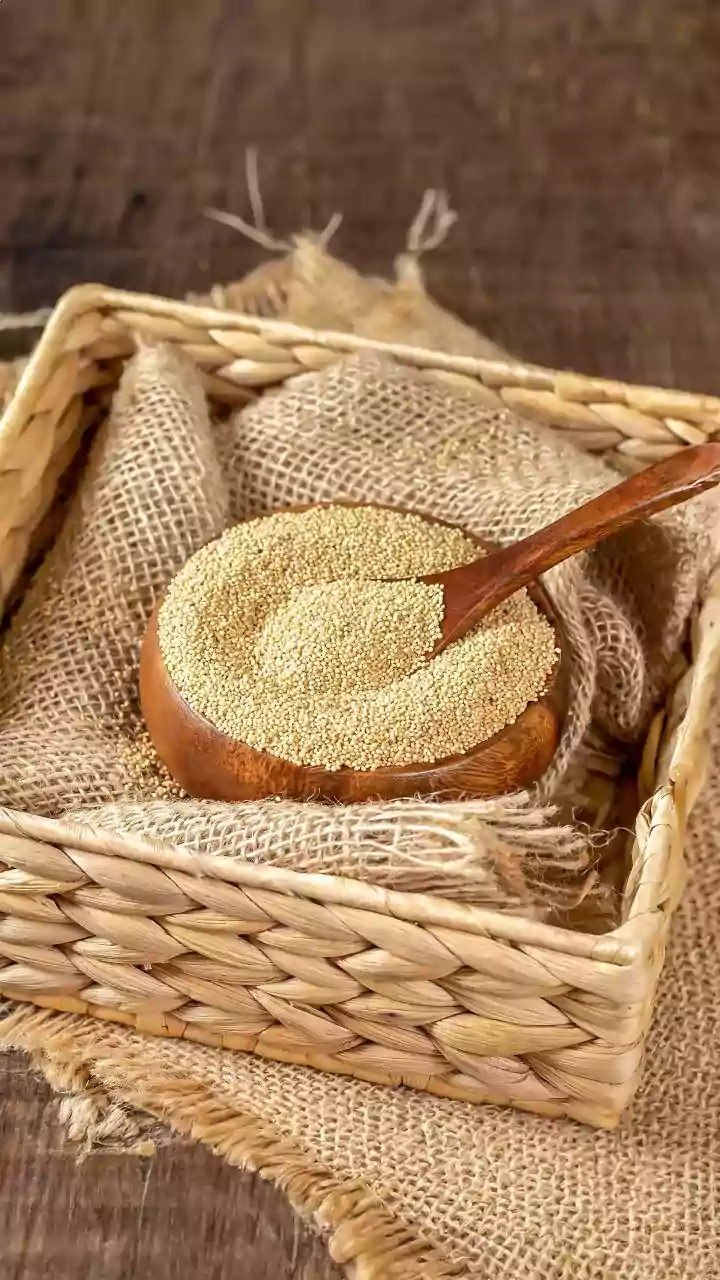
in your colon ferment these fibers, producing beneficial compounds like short-chain fatty acids that protect your gut lining and reduce inflammation. Fancy probiotic pills can be a shot in the dark; many don't survive the journey through your stomach acid. Fiber, however, is a guaranteed way to nourish your unique microbiome. You don't need a special powder. Just load up on affordable, accessible foods like oats, beans, lentils, apples, bananas (especially slightly green ones), onions, and garlic. Aiming for a diverse range of plant-based foods is the single most powerful step you can take.
Get Probiotics from Your Plate
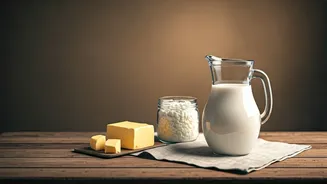
The idea of swallowing a capsule containing billions of live organisms has a certain clinical appeal. But humans have been consuming probiotics for millennia in the form of fermented foods. These foods provide a variety of bacterial strains and come with a host of other nutrients. Plain yogurt and kefir with live active cultures are fantastic starting points. They offer protein and calcium alongside the good bugs. For a dairy-free option, look no further than sauerkraut, kimchi, or tempeh. These foods have a proven track record. While a specific probiotic strain in a supplement might be useful for a specific, doctor-recommended purpose, for general gut wellness, getting your probiotics from whole foods is a more holistic—and delicious—approach. It encourages you to eat real food, not just rely on a pill as a substitute for a healthy diet.
Manage the Gut-Brain Connection
Your gut is often called the “second brain” for a reason. The gut-brain axis is a constant, two-way communication system. Ever felt “butterflies” in your stomach when nervous? That’s the axis in action. Chronic stress is a notorious gut disruptor. It can alter the composition of your microbiome, increase intestinal permeability (often called “leaky gut”), and worsen symptoms of digestive distress. No supplement can out-perform a good night's sleep or a solid stress-management routine. Prioritizing 7-9 hours of quality sleep allows your digestive system to rest and repair. Likewise, incorporating activities like meditation, deep breathing, a walk in nature, or any hobby that calms you down can have a direct, positive impact on your digestive health. These lifestyle factors are free, yet their value to your gut is priceless.
Add Water and a Rainbow of Plants
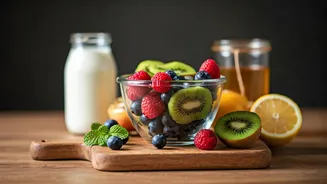
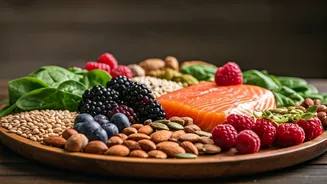
It sounds almost too simple to be effective, but proper hydration is non-negotiable for a happy gut. Water is essential for breaking down food and absorbing nutrients. More importantly, it works hand-in-hand with fiber. Soluble fiber absorbs water to form a gel-like substance that helps with stool consistency, while insoluble fiber needs water to add bulk and promote regularity. Without enough water, a high-fiber diet can lead to discomfort and constipation. Beyond water, focus on dietary diversity. The “eat the rainbow” advice isn't just a cliché; different colored plants contain different fibers, vitamins, and phytochemicals. Each of these feeds a different family of gut microbes. Instead of buying a greens powder, just try to add one more color to your plate each day—a handful of berries, some spinach, or a few slices of bell pepper. This variety is key to building a resilient and robust gut ecosystem.
Simply Move Your Body
You don't need a punishing HIIT class to reap the digestive benefits of exercise. Gentle, consistent movement is a powerful tool for gut health. Physical activity helps stimulate the muscles of your intestines, a process known as peristalsis, which keeps food moving through your digestive system and prevents bloating and constipation. Studies have also shown that regular exercise can increase the diversity of your gut microbiome, promoting the growth of beneficial bacteria. A brisk 30-minute walk, a gentle yoga session, or a bike ride can make a significant difference. It’s another example of how foundational lifestyle habits, which cost nothing, provide benefits that no bottled product can replicate. The goal isn't to become an elite athlete; it's to make movement a regular, enjoyable part of your routine.