


The Himalayan Trek for the Rest of Us
When you picture a Himalayan trek, your mind likely conjures images of arctic gear, oxygen masks, and grueling multi-week expeditions. But nestled in the Indian state of Uttarakhand is a journey that rewrites that script. The Valley of Flowers trek is the antithesis
of the high-altitude, high-stakes climb. It’s an invitation. Designated a UNESCO World Heritage Site, this vibrant alpine meadow is designed by nature to be absorbed slowly, making it one of the most accessible and rewarding trekking experiences in the world. The entire philosophy here is different. The goal isn't a summit; it's the valley itself. The trek is intentionally structured to be manageable, with relatively short daily distances that allow for acclimatization and, more importantly, for time. Time to breathe in the pine-scented air, listen to the rush of the Pushpawati River, and actually *see* the landscape you’re traveling through. This is a trek for people who want to walk with a camera in one hand and a sense of wonder in the other, not an ice axe.
The Journey to the Valley's Gate
The adventure begins long before you see the first bloom. The gateway to the valley is Ghangaria, a simple, bustling base camp village that sits at around 10,000 feet. Reaching it is the first part of the trek, a roughly 8-mile walk from the starting point of Pulna. While it’s an uphill climb, the path is well-maintained and follows the lovely Hemganga River. This initial day is where the “slow trekker” philosophy becomes clear. There’s no rush. You’ll see families, groups of friends, and solo travelers of all ages making their way up. For those concerned about the walk, accessibility is built into the local economy. Porters are readily available to carry your main pack, leaving you with just a light daypack. You can even hire a mule or be carried in a 'dandi' (a simple palanquin) for part or all of the way to Ghangaria. This isn't cheating; it's a recognition that the mountains should be for everyone. By making the journey to the base camp manageable, it preserves your energy for the main event.
Entering a Living Kaleidoscope
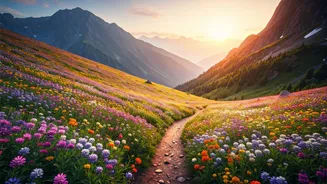
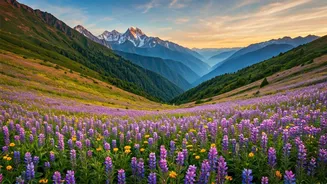
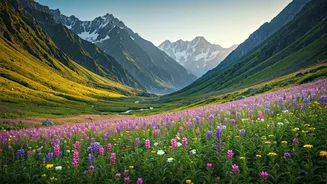
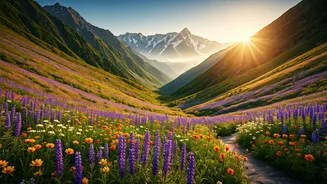
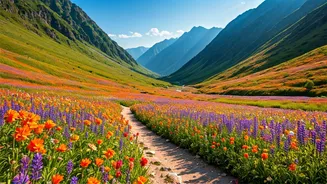
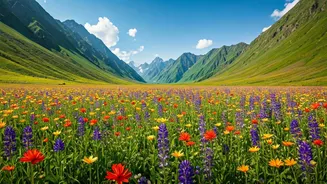
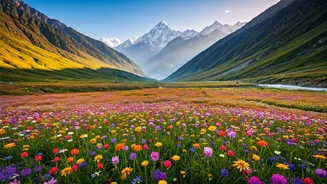
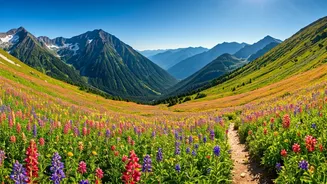
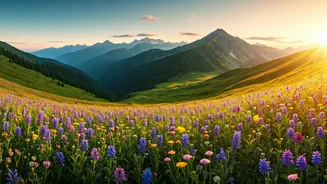
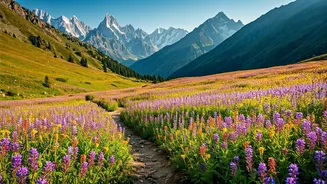
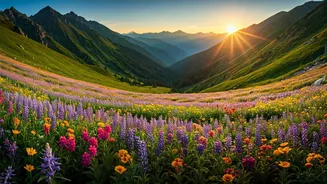
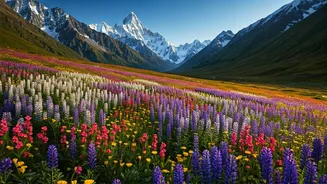
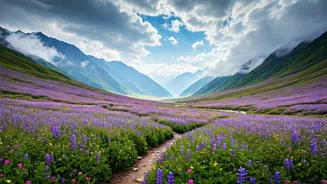
After a night in Ghangaria, you make the final, breathtaking walk into the Valley of Flowers itself. The path is a gentle, steady incline, covering about two miles to the entrance. Almost immediately, the landscape transforms. The dense forest gives way to a sprawling, impossibly green meadow, crisscrossed by glacial streams and carpeted with flowers. The sheer scale is staggering—a vast amphitheater of color framed by dramatic, cloud-shrouded cliffs. From July to early September, the valley is a living riot of color, home to hundreds of species of alpine flowers, many of which are found nowhere else on Earth. You’ll find patches of electric-blue Himalayan poppies, delicate primulas, striking cobra lilies, and vast swathes of pink, yellow, and white. The beauty isn't just in the spectacle, but in the details. Because the trail is gentle and the distances short, you have the luxury to stop, crouch down, and appreciate the intricate design of a single bloom. You’re not just passing through; you are a temporary resident in one of the world's most beautiful gardens.
Planning Your 'Slow' Adventure
This trek's accessibility doesn't mean you can show up unprepared. The key is planning for the conditions. The valley is only open from June to October, with the absolute peak bloom occurring during the monsoon months of July and August. This means you must be prepared for rain. A high-quality waterproof jacket, waterproof pants, and waterproof hiking boots are non-negotiable. Quick-drying layers are your best friend. While the trek is moderate, the altitude is real. Ghangaria sits at 10,000 feet and the valley rises from there. The slow pace is your best defense against altitude sickness, along with staying hydrated. There are no luxury hotels here; accommodation in Ghangaria is basic but comfortable, providing a warm bed and hearty food. Embrace the simplicity. This journey is about disconnecting from modern comforts to reconnect with something far more fundamental. Let go of the need to rush, and let the rhythm of the trail guide you.