





Beyond Tofu and Trail Mix
For decades, going vegetarian was framed primarily around ethics or general health. Meals were often carb-heavy, and while nutritious, they weren't necessarily designed to build muscle or fuel intense workouts. The new “fitness twist” changes that. This
modern approach isn't just about avoiding meat; it's about systematically engineering a plant-based diet to meet specific performance goals. It involves a deliberate focus on macronutrients—protein, carbohydrates, and fats—to optimize everything from muscle synthesis to energy levels and recovery. Think less like a passive dieter and more like a nutritional architect, using plant-based ingredients as your building blocks for a stronger, faster, and more resilient body. This shift reframes plant-based eating from a diet of exclusion to a strategy of precision.
Solving the Protein Puzzle
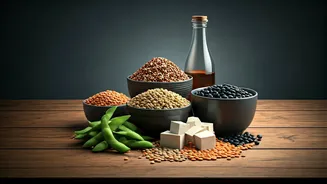
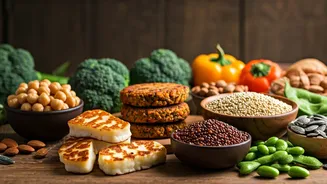
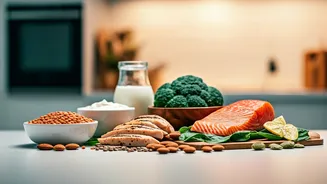
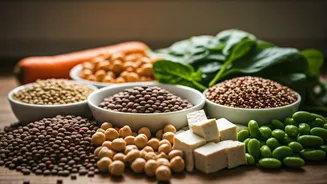
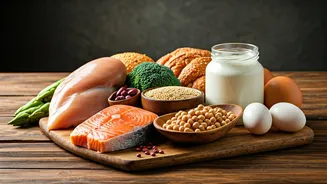
The cornerstone of any fitness-oriented diet is protein, and this is where plant-based plans have become incredibly sophisticated. The key is understanding and planning for “complete proteins,” which contain all nine essential amino acids your body can't produce on its own. While many animal products are complete proteins, most plant sources are not. The solution is twofold. First, there's food combining: pairing complementary foods like rice and beans, or whole-wheat bread and peanut butter, creates a complete protein profile over the course of a day. Second, many powerful, complete plant proteins are now pantry staples. Quinoa, tofu, tempeh, edamame, and seitan are packed with high-quality protein. Lentils, chickpeas, and a variety of seeds (like hemp and chia) are also excellent sources. A fitness-focused veg plan strategically incorporates these foods into every meal to ensure a steady supply of amino acids for muscle repair and growth.
Fueling for Performance and Recovery
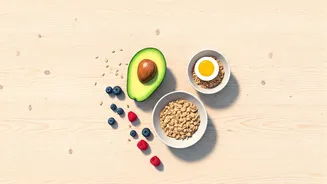
Protein may build the house, but carbohydrates provide the energy to do the work. A common mistake in poorly planned veg diets is either relying too heavily on refined carbs or, conversely, not eating enough quality carbs to fuel activity. A fitness-forward plan prioritizes complex carbohydrates that provide slow-release energy. Think oats, sweet potatoes, brown rice, and whole-grain breads. These are your primary fuel source for workouts. Post-workout, a combination of simple carbs (like a banana or a date) and protein helps replenish glycogen stores and kickstart muscle repair. Healthy fats are equally crucial for hormone production and overall health. Rather than being feared, sources like avocado, nuts, seeds, and olive oil are intentionally included to support everything from joint health to nutrient absorption. This balanced approach ensures you have the energy to perform and the nutrients to recover effectively.
The Micronutrient Checklist
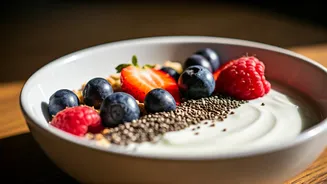
A well-designed veg fitness plan also pays close attention to micronutrients that can be harder to obtain without meat and dairy. Iron is vital for oxygen transport and energy. Plant-based sources (non-heme iron) are abundant in spinach, lentils, and fortified cereals, but they're best absorbed when consumed with a source of Vitamin C, like bell peppers or citrus fruits. Calcium, essential for bone health and muscle contraction, is found in fortified plant milks, tofu, and dark leafy greens like kale. Perhaps the most critical nutrient to monitor is Vitamin B12, which is essential for nerve function and is not naturally found in plant foods. For anyone following a strict plant-based diet, supplementation with B12 is almost always recommended by dietitians. Finally, getting enough Omega-3 fatty acids, important for reducing inflammation, can be achieved through flaxseeds, chia seeds, and walnuts.
Putting It All Together
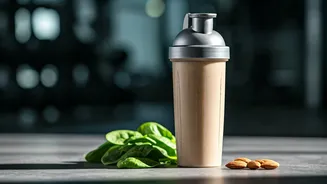
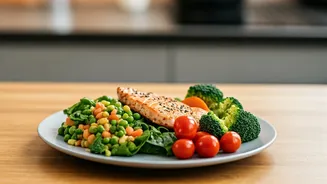
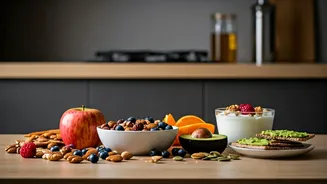
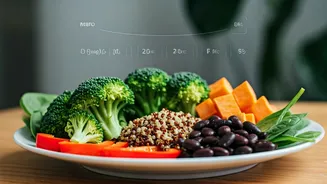
So, what does this look like on a plate? It’s about being intentional. A day might start with a protein-rich smoothie made with plant-based protein powder, spinach, and a banana. Lunch could be a large salad topped not just with veggies, but with a full cup of chickpeas, a sprinkle of hemp seeds, and a quinoa base. For dinner, you might have baked tofu with roasted sweet potatoes and broccoli. Snacks are also strategic, moving beyond empty calories to things like a handful of almonds, an apple with peanut butter, or a small bowl of edamame. The goal isn't to be perfect, but to be purposeful. By planning meals around these core principles—ample protein, smart carbs, healthy fats, and key micronutrients—you can build a vegetarian or vegan diet that doesn't just coexist with your fitness goals, but actively powers them.