




More Than Just a Vacation
First, let's define our terms. A nature escape isn't just any trip outdoors. While a classic family camping trip or a grueling week-long trek on the Appalachian Trail certainly qualifies, the trend has broadened to include a much wider range of experiences.
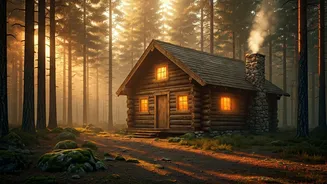
At its core, a nature escape is an intentional, immersive break from the high-stress, digitally saturated patterns of modern life. The goal is restoration, not just recreation. This can look like renting a minimalist cabin in the woods for a weekend, booking a luxurious tent at a “glamping” resort, or simply committing to a day of “forest bathing” (the Japanese practice of shinrin-yoku, or mindfully absorbing the woods) in a nearby state park. The key differentiator is the purpose: to disconnect from the usual pressures and reconnect with a slower, more natural rhythm.
The Post-Pandemic Push
Like so many cultural shifts, the nature escape trend was supercharged by the pandemic. After months of lockdowns and a dramatic increase in screen time for both work and socializing, the collective desire for open space and fresh air became a powerful force. Suddenly, the great outdoors felt less like a hobbyist’s domain and more like an essential service for mental and physical health. This coincided with the explosion of remote work. For the first time, millions of white-collar workers were untethered from their physical offices, giving them the flexibility to work from a cabin in the Catskills or a bungalow near a national park. This newfound freedom transformed the idea of an “escape” from a two-week-a-year luxury into a viable, repeatable part of one's lifestyle.
From Digital Detox to Cottagecore
The trend is also fueled by powerful cultural and aesthetic movements. The idea of a “digital detox”—deliberately unplugging from smartphones and social media—has moved from a niche concept to a mainstream wellness goal. Nature provides the perfect environment for such a detox, replacing the glow of a screen with the glow of a campfire. At the same time, the rise of “cottagecore” as a social media aesthetic has romanticized a simpler, more rustic way of life. Instagram and TikTok are filled with idealized images of cozy cabins, homegrown vegetables, and handmade bread, creating a powerful visual language for the fantasy of escaping urban life. While the reality is rarely as curated as the photos, this aesthetic has undeniably made the idea of a rural retreat more appealing to a younger, digitally native generation.
The Booming Business of Getting Away
Where there’s a trend, a market follows. An entire industry has sprung up to service the demand for accessible nature escapes. Companies like Getaway have built a national brand around their signature tiny cabins, which are strategically located within a few hours' drive of major U.S. cities and come equipped with a lockbox for your phone to encourage unplugging. Similarly, platforms like Hipcamp function as an “Airbnb for camping,” connecting landowners with people looking for unique places to pitch a tent or park a van. The luxury market has also boomed, with high-end glamping resorts offering the experience of sleeping under the stars without sacrificing amenities like a king-sized bed and a private chef. This commercialization has made the nature escape accessible to people with varying comfort levels and budgets, further cementing its place in the American travel landscape.