



Defining the ‘Soft Minimalist’ Look
When you hear “minimalism,” you might picture empty white rooms, sharp lines, and a sterile, almost museum-like quality. Soft minimalism is the cozy, approachable cousin of that aesthetic. It’s less about having nothing and more about having only what
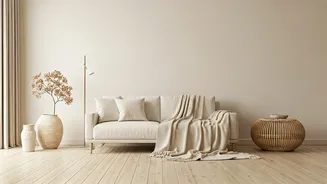
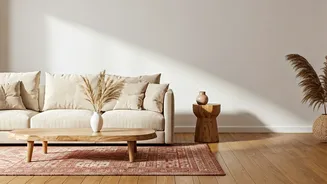
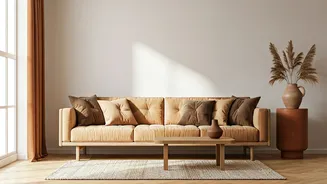
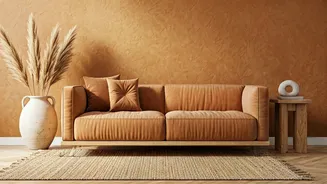
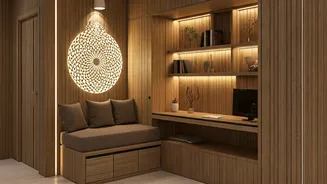
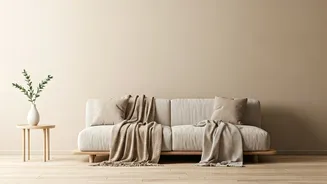
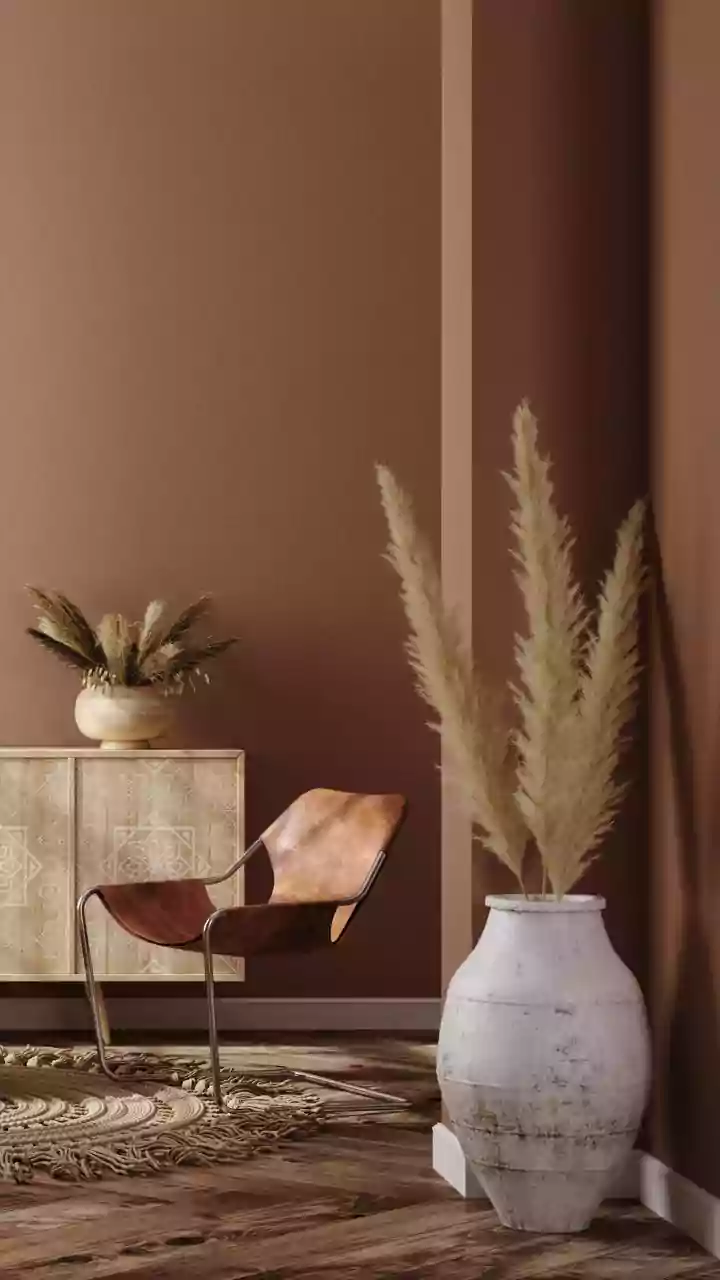
is beautiful, functional, and meaningful. The focus is on creating a sanctuary, not a showroom. The core principles are still there: decluttered spaces, intentionality, and a lack of excess. But the execution is warmer. Think curved furniture instead of hard angles, a palette of warm neutrals—like beige, cream, and terracotta—instead of just gray and white, and an abundance of natural textures. It’s a style that invites you to touch and feel, with materials like linen, raw silk, wool, light-toned wood, and rattan playing a starring role. It’s minimalism you can actually live in.
A Shift from Traditional Maximalism
This trend represents a notable aesthetic shift. For generations, many Indian homes have embraced a vibrant maximalism, rich with color, pattern, and ornamentation. Think rooms filled with intricately carved dark-wood furniture, jewel-toned silk upholstery, a multitude of brass artifacts, and walls painted in deep, saturated hues. This style is a beautiful reflection of India’s rich cultural and artistic heritage, celebrating abundance and intricate craftsmanship. Soft minimalism isn’t a rejection of this heritage, but rather a reinterpretation of it for a new era. Instead of filling a room with many small objects, the focus might be on a single, beautifully crafted statement piece. The energy is quieter, more serene, and arguably better suited for the increasingly compact and fast-paced nature of modern urban life.
Why Now? The Drivers of the Trend
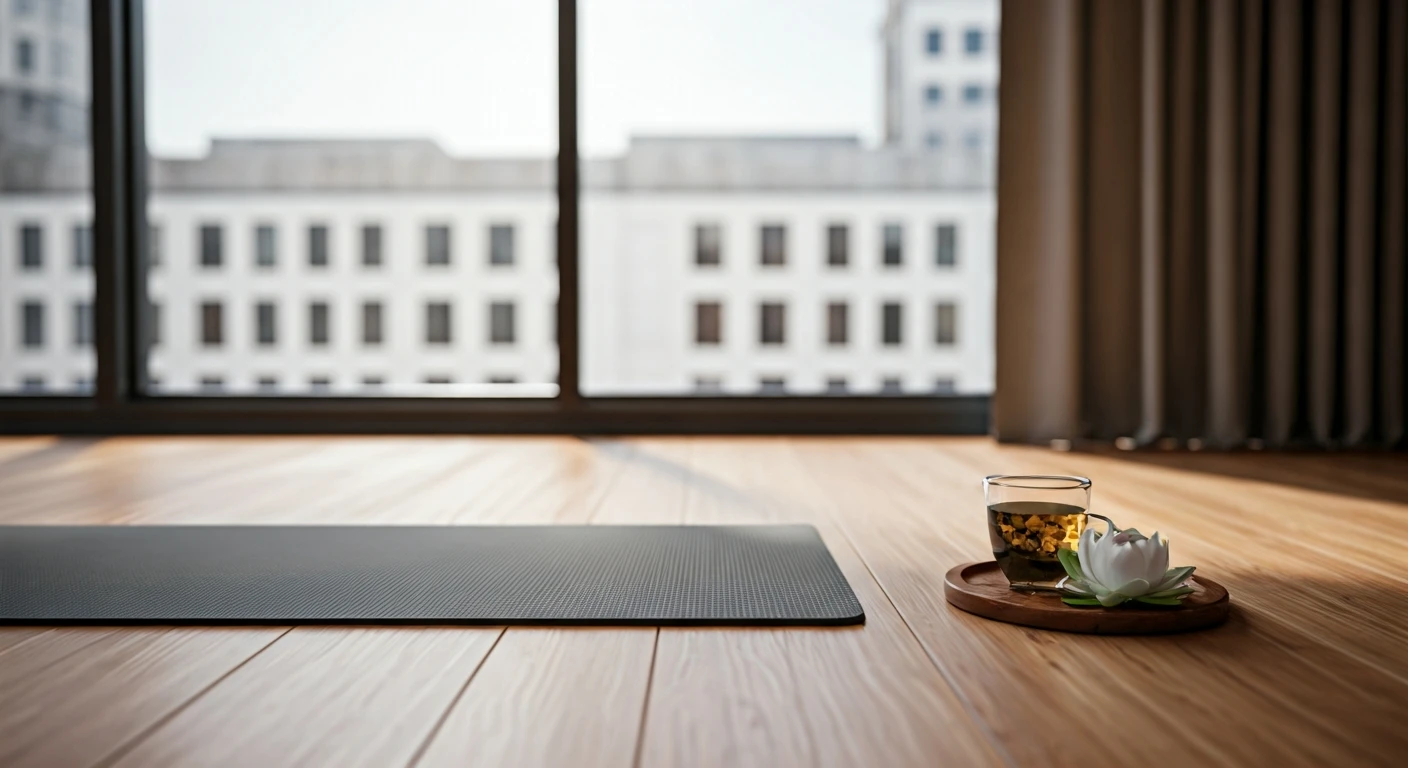
Several cultural and economic forces are fueling this aesthetic evolution. First, urbanization. As millions move to bustling cities like Mumbai, Delhi, and Bangalore, living spaces are shrinking. A minimalist approach is simply more practical in a smaller apartment, creating a feeling of spaciousness and calm in an otherwise chaotic environment. Second, global exposure. A younger, digitally connected generation of Indians has grown up with access to global trends on platforms like Pinterest and Instagram. They are drawing inspiration from Scandinavian coziness (Hygge) and Japanese simplicity (Wabi-sabi), and blending these ideas into a unique, local-first hybrid. Finally, there's a growing emphasis on wellness and mindful living. The home is increasingly seen as a personal sanctuary, a place to decompress from the pressures of the outside world. The calming, uncluttered nature of soft minimalism directly serves this modern need.
A Uniquely Indian Fusion
Crucially, this is not a simple copy-paste of a Western trend. The most exciting aspect of Indian soft minimalism is how it incorporates and elevates local craftsmanship. Instead of a generic piece of mass-produced furniture, you’ll find a handcrafted teak armchair with caning. Instead of a plain linen cushion, you’ll see one made of hand-spun Khadi fabric or adorned with a subtle block print. A stark white wall might be replaced with the gentle texture of lime-wash plaster (limewash), a traditional Indian technique. Brass, a staple in Indian homes, is used sparingly for a touch of warmth in light fixtures or cabinet hardware. It's a dialogue between global design principles and a deep appreciation for India's own rich material culture. The result is a style that feels both worldly and deeply rooted, modern yet timeless.