




The Ultimate Summer Survivor
Talk to any gardener in the South or Midwest, and they’ll tell you about the mid-August slump. Tomatoes are splitting, cucumbers have succumbed to wilt, and the once-vibrant squash plants look exhausted. But standing tall and defiant against the oppressive
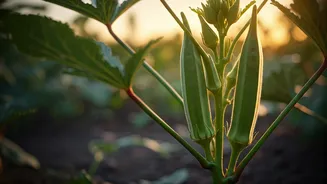
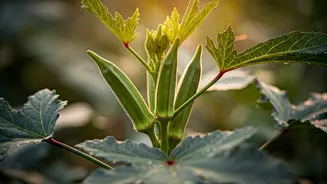
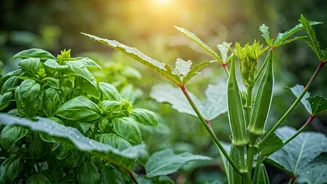
heat is the okra. This plant doesn’t just tolerate heat; it craves it. Native to Africa, okra (Abelmoschus esculentus) is genetically programmed to perform in conditions that would spell the end for less-hardy vegetables. This resilience is a primary reason for the deep affection gardeners have for it. When everything else in the garden seems to be giving up, okra hits its stride, offering a reliable, continuous harvest through the hottest days of summer and well into the fall. It's a low-maintenance crop that asks for little more than sunshine and warm soil, making it a perfect choice for both beginners seeking a guaranteed win and experienced growers wanting a dependable performer.
From Seed to Harvest in a Flash
The “fast-growing” part of the headline is no exaggeration. Once an okra plant begins to produce, it enters a phase of astonishingly rapid growth. Many popular varieties, like ‘Clemson Spineless’ or ‘Emerald,’ can go from seed to first harvest in just 50 to 65 days. But the real speed is in the daily production. An okra pod can grow from a tiny nub to a full-sized, ready-to-pick vegetable in just a couple of days. This rapid cycle means gardeners who stay on top of harvesting are rewarded with a near-constant supply. Forget waiting weeks between harvests; with a healthy row of okra, you can be picking every other day. This quick turnaround is deeply satisfying, providing a steady stream of fresh produce for the kitchen and a tangible, daily reward for your gardening efforts. It’s this prolific nature that transforms a few simple plants into a cornerstone of the summer vegetable patch.
Planting for Peak Performance
Success with okra starts with patience. It’s a warm-weather crop, and planting it in cold soil is a recipe for failure. The golden rule is to wait until the soil temperature is consistently above 65°F, typically a few weeks after the last frost date. Choose the sunniest spot in your garden—okra needs at least six to eight hours of direct sunlight per day to thrive. Sow the seeds about an inch deep and 12 to 18 inches apart to give the plants ample room to branch out. While okra is drought-tolerant once established, it appreciates consistent moisture, especially during germination and flowering. A layer of mulch can help retain soil moisture and suppress weeds. Okra isn’t a heavy feeder, but amending the soil with some compost before planting will give it a strong start. From there, it's mostly a waiting game until the summer heat kicks in and the plants begin their impressive growth spurt.
The Golden Rule of Harvesting
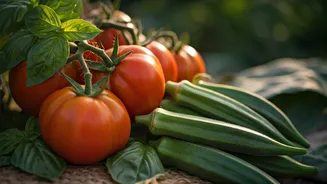
If you remember only one thing about growing okra, let it be this: harvest small and harvest often. This is the absolute key to both quality and quantity. The ideal okra pod is tender, not tough, and is typically found when it’s between 2 and 4 inches long. If you let a pod grow much larger, it quickly becomes woody, fibrous, and inedible. Checking your plants every day or two during peak season is essential. Use a sharp knife or pruning shears to cut the pod from the stalk, leaving a small stub. This regular harvesting does more than just ensure you get tender pods; it also signals the plant to produce even more flowers and, consequently, more pods. If you go on vacation and miss a few days, you’ll likely return to find giant, tough pods. Cut them off anyway. Leaving them on the plant will signal it to stop producing, as its biological goal—creating mature seeds—has been met.
Beyond the Fry Pan
The mucilage that gives okra its sometimes-maligned “slimy” reputation is also what makes it a fantastic thickener for gumbo and stews. But for those who aren’t fans of that texture, modern cooking methods offer a delicious escape. The secret is high, dry heat. When you grill, roast, or air-fry okra, the sliminess disappears, replaced by a delightfully crisp exterior and a tender, flavorful interior. Simply toss whole pods in a bit of olive oil, salt, and pepper, and roast at 425°F until lightly browned. Or, slice them lengthwise and toss them on a hot grill for a few minutes. Another fantastic method is pickling. Pickled okra is a crunchy, tangy Southern delicacy that’s perfect alongside a sandwich or as part of a relish tray. Exploring these simple culinary techniques reveals okra’s true versatility and gives gardeners even more reason to love the abundance their plants provide.