




The New Travel Mandate
For generations, a “real” vacation meant flying somewhere distant and exotic. But for many young Americans, that model feels increasingly out of step with reality. Gen Z, the first generation to grow up with climate change as a constant, tangible crisis,
is grappling with how to balance wanderlust with responsibility. A 2023 survey noted that a significant portion of Gen Z and millennial travelers are willing to pay more for sustainable options. This isn't just about offsetting carbon credits after the fact; it's about fundamentally rethinking the nature of travel itself. The result is a move away from the carbon-heavy, long-haul flight as the default centerpiece of a vacation. Instead, the focus shifts to minimizing impact from the outset. This eco-consciousness isn't a niche concern; it’s becoming a core part of the decision-making process for a generation that views its choices through a lens of global impact.
But Make It Quick
The “green” part of the equation is only half the story. The demand for “quick” getaways is a direct response to another defining Gen Z experience: burnout. Between economic uncertainty, digital saturation, and the pressures of a 24/7 work culture, the idea of waiting an entire year for a single two-week vacation feels unsustainable. Micro-vacations, or trips lasting two to four days, have become the preferred method for recharging. They offer a more frequent and accessible release valve from daily stress. This trend favors proximity. Why spend eight hours in airports for a three-day trip? The logic of the quick getaway pushes travelers to look closer to home, exploring regional destinations that can be reached in a few hours by car or, increasingly, by train. It’s a solution born of necessity, offering a mental health reset without the logistical and financial overhead of a massive trip.
The Train-Cation Escape
One of the most direct ways to blend speed and sustainability is by embracing America's railways. While not as extensive as Europe's network, Amtrak and regional rail services offer a compelling alternative to short-haul flights or long, traffic-filled drives. A train-cation turns the journey itself into part of the experience. Instead of the hurry-up-and-wait stress of the airport, you get spacious seats, the freedom to walk around, and a scenic view of the country scrolling by. A weekend trip from New York City to the Hudson Valley, or from Los Angeles to Santa Barbara, becomes a relaxing, low-carbon adventure. It’s an old-school mode of transport being rediscovered by a new generation looking for a slower, more deliberate way to travel.
The Agri-Tourism Retreat
For those seeking a deeper connection to nature and sustainability, agri-tourism is booming. This isn't just about staying in a rustic farmhouse; it’s about participating in a system. These getaways range from stays at working farms and vineyards to educational workshops on regenerative agriculture. For a generation raised on screens, the appeal is tactile and real. It’s about understanding where food comes from, getting your hands dirty, and experiencing a different rhythm of life. Destinations like farm-to-table inns, U-pick orchards, and even ranches offering guest stays provide an immersive escape that’s both restorative and educational. It’s a vacation that feels productive, aligning leisure time with core values around food systems and environmental health.
The Urban Nature Preserve
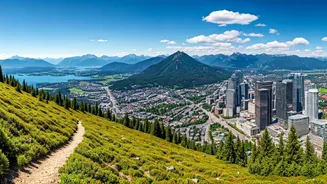
A green getaway doesn't always require leaving the city limits entirely. Many travelers are discovering the vast natural resources hidden in and around America's major metropolitan areas. This is the art of the hyper-local adventure. Think exploring the far reaches of Golden Gate Park in San Francisco, kayaking on the Chicago River, or hiking the extensive trail networks just outside of Denver or Portland. These trips often require no flights and minimal driving, relying instead on public transit or bike shares. By treating their own regional parks and nature preserves as destinations, Gen Z is proving that a meaningful escape doesn't have to be far-flung. It's about finding wildness and tranquility close to home, making a restorative nature experience accessible for a simple weekend.