



1. Turn Mango Peels into Tangy Chutney
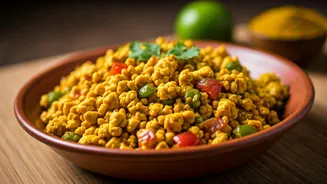
In America, the mango experience often ends once the sweet flesh is gone, leaving the skin and pit for the compost bin. But in India, that's just the halfway point. The peels, which are full of flavor and nutrients, are transformed into 'aam ke chhilke
ki chutney.' The process is simple: the peels are sautéed with garlic, ginger, green chilies, and a handful of spices like turmeric and mustard seeds. The mixture is then blended into a thick, pungent, and utterly delicious relish that pairs perfectly with rice, flatbreads, or as a condiment for savory snacks. It’s a masterful way to capture every last bit of the mango’s essence, creating a spicy-sour condiment that’s a testament to culinary ingenuity.
2. Transform Watermelon Rinds into Curries
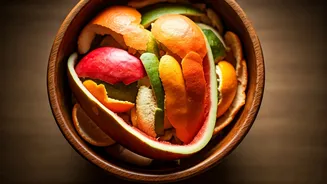
After a hot summer day, nothing beats fresh watermelon. But what about the rind? Instead of tossing it, Indian cooks often use the white part of the rind as a vegetable. Stripped of its tough green outer layer, the crisp rind has a texture similar to a cucumber or squash. It’s commonly used to make a 'sabzi' (a dry or semi-dry curry), where it's diced and cooked with onions, tomatoes, and classic Indian spices like cumin, coriander, and turmeric. Another popular use is for pickles ('achaar') or a sweet preserve called 'murabba.' The rind absorbs flavors beautifully, providing a hearty, hydrating, and surprisingly flavorful addition to any meal, proving that the least-expected parts of a fruit can be the most versatile.
3. Utilize Jackfruit Seeds as a Meaty Vegetable
While unripe jackfruit is gaining popularity in the U.S. as a meat substitute, the large, starchy seeds found inside the ripe fruit are often overlooked. In South India, these seeds are a treasured ingredient. Once boiled or roasted, their tough outer skin is removed, revealing a firm, potato-like interior with a nutty, chestnut-like flavor. These seeds are a protein-rich powerhouse and are used in a variety of dishes. They can be added to lentil curries ('sambar'), stir-fried with coconut and spices, or simply roasted with a pinch of salt for a nutritious snack. Using the seeds ensures that absolutely nothing from this giant fruit goes to waste.
4. Harness Citrus Peels for Pickles and Flavor
The fragrant oils in citrus peels are too valuable to waste. Across India, lemon and orange peels are key ingredients in some of the most flavorful pickles. The peels are chopped and cured in salt, chili powder, and spices, fermenting over time into a complex, intensely flavored condiment that can elevate a simple bowl of yogurt and rice into a feast for the senses. Beyond pickles, dried orange peel powder is often used to add a floral, citrusy note to desserts, savory rice dishes, and even face masks. It’s a classic example of using a byproduct not just to avoid waste, but to actively create a new and potent flavor profile.
5. Cook with Banana Stems and Flowers
The banana plant is a gift that keeps on giving. While the fruit is globally famous, in many parts of India, particularly in the south and east, the inner stem ('vazhaithandu') and the flower ('vazhaipoo') are considered delicacies. The fibrous outer layers of the stem are removed to reveal a crisp, tender core that’s chopped and used in stir-fries, curries, and lentil dishes. It has a mild taste and a satisfying crunch. The banana flower, a large, purple teardrop-shaped bloom, is painstakingly prepared by removing the tiny florets inside, which are then used to make fritters, cutlets, or curries. Both are celebrated for their texture and health benefits, embodying the philosophy of using every part of the plant.