








The Science of Sunlight
The most obvious benefit of large windows is the sheer volume of natural light they invite in. This isn’t just an aesthetic preference; it’s a biological necessity. Our bodies are hardwired to respond to the sun. Exposure to natural light helps regulate
our circadian rhythms—the internal clock that governs our sleep-wake cycles. A well-lit apartment can help you feel more alert and energized during the day and sleep more soundly at night. Beyond sleep, sunlight is a proven mood booster. It prompts the brain to produce more serotonin, a hormone associated with feelings of well-being and happiness. This is why a bright, sunny room can feel so uplifting, helping to combat the lethargy and gloom that can settle in during long, dark winters. While they’re no substitute for getting outside, expansive windows act as a crucial daily supplement of light, fundamentally improving the quality of time spent indoors.
Erasing the Indoor-Outdoor Barrier
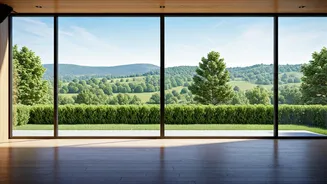
In the dense, often disconnected environment of a city, a large window can serve as a vital link to the natural world. This concept, known as biophilia, is the innate human tendency to seek connections with nature. A floor-to-ceiling window doesn’t just let in light; it frames a view, effectively bringing the outside in. Whether it’s a treetop, a patch of sky, or a distant park, this visual connection can significantly reduce stress and mental fatigue. Studies in environmental psychology have shown that even a brief look at a natural scene can lower blood pressure and reduce cortisol levels. In an apartment, where direct access to a yard or garden is a rarity, windows become the primary vehicle for this restorative connection. They break down the rigid separation between your living space and the world beyond, replacing a solid wall with a dynamic, living panorama.
Creating the Illusion of Space
Apartment living often means making the most of a limited footprint. Large windows are one of the most effective tools in a designer’s arsenal for making a small room feel significantly larger. The physics are simple: an uninterrupted view draws the eye outward, beyond the physical confines of the room. This creates a sense of depth and openness that a solid wall simply cannot achieve. The abundant light also plays a role, illuminating corners and bouncing off surfaces to make the entire volume of the room feel brighter and more expansive. Unlike a mirror, which can sometimes feel like a design trick, a large window provides a genuine expansion of your perceived living area. It borrows scenery and sky, adding square footage to your experience, if not to your floor plan.
A Frame for the World
A window is more than just a sheet of glass; it’s a frame for a constantly changing work of art. It captures the first light of dawn, the drama of a passing storm, the slow drift of clouds, and the twinkling lights of the city at night. This dynamic quality provides a subtle but constant source of engagement that combats the static, sterile feeling some indoor environments can develop. It connects you to the rhythm of the day and the pulse of your neighborhood. You become a quiet observer of the world outside—the changing seasons, the flow of people on the street, the life of the city. This passive connection fosters a sense of place and belonging. Your apartment ceases to be an isolated box and becomes a comfortable perch from which to watch the world, transforming it from a mere dwelling into a true breathing space.