



The Unraveling of Performative Authenticity
Remember the aesthetic? A carousel post filled with ten slightly-off photos: a blurry selfie, a half-eaten plate of pasta, a grainy shot of a city street at night. For a time, this was the pinnacle of online cool—a visual shorthand for “I’m too busy living
life to take a perfect picture.” It was meant to feel raw, uncurated, and authentic. The problem is, it became a uniform. This manufactured carelessness, designed to counteract the hyper-polished influencer look of the 2010s, started to feel just as performative. When everyone is trying to look like they’re not trying, it becomes an effort in itself. The endless scroll of intentionally ‘mid’ photos has led to a peculiar kind of digital fatigue. The very thing that was supposed to be a break from perfectionism became another standard to live up to, leaving many feeling like their real memories were being flattened into a trendy, disposable format.
The Quiet Allure of Pen and Paper
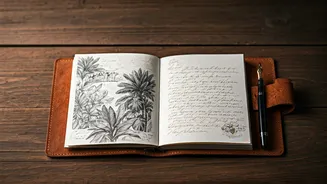
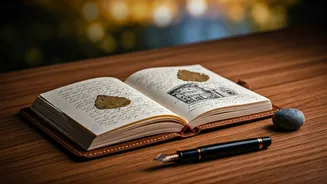
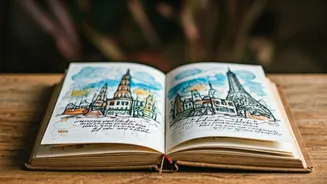
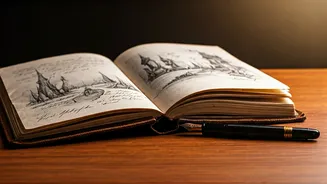
Enter the travel journal. It’s not a new concept—explorers and artists have kept them for centuries—but its resurgence speaks volumes about our current moment. Unlike a photo posted online, a journal is inherently private. It’s a space for unfiltered thoughts, frustrations, and moments of quiet joy that don’t need to be packaged for public consumption. The act of writing forces a different kind of engagement with your surroundings. You can’t just snap a picture and move on. You have to pause, observe, and find the words to describe the scent of a market, the color of the sunset, or the feeling of being wonderfully lost. This deliberate, slower process of documentation is a powerful antidote to the fleeting, fast-paced nature of digital life. It’s about creating a personal artifact, not just generating content. The focus shifts from proving you were there to truly remembering what it felt like.
Redefining the Modern Travel Log
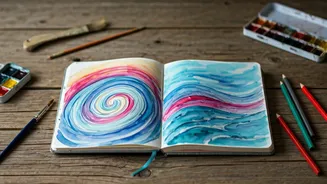
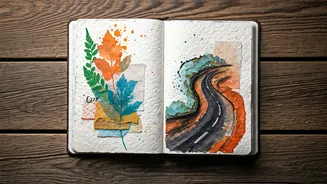
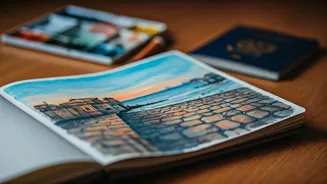
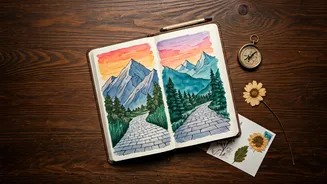
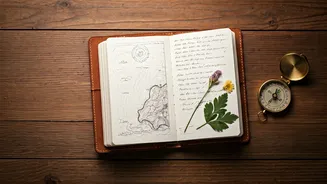
Today’s travel journal is rarely just a wall of text. It has evolved into a multi-sensory scrapbook, a physical container for the experience itself. Think of a simple notebook transformed with ticket stubs from a train journey, a pressed flower from a hike, a coaster from a memorable pub, or a quick, imperfect sketch of a landmark. Some travelers are adding small watercolor paintings or using Instax or Polaroid photos, which bring a tangible, one-of-a-kind quality that a phone picture lacks. This practice turns the journal into a richer, more evocative keepsake. Flipping through its pages years later, you don’t just see a photo—you can feel the crinkle of a museum ticket or remember the conversation that happened over that specific coffee cup stain. It’s a collection of textures and tangible moments, grounding the memory in the physical world.
Crafting Memories, Not Just Content
Ultimately, this shift is about reclaiming ownership of our memories. Social media has a way of turning personal experiences into public-facing narratives. We edit our trips for an audience, selecting the moments that will perform best. But a travel journal is for an audience of one: your future self. It allows for nuance, messiness, and honesty. You can write about the disappointing meal, the day you felt homesick, or the silly inside joke that wouldn't make sense to anyone else. By stepping away from the need to create a perfect-looking digital archive, travelers are finding a more meaningful way to connect with their journeys. They are choosing to build a rich, personal history instead of a polished, public-facing gallery. The goal is no longer to broadcast an experience, but to truly savor and preserve it.