







An Island Built on Faith
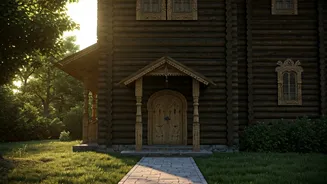
To understand Majuli is to understand the *sattra*. These are not just monasteries but vibrant cultural and spiritual centers of Vaishnavism, a tradition of Hinduism. Established in the 15th century by the saint Srimanta Sankardeva, the sattras became
the guardians of the island's unique artistic heritage. For centuries, they have been the living libraries for everything from religious philosophy to performance art. Life on the island, which is one of the world's largest river islands, revolves around these institutions. Homes are built on bamboo stilts to withstand the river's annual floods, and the air is often filled with the sounds of chanting, cymbals, or the carving of wood—a testament to a culture deeply intertwined with its environment.
The Living Arts
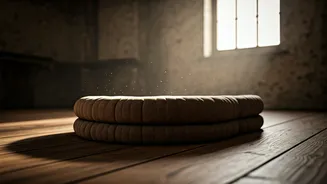
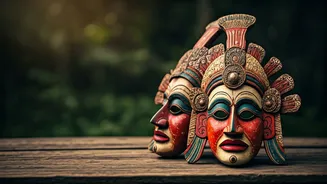
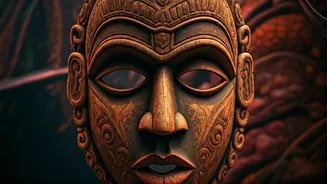
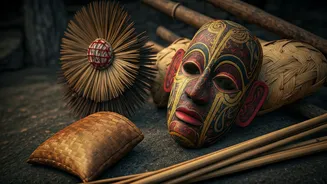
Majuli’s most famous art forms are not static. The island is renowned for its *mukha bhora*, the art of mask-making. These are not simple decorative items; they are elaborate, often colossal character masks of gods, demons, and animals, worn during the *bhaona*, a traditional religious drama. Artisans craft these expressive faces from bamboo, cloth, and a special clay mixture, a technique passed down through generations. Equally vital is Sattriya, a classical dance form that originated in the sattras. It combines storytelling, intricate footwork, and expressive gestures to narrate Hindu myths. Beyond performance, even the island's pottery is unique. Made by hand without a potter's wheel, the craft is a testament to working with local materials and time-honored methods.
A World Under Threat
The very river that gives Majuli its life is also its greatest enemy. Aggressive erosion, intensified by climate change and upstream damming, has been relentlessly shrinking the island. Entire villages and sattras have been washed away, taking with them homes, farmlands, and irreplaceable cultural history. This environmental crisis is compounded by a modern economic one. The lure of stable jobs and urban life in mainland cities like Guwahati pulls young people away from their agricultural and artistic roots. As the older generation of master artisans ages, there is a palpable fear that there will be no one left to inherit their sacred knowledge. Why spend months crafting a single mask when a desk job promises a steady paycheck?
Fighting Back with Tradition
But Majuli is not a tragedy; it's a story of resilience. The islanders are not passively watching their culture disappear. Instead, they are finding innovative ways to preserve it. The sattras have opened their doors, not just for worship, but for cultural tourism, allowing visitors to witness the creation of masks and the rigorous training for Sattriya dance. This creates a new economic incentive, showing the younger generation that their heritage has tangible value. Artisans like Hem Chandra Goswami have become global ambassadors, using social media and international workshops to bring Majuli’s art to a wider audience. They are turning modernization from a threat into a tool. By documenting their processes, engaging with the outside world, and creating new platforms for their work, they are ensuring that the spirit of Majuli continues to thrive, even as its shores recede.