






Beyond the Museum and Monument
So, what exactly is 'cultural travel'? If your first thought is a stuffy museum or a guided tour of ancient ruins, it’s time for a mental update. While historical sites are certainly part of the equation, the modern definition is far broader and more
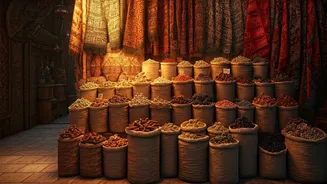
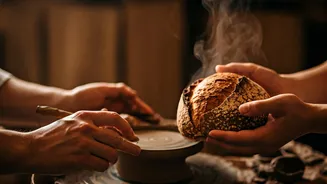
active. Today, cultural travel is about immersion. It’s the difference between eating at a tourist-trap restaurant and taking a cooking class in a local’s home. It’s choosing a pottery workshop with a master artisan over simply buying a souvenir. This approach prioritizes experiences that foster a genuine understanding of a destination’s way of life, its people, and its traditions. It’s less about consumption and more about participation. Travelers are seeking to engage with the living, breathing culture of a place—its music, its crafts, its culinary secrets, and its daily rhythms—rather than just observing it from behind a velvet rope.
Why the Sudden Surge in Authenticity?
Several powerful forces are fueling this trend. The first is a direct reaction to the hyper-curated, picture-perfect world of social media. After years of seeing the same filtered photos from the same iconic spots, many travelers are experiencing a kind of 'Instagram fatigue.' They are actively seeking out unique, un-shareable moments that can’t be easily replicated. The goal is personal enrichment, not just a polished post. The pandemic also played a significant role. Extended periods of isolation left people craving genuine human connection. The sterile, transactional nature of mass tourism feels less appealing than ever. Instead, travelers want to form real bonds, share stories, and feel like they are part of a community, even if just for a few days. Finally, there's a growing awareness of the impact of travel. More people are looking for sustainable options that directly support local economies, and cultural tourism—which often involves small, independent operators—fits the bill perfectly.
From Passive Observer to Active Participant
The key shift is from a passive to an active mindset. The cultural traveler isn't content to just watch. For example, instead of merely watching a tango show in Buenos Aires, they’re signing up for a beginner’s class. In Oaxaca, Mexico, they’re not just eating mole; they’re heading to a local market with a chef to source ingredients before learning to grind spices and prepare the complex sauce themselves. In Japan, they might bypass the big city bustle for a stay in a rural village, learning the art of traditional papermaking from a family that has practiced it for generations. Here in the U.S., travelers are exploring the Gullah Geechee Cultural Heritage Corridor along the Atlantic coast to learn about the unique Creole culture through storytelling, craft workshops, and food tours. This hands-on approach transforms a trip from a simple sightseeing excursion into a memorable, educational, and deeply personal journey.
How the Travel Industry Is Adapting
The travel industry, from giant booking platforms to boutique tour operators, has taken notice. Companies are increasingly highlighting 'experiences' and 'local-led tours' over standard hotel-and-flight packages. Platforms like Airbnb have built entire sections of their business around offering unique experiences hosted by locals, ranging from street art tours to coffee tasting on a family farm. Major travel reports consistently show that travelers, particularly Millennials and Gen Z, are willing to spend more on activities that offer cultural depth. This has prompted destinations to invest in preserving and promoting their unique cultural assets. They're realizing that their most valuable commodity isn't just a beautiful beach or a famous building, but the intangible heritage—the skills, stories, and traditions—that makes their corner of the world unlike any other.