






Beyond 'Organic': Defining the Food Footprint
For years, 'organic' was the gold standard for conscious consumers. But the conversation has evolved. A food’s “footprint” is a much broader concept, referring to the total environmental impact of producing it and getting it to your plate. This includes
several key factors: carbon emissions from farming and transportation, the amount of water and land required, the pollution generated (like fertilizer runoff), and the waste created by packaging. For example, two avocados might both be organic, but if one was flown in from Peru and the other was grown a few states over, their footprints are dramatically different. This more holistic view is what a new generation of shoppers is beginning to use as their guide, moving beyond single-issue labels to consider the full life cycle of their food.
The Rise of the 'Climatarian' Diet
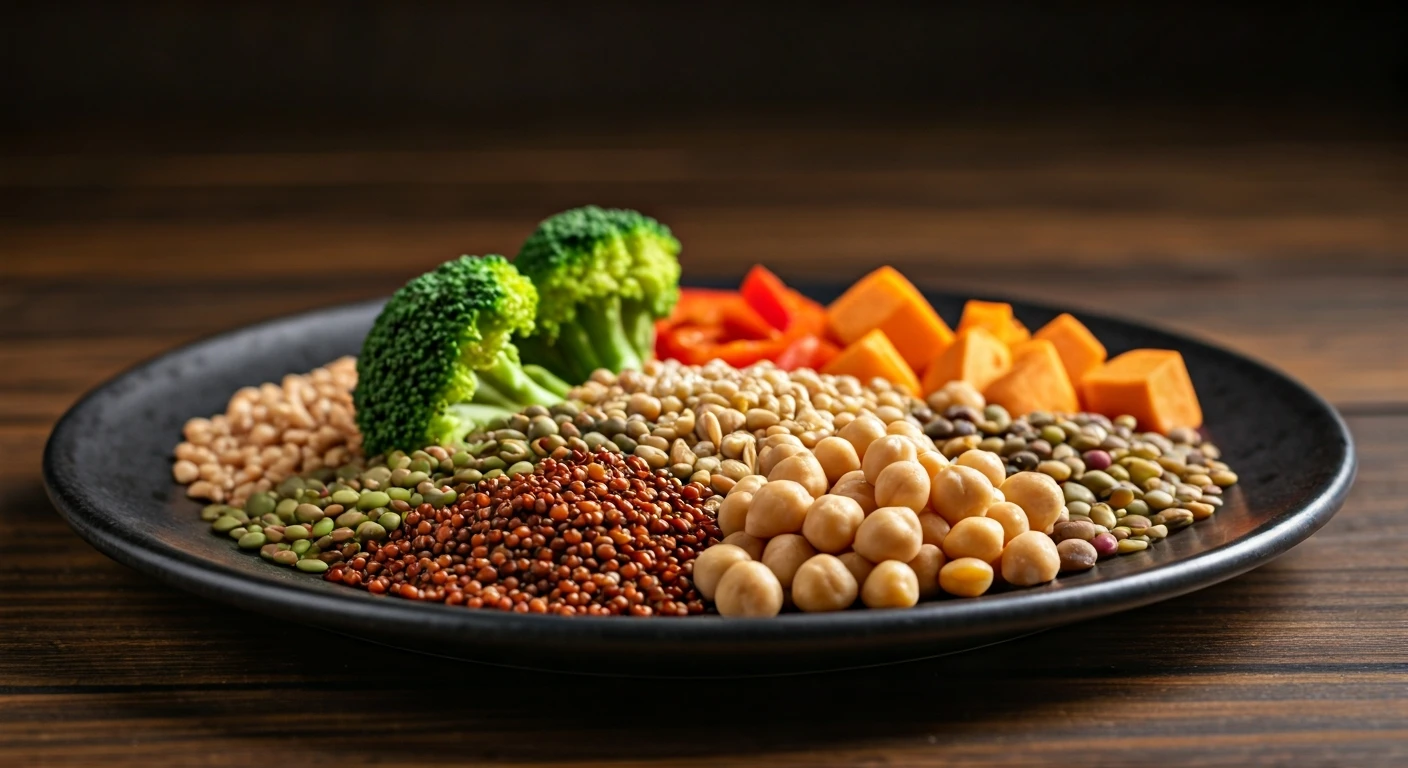
So, why the sudden focus on food’s climate impact? It’s a convergence of factors. Heightened awareness of climate change has many Americans looking for areas where they can make a personal difference, and diet is a powerful one. Food systems are responsible for about a third of global greenhouse gas emissions. But it's not just about altruism. Consumers are also connecting the dots between a healthy planet and their own personal health. This has given rise to the “climatarian”—someone who makes dietary choices with the primary goal of lowering their carbon footprint. This isn't as restrictive as veganism or vegetarianism. A climatarian might simply choose chicken over beef (since beef production has a much larger footprint), opt for lentils over lamb, or prioritize local, seasonal produce to cut down on “food miles.” It’s a flexible, impact-focused approach that feels more accessible to many.
From Plant-Based Boom to Low-Waste Hacks
The most visible sign of this trend is the explosion of plant-based alternatives. Oat milk, Impossible Burgers, and other non-animal products aren’t just for vegans anymore; they’re mainstream items chosen by millions of omnivores looking to reduce their meat and dairy consumption. But the trend goes deeper. Shoppers are increasingly interested in brands that tackle food waste, a huge contributor to emissions. This includes buying “ugly” produce that would otherwise be discarded, or supporting companies that “upcycle” food byproducts—like turning leftover oat pulp from milk production into flour. Another growing consideration is packaging. Consumers are showing a preference for products with minimal, recyclable, or compostable packaging, pushing back against the culture of single-use plastics that dominates many supermarket aisles.
Is This a Fad or a Fundamental Shift?
While it may feel like a niche trend popular in coastal cities, the data suggests it's a durable and growing movement. A 2021 study from the NYU Stern Center for Sustainable Business found that products marketed on sustainability grew over seven times faster than their conventional counterparts. Major food corporations are taking note, investing heavily in regenerative agriculture practices, setting ambitious emissions reduction targets, and acquiring smaller, eco-conscious brands. When giants like General Mills and Danone pivot their messaging and supply chains toward sustainability, it’s a clear signal that this is more than a fleeting fad. They see that transparency and environmental stewardship are becoming key drivers of brand loyalty, especially among Millennial and Gen Z shoppers who are voting with their wallets for a food system they can believe in.