
1. The Southern Wave: Beyond Naan
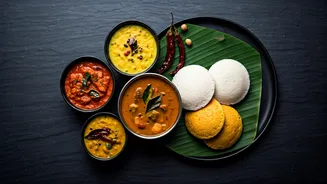
If your experience with Indian bread is limited to the puffy, oven-blistered naan, a trip to the south of India is in order—no passport required. South Indian cuisine, from states like Tamil Nadu, Kerala, and Karnataka, is finally getting its due. The
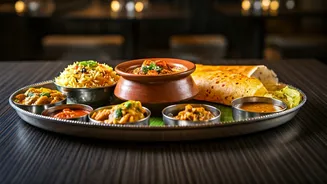
stars are lighter, often fermented, and naturally gluten-free. Think of the dosa, a massive, crispy crepe made from a batter of rice and lentils, served with savory coconut chutney and sambar (a lentil-based vegetable stew). Or idli, the soft, steamed rice cakes that are a breakfast staple. These dishes are built on tangy, spicy, and coconut-forward flavors that feel worlds away from the heavy, cream-based curries many Americans associate with Indian food. It's a revelation in texture and taste that's converting skeptics one delicious bite at a time.
2. Coastal Cool: The Flavors of Goa
Located on India's west coast, Goa’s history as a Portuguese colony for over 450 years created a one-of-a-kind culinary fusion. This is where you'll find the *real* vindaloo—not the one-note, volcanically hot dish from your local takeout, but a complex, tangy pork curry marinated in garlic, vinegar, and Kashmiri chiles. Goan cuisine is a masterclass in balancing sour, spicy, and sweet. With its abundant coastline, seafood is king. Look for fish curries enriched with coconut milk and soured with kokum, a local fruit, or prawn balchão, a fiery and pungent pickle-like dish. It’s the kind of food that’s bright, bold, and pairs perfectly with a cold beer on a hot day.
3. Eastern Promises: The Subtlety of Bengal
Head east to West Bengal and you’ll find a cuisine defined by its rivers and its love for mustard. Bengali food is celebrated for its delicate balance and nuanced flavors, particularly in its fresh-water fish preparations. The hallmark is the sharp, pungent kick of mustard oil and mustard paste (kashundi). A classic dish is *shorshe ilish*, hilsa fish steamed in a potent mustard-green chili gravy. But it's not all spice. Bengalis have a legendary sweet tooth, and their sweets, or *mishti*, like sandesh (fresh cheese fudge) and rasgulla (syrup-soaked cheese balls), are an art form. This region offers a lighter, more aromatic profile that challenges the notion that all Indian food is heavy.
4. From the Mountains: The Richness of Kashmir
Nestled in the Himalayas, Kashmiri cuisine is hearty and warming, designed for cold mountain nights. Influenced by Persian and Central Asian traditions, it’s heavily reliant on mutton and features aromatic spices like fennel, cardamom, and saffron. The most iconic dish is Rogan Josh, a slow-cooked lamb curry with a brilliant red hue derived from dried Kashmiri chiles and cockscomb flower extract, not from overpowering heat. The pinnacle of Kashmiri dining is the *wazwan*, a multi-course feast that can include dozens of dishes, showcasing the full spectrum of their culinary artistry. It's a meat-lover's paradise defined by slow cooking and fragrant, whole spices.
5. The 'Unapologetic' Movement
Perhaps the biggest shift isn't just about regions, but attitude. A new generation of Indian chefs in America, like Chintan Pandya of New York’s Dhamaka and Semma, are championing what they call 'unapologetic' Indian food. This means they are refusing to tone down the spice, funk, or regional specificity to cater to a presumed Western palate. They're serving goat brain, celebrating fermented flavors, and putting hyper-regional village dishes on Michelin-starred menus. This movement is empowering diners to experience the true, unadulterated tastes of India, trusting that their palates are ready for the adventure. It’s a declaration that Indian food doesn't need to be 'Americanized' to be loved; it just needs to be discovered in its full glory.