






The Rise of the ‘Pet Parent’
For generations in India, dogs were often seen as functional—guardians of the home, fed table scraps and leftovers. But that paradigm is rapidly changing, especially in urban centers like Mumbai, Bangalore, and Delhi. A new generation of pet owners, often young
professionals, double-income couples, or empty-nesters, are redefining the role of animals in the home. They aren't just pet owners; they are “pet parents.” This crucial shift in language and mindset is the engine driving the premium pet food boom. Influenced by Western media and global trends, these consumers view their pets as surrogate children, deserving of the same care, comfort, and, most importantly, nutrition they would give any family member. The pandemic accelerated this trend, with a surge in pet adoptions for companionship during lockdowns, bringing millions of new, upwardly mobile consumers into the pet care market for the first time.
From Table Scraps to Targeted Nutrition
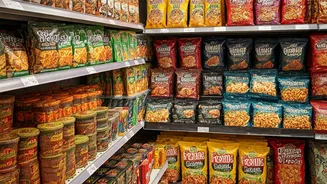
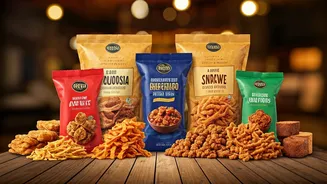
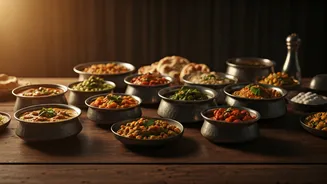
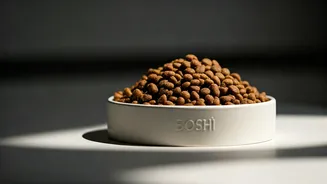
The “upgrade” in Indian pet bowls is dramatic. The traditional diet of roti (flatbread), rice, milk, or curd is being replaced by scientifically formulated products that would look familiar to any American pet owner. The new aisles—both physical and digital—are stocked with breed-specific kibble, puppy-formulated wet food, and supplements for joint health and coat sheen. International giants like Mars Petcare (owner of Royal Canin and Pedigree) and Nestlé Purina have been in India for years, but they are now pushing their premium lines harder than ever. They’re competing with a wave of nimble, direct-to-consumer Indian startups. Brands like Heads Up For Tails, which started as a small local boutique and is now a major national player, offer everything from freshly cooked meals delivered to your door to gourmet jerky treats. This isn’t just about replacing old food; it's about introducing a whole new vocabulary of pet wellness centered on ingredients, sourcing, and health benefits.
A Market Unleashed
The numbers tell a story of explosive growth. India's pet food market, valued at over $400 million, is projected to grow at a compound annual growth rate of over 15% in the coming years, making it one of the fastest-growing pet markets in the world. While that’s still a fraction of the $50 billion U.S. market, the potential is staggering. Currently, only a small percentage of India’s estimated 30 million pets are fed packaged food, leaving a massive runway for growth. Venture capitalists are taking notice, pouring millions into Indian pet care startups. E-commerce platforms like Amazon India and specialized pet-supply sites have been critical, allowing brands to bypass traditional distribution hurdles and reach affluent customers directly in cities and, increasingly, in smaller towns as well.
Challenges on the Horizon
Despite the boom, the path to dominating India's pet food market isn't without its obstacles. India remains a highly price-sensitive country, and convincing a new consumer to switch from free table scraps to a $50 bag of premium kibble is a significant marketing challenge. Many brands are tackling this with smaller, more affordable package sizes to encourage trial. Furthermore, the knowledge gap is a real hurdle. A large part of the marketing effort is educational, teaching first-time pet parents *why* a balanced, formulated diet is superior to homemade food. Companies are investing heavily in digital content, veterinarian partnerships, and social media campaigns to build awareness and trust. Successfully navigating these cultural and economic nuances will separate the market leaders from the rest of the pack.