
The Old Definition of Luxury
Not long ago, the pinnacle of Indian fine dining was often a paradox. A meal at a five-star hotel in Mumbai or Delhi might feature Scottish salmon, Chilean sea bass, and asparagus flown in from Peru. The goal was to signal international sophistication,
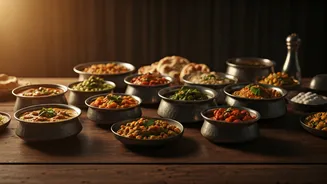
aligning with a global standard of luxury that measured itself in food miles. The underlying message was subtle but clear: the best ingredients came from somewhere else. Local produce was often relegated to home cooking or street food—delicious, but not considered 'premium.' Even the Indian food that made it to these temples of gastronomy was usually a greatest-hits collection of Mughlai and Punjabi dishes: butter chicken, dal makhani, and rogan josh, just refined with French techniques.
A Hyper-Local Awakening
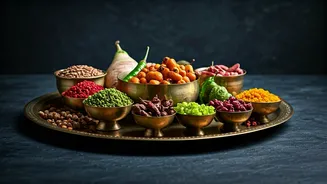
That old model is being thrillingly dismantled. A new generation of chefs, many of whom trained in Michelin-starred kitchens across Europe and America, has returned home with a different question: Why are we importing when we have one of the most biodiverse pantries on Earth? This question has sparked a movement toward what’s being called “hyper-local” or “regional-forward” cuisine. It’s a philosophy rooted in celebrating the unique produce of India’s 28 states and numerous territories. Instead of foie gras, think foraged mushrooms from the Himalayas. Instead of quinoa, think indigenous millets that have sustained communities for centuries. This isn't just about sourcing; it's a profound shift in identity. Chefs are becoming culinary archaeologists, digging up forgotten recipes, collaborating with small-scale farmers, and rediscovering ingredients that were once dismissed as humble or old-fashioned.
The Taste of the Terroir
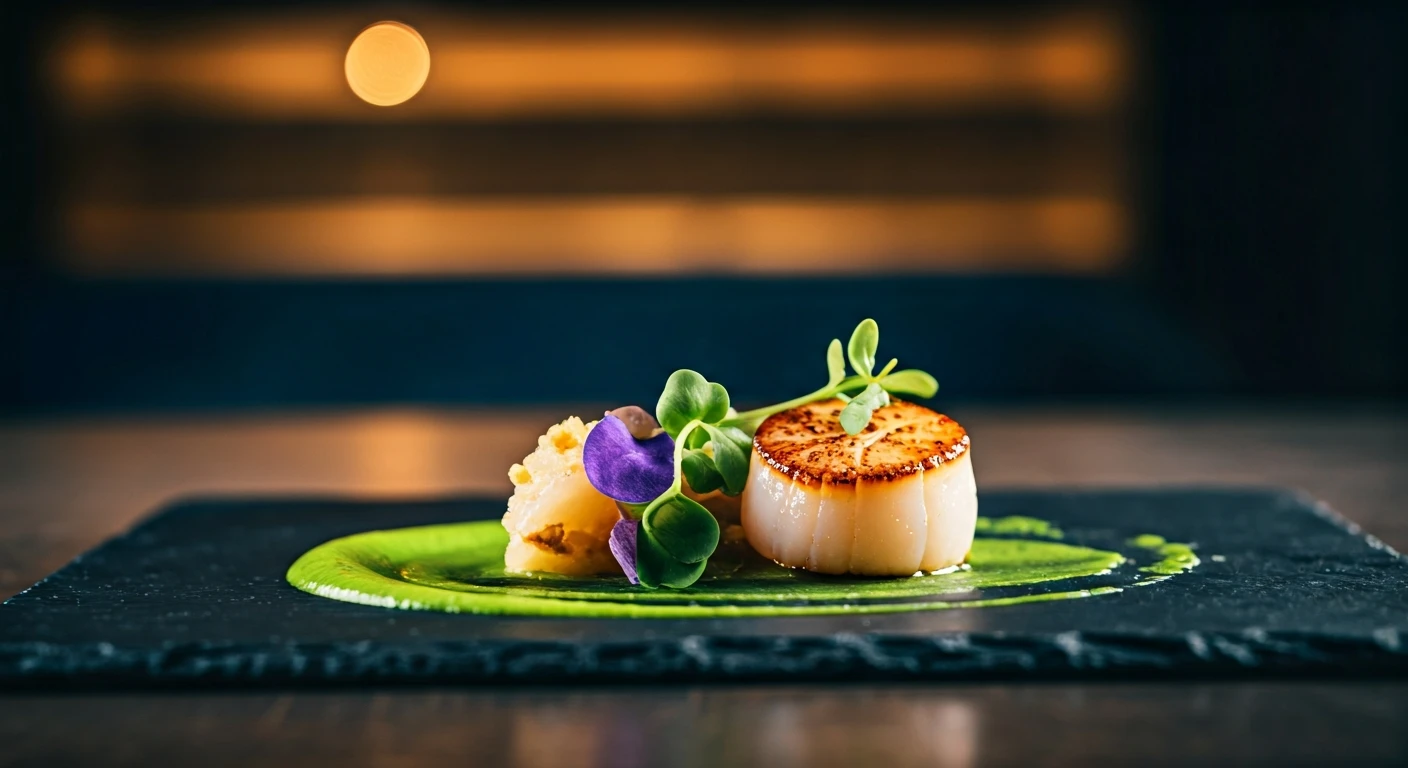
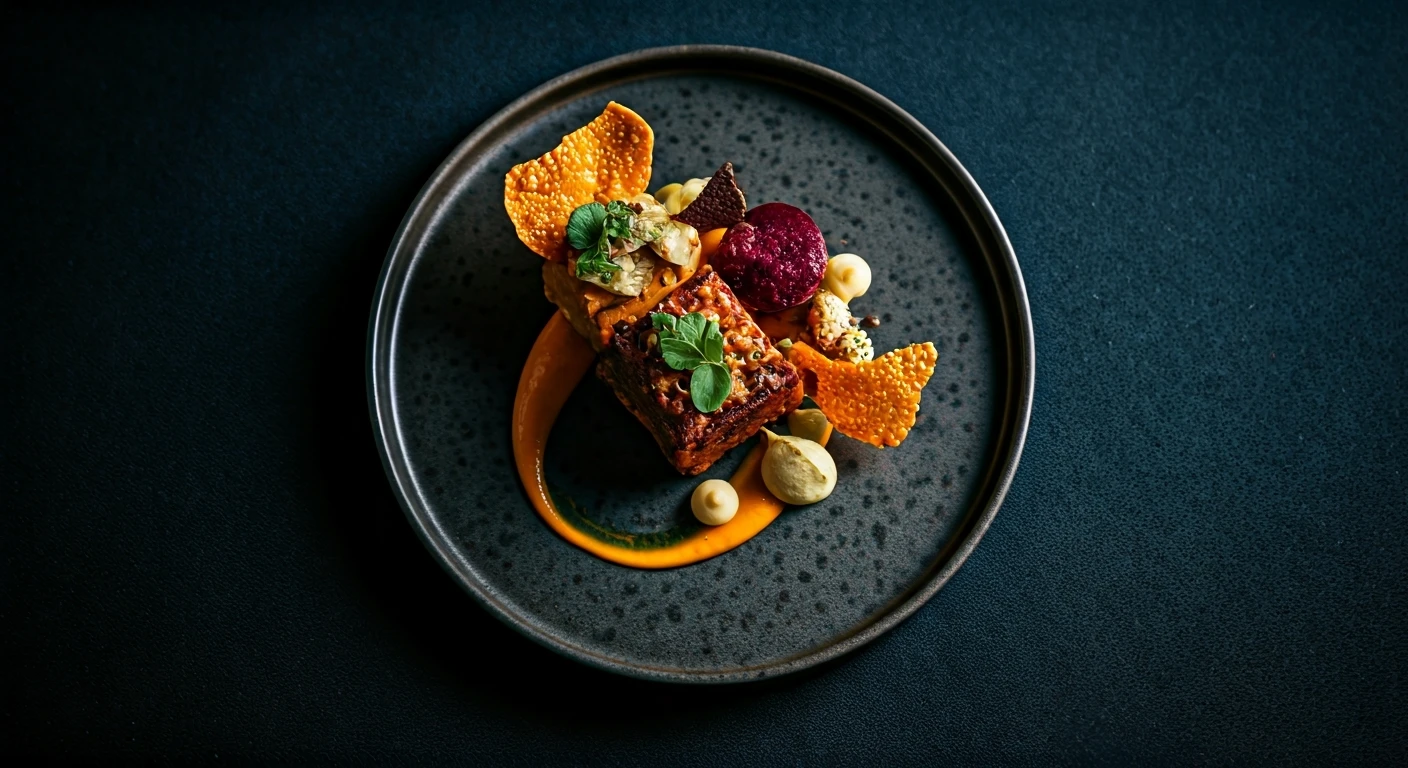
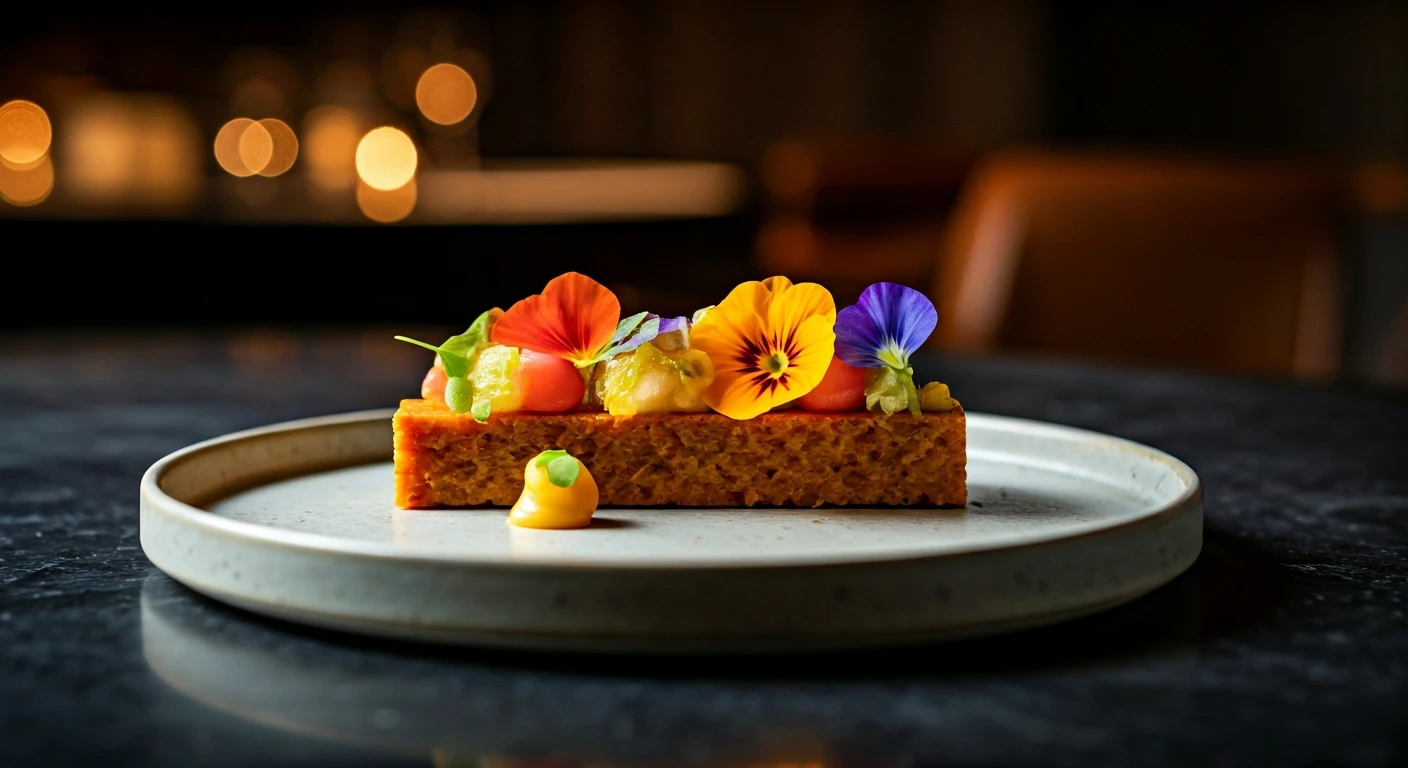
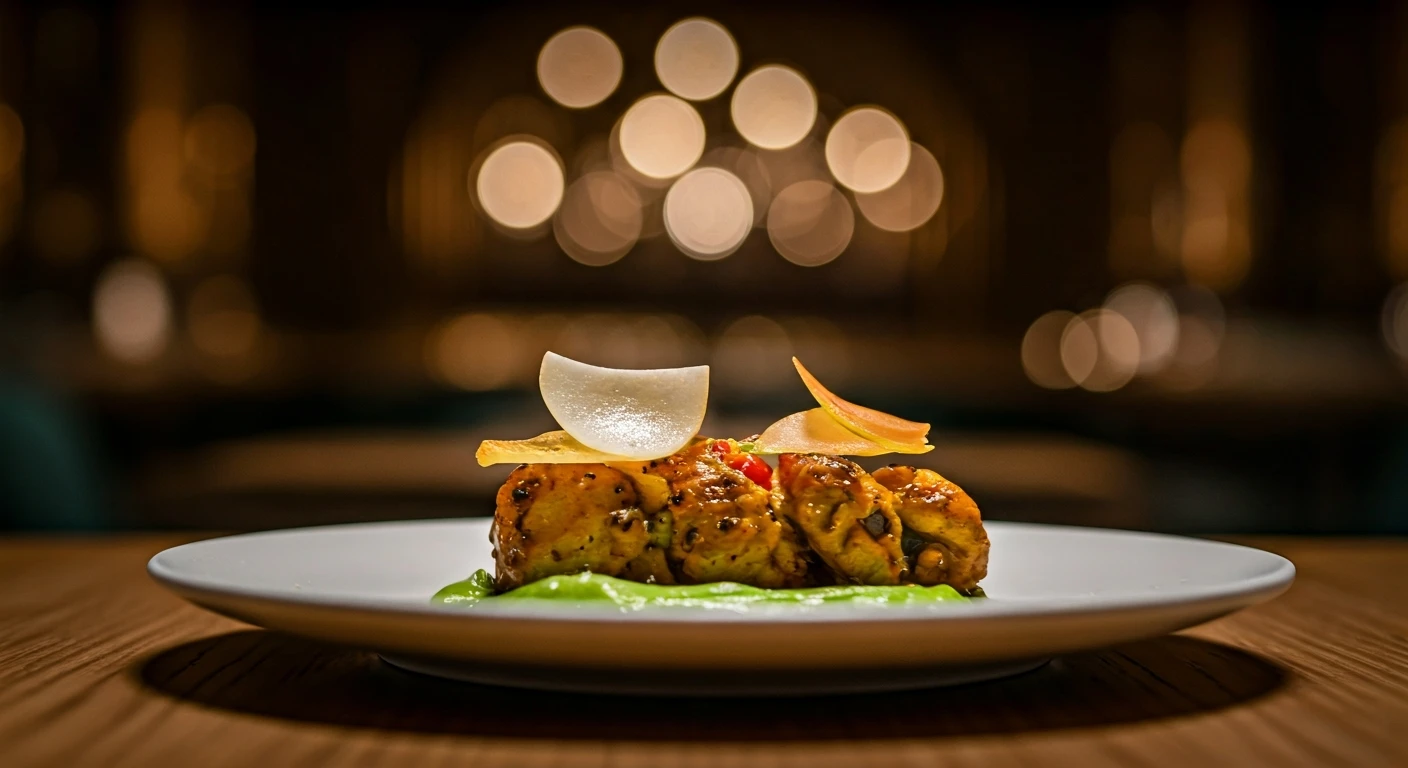
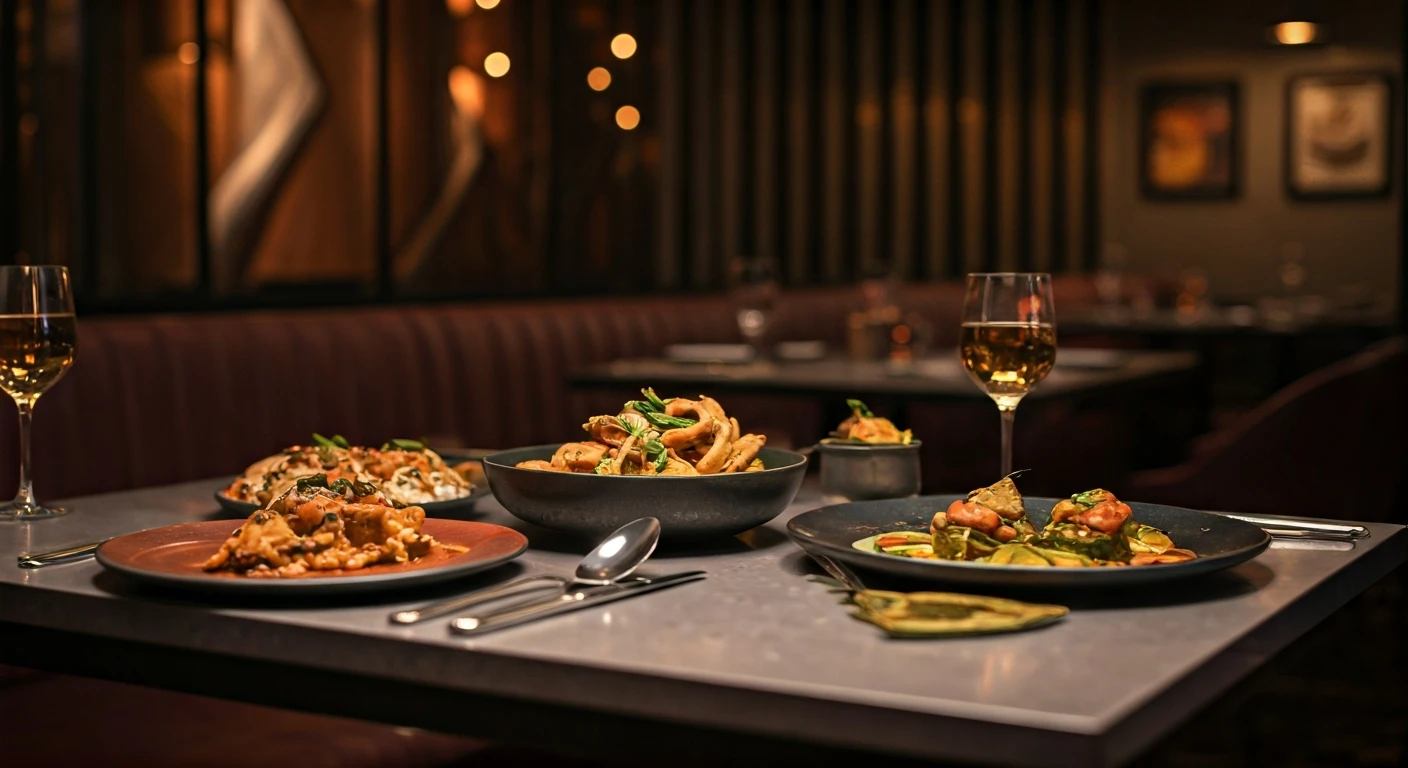
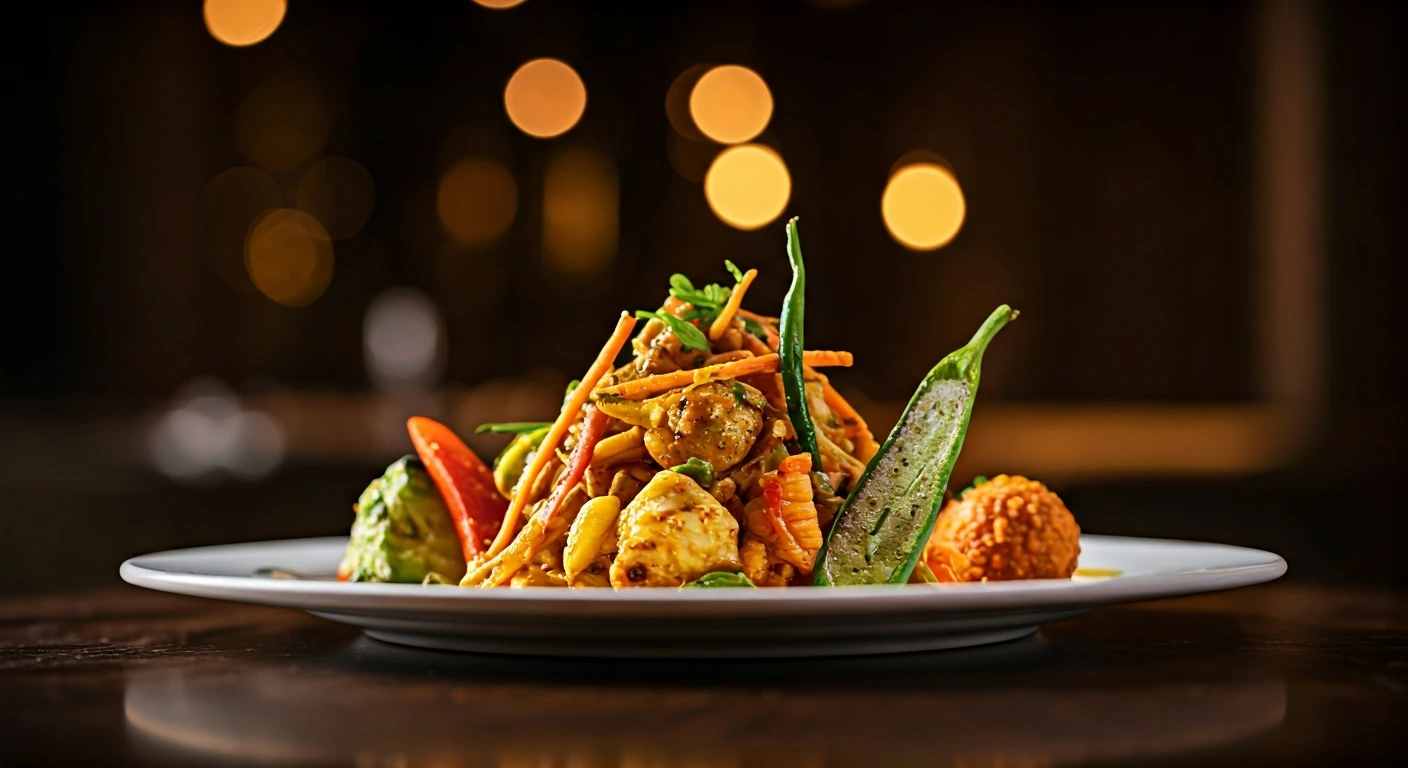
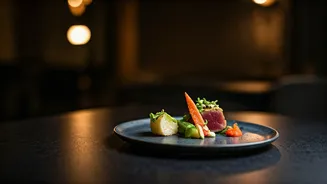
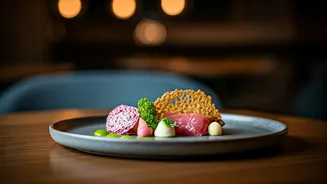
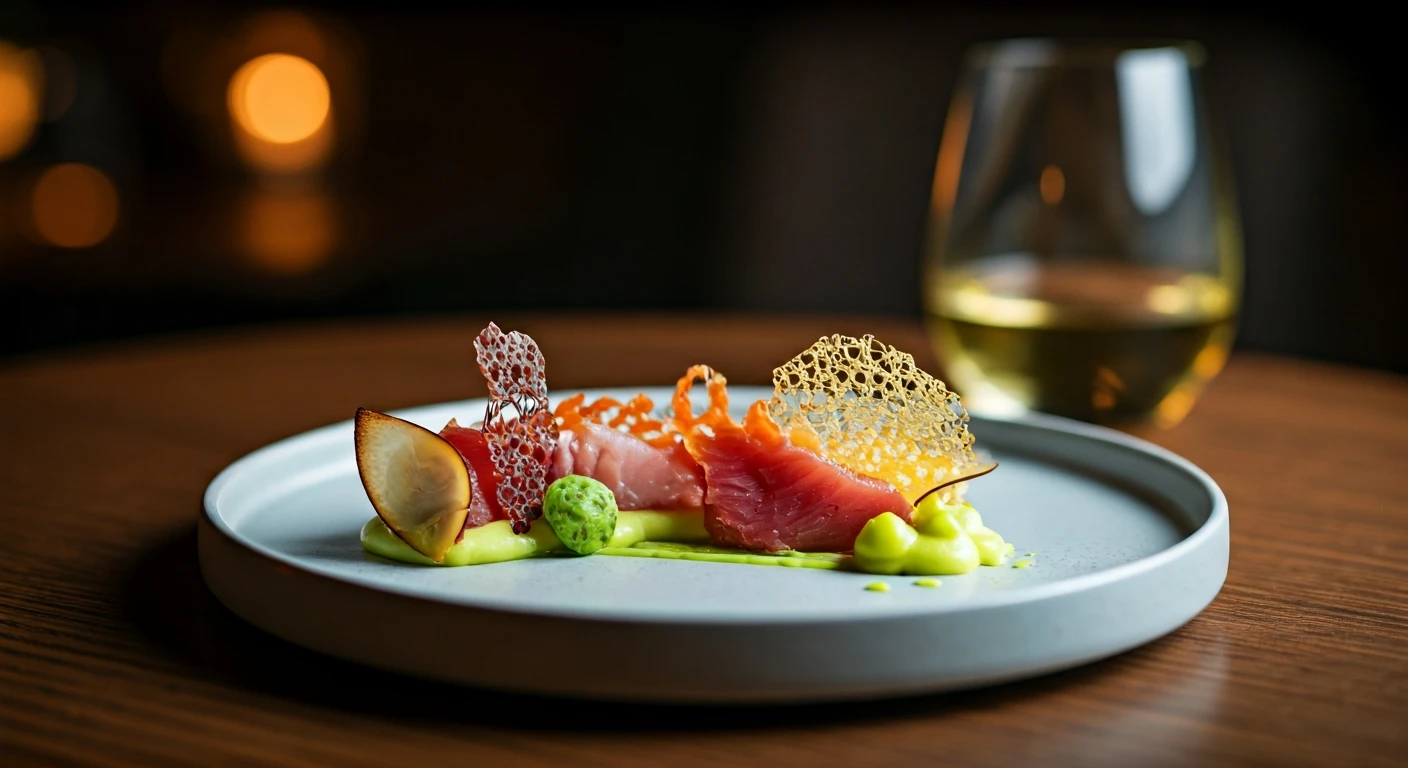
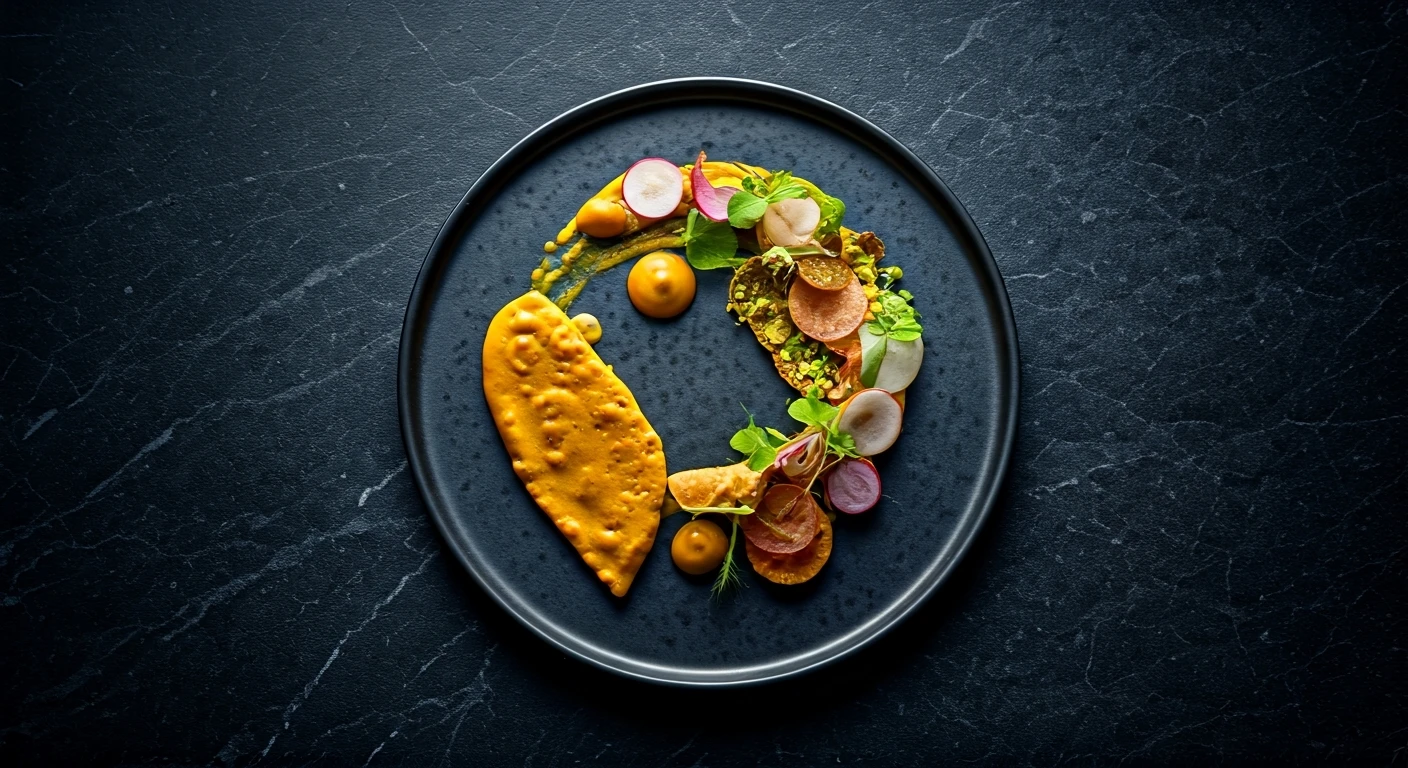
So, what does this actually look like on a plate? At groundbreaking restaurants like Masque in Mumbai (the first Indian restaurant to break into the World’s 50 Best list) or Ekaa (also in Mumbai), the menu is a map of India. You might find a dish built around tart sea buckthorn from the high-altitude deserts of Ladakh, typically used in local jams and juices. You could be served a delicate course featuring *gondhoraj lebu*, a fragrant, lime-like citrus from Bengal with a perfume so potent it can fill a room. Other chefs are championing ingredients like *ponkh* (tender green sorghum) from Gujarat, peppery *bhaaji* (foraged greens) from the hills of Maharashtra, or creamy *bandel* cheese, a smoky, semi-hard cheese from West Bengal with Portuguese origins. These aren't gimmicks; they are the protagonists of the dish, delivering flavors that are novel, complex, and undeniably Indian.
More Than Just a Meal
This trend is about much more than impressing food critics. It’s a powerful statement on sustainability, dramatically reducing the carbon footprint of a restaurant’s supply chain. By creating a market for these indigenous ingredients, chefs are providing crucial economic support to local farmers and tribal communities, helping preserve both biodiversity and cultural heritage. Furthermore, it represents a decolonization of the Indian palate. For decades, Western ingredients and techniques were seen as the benchmark for excellence. This new movement argues that true luxury lies in authenticity, in understanding and celebrating one's own environment. It’s a surge of culinary confidence that is redefining what it means to be a world-class restaurant in India.