
From Foie Gras to Fermentation
Remember when the pinnacle of food culture was a multi-course tasting menu, a drizzle of aged balsamic, or a dish laden with truffles and caviar? That era of conspicuous consumption defined foodie status for decades. The flex was about what you could
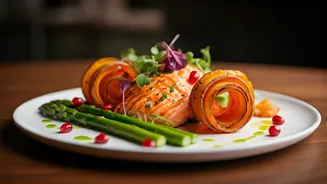
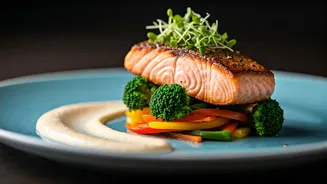
afford, what you had access to, and how refined your palate was. It was a language of luxury, whispered through foam-topped entrees and perfectly seared scallops. But a quiet revolution has been simmering, and it’s finally taking over the table. The new measure of culinary cool isn't found in a Michelin guide, but in the vibrant, textured, and deeply nourishing world of high-fiber foods. The focus has shifted from performative indulgence to performative wellness, and your gut is the new guest of honor.
The Gut Health Glow-Up
So, why fiber? And why now? The answer lies in the mainstreaming of a once-niche scientific concept: the gut microbiome. We’ve gone from vaguely knowing that fiber is 'good for you' to understanding that the trillions of bacteria living in our digestive tract have a profound impact on everything from our mood and immunity to our skin and energy levels. This isn't just about 'regularity' anymore; it's about optimizing our entire system from the inside out. Feeding our gut bacteria the right stuff—prebiotic fibers found in plants—has become a form of bio-hacking for the masses. Suddenly, a plate loaded with diverse, fiber-rich plants isn't just a healthy choice; it's an investment in your long-term vitality. And in a culture obsessed with optimization and wellness, there’s no greater flex than that.
What the New Flex Looks Like
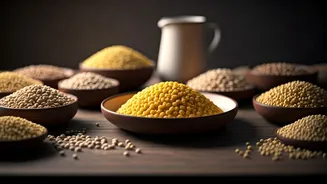
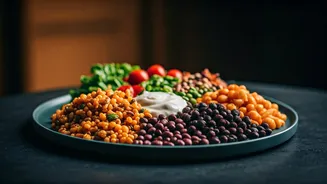
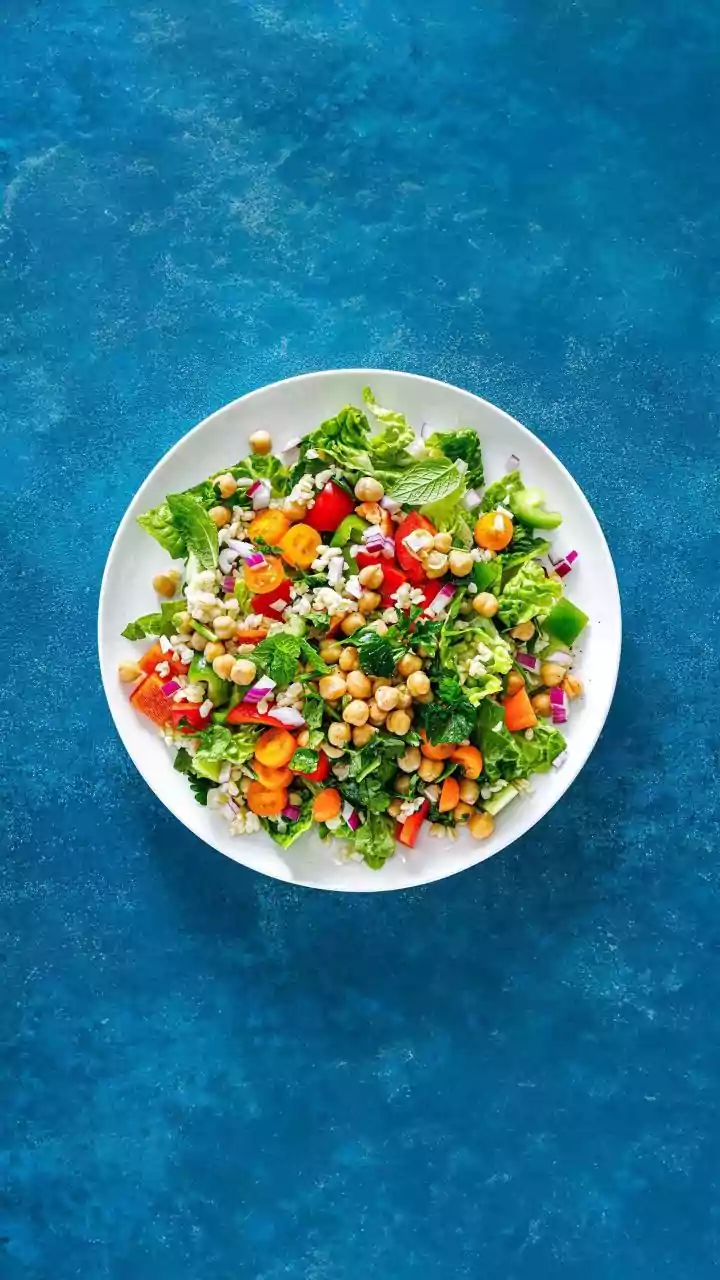
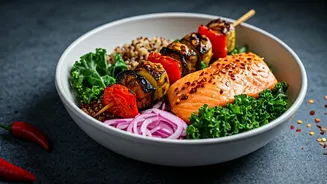
Forget the sad, beige image of bran flakes. The modern fiber-rich plate is a work of art, perfectly calibrated for a social media close-up. It’s a kaleidoscope of color and texture. Think of a grain bowl packed with farro, roasted sweet potatoes, leafy greens, pickled onions, and a sprinkle of hemp seeds. It’s a slice of dark, rustic sourdough bread—fermented for gut-friendly benefits—topped with avocado and a scattering of everything bagel seasoning. It’s the vibrant pop of kimchi or sauerkraut on the side of a dish, adding not just flavor but a dose of probiotics. This aesthetic celebrates abundance, but of a different kind. It’s an abundance of nutrients, of colors, of plant diversity. Posting a photo of your elaborate, fiber-packed salad is a signal that you’re not just eating—you’re curating your well-being.
Beyond the Boring 'Roughage'
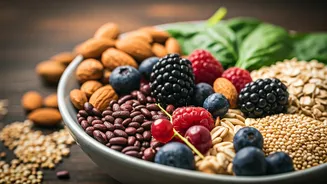
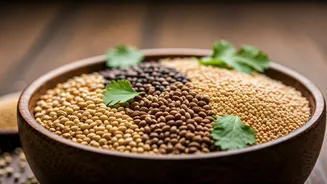
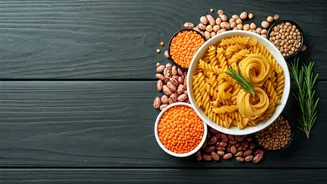
This trend has successfully rebranded fiber from a boring necessity into a desirable, even gourmet, ingredient. Chefs and home cooks are exploring the culinary potential of foods once relegated to the health-food aisle. Lentils, chickpeas, and beans are the stars of hearty, complex stews and salads. Artichokes, raspberries, and avocados are celebrated for their impressive fiber content. Chia seeds and flaxseeds are no longer just for smoothies; they’re used to create puddings, thicken sauces, and add a nutritional punch to baked goods. This isn't about grimly choking down a psyllium husk supplement. It’s about finding delicious, creative ways to weave fiber-rich ingredients into every meal. It proves that food can be both a source of immense pleasure and a powerful tool for health, and that the two are not mutually exclusive.