





An 'Inside-Out' Philosophy
For decades, the beauty industry sold a topical dream: If you have a problem, there’s a cream, serum, or mask for that. But for a generation raised on a wellness-first mindset, that approach feels outdated and superficial. Gen Z is championing an “inside-out”
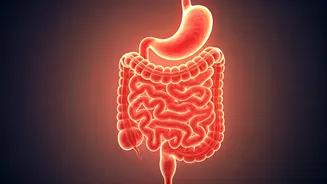
philosophy, where external beauty—clear skin, strong hair, a healthy glow—is seen as a direct reflection of internal health. This isn't about covering up imperfections; it's about resolving them at their source. The gut, with its complex ecosystem of bacteria, has become the symbolic and scientific center of this new doctrine. Instead of just treating a pimple, the thinking goes, why not address the inflammation that might have caused it in the first place?
The Gut-Skin Connection, Simplified
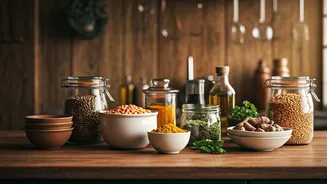
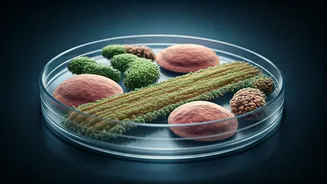
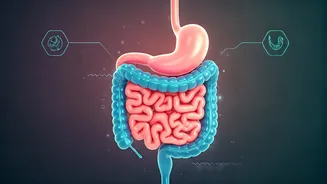
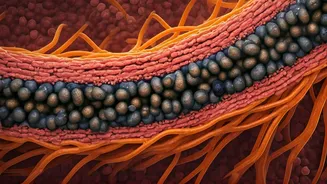
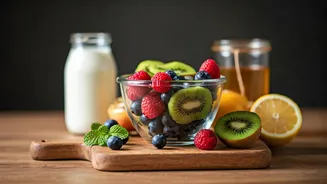
This trend isn't just based on a feeling; it’s rooted in emerging science. Researchers have been studying the “gut-skin axis” for years, exploring the communication highway between our digestive system and our largest organ, the skin. An imbalanced gut microbiome—the community of trillions of bacteria living in your digestive tract—can contribute to systemic inflammation. This inflammation, in turn, can trigger or worsen skin conditions like acne, eczema, and rosacea. When Gen Z-ers talk about “healing their gut,” they’re often referring to nurturing a diverse and healthy microbiome through diet. This means incorporating fermented foods rich in probiotics (like yogurt, kimchi, and kefir), prebiotic fibers that feed good bacteria (found in foods like garlic, onions, and bananas), and generally reducing processed foods that can disrupt this delicate balance. It transforms beauty from a passive application of products into an active, daily practice of nourishment.
Fueled by the #GutTok Engine
The gut health gospel spreads fastest on TikTok. Under hashtags like #guttok (billions of views), #bloatingtips, and #guthealing, a new generation of influencers shares their personal journeys. They post “what I eat in a day” videos showcasing gut-friendly meals, review probiotic supplements, and offer tips for reducing bloating. This content is powerful because it feels authentic and peer-led, not like a corporate ad campaign. A user sharing their personal success story about clearing their acne by drinking kombucha feels more trustworthy than a celebrity endorsing a face cream. This social media ecosystem democratizes information, allowing complex topics like the microbiome to be broken down into digestible, bite-sized videos. It creates a shared community where users can swap tips and feel validated in their holistic approach.
A Rejection of Old-School Diet Culture
Perhaps most importantly, the focus on gut health represents a subtle but significant rejection of the restrictive diet culture that plagued previous generations. While the wellness trends of the 2000s and 2010s often centered on calorie counting, cutting out entire food groups, and achieving a certain body type, the gut health movement is framed around abundance and nourishment. The goal isn’t to eat less, but to eat better—to add things in. It’s about adding fiber, adding fermented foods, and adding diversity to your plate. This approach feels less punitive and more empowering. The objective isn't thinness for its own sake, but a feeling of well-being that radiates outward. For a generation wary of diet fads and committed to body positivity, optimizing gut health is a way to take control of their well-being without falling into the toxic traps of the past.