

Beyond Yogurt: The Fermentation Connection
Let’s get one thing straight: fermentation isn’t a new wellness trend. It's an ancient technique for preserving food, developing complex flavors, and, as a happy side effect, making nutrients more bioavailable. The process involves microorganisms like
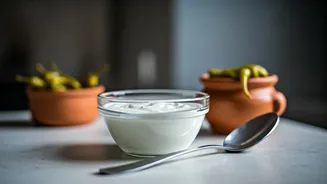
bacteria and yeast breaking down carbs, and in many cases, this creates probiotics—live beneficial bacteria that support a healthy gut microbiome. While Americans often associate probiotics with yogurt or pricey supplements, Indian culinary traditions have incorporated naturally fermented foods into daily meals for centuries. It wasn't about chasing a health fad; it was about creating delicious, digestible food with the ingredients at hand. Now, as science catches up to this ancient wisdom, these dishes are being seen in a new light.
The Breakfast Champions: Idli & Dosa
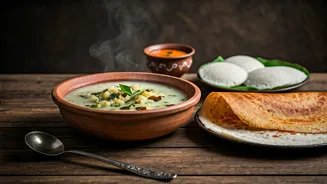
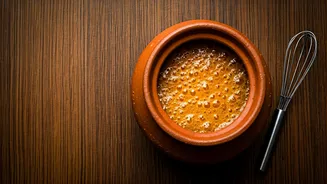
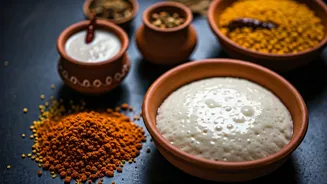
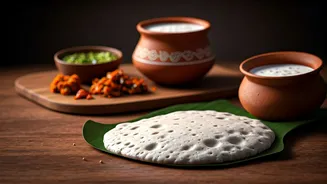
If you’ve ever been to a South Indian restaurant, you’ve seen idli and dosa. Idli are soft, savory steamed cakes, and dosas are thin, crispy crepes. Both are made from a batter of fermented rice and lentils. This fermentation process, which can take anywhere from 8 to 24 hours, does more than just make the batter rise. It populates the mixture with lactic acid bacteria, the same family of microbes found in yogurt and sauerkraut. This not only gives idli and dosa their signature tangy flavor but also pre-digests some of the starches, making them easier on the stomach. Eaten for breakfast or any meal of the day, they are a perfect example of a food that is simultaneously comforting, delicious, and functionally good for you.
The Original Gut Shot: Kanji
Move over, kombucha. Before there were trendy, bottled gut shots, there was kanji. This traditional North Indian fermented drink is typically made with black carrots, though beets or other root vegetables can be used. The vegetables are submerged in water with salt and spices like mustard seeds, then left to ferment in the sun for several days. The result is a tart, tangy, and brightly colored beverage teeming with live cultures. Kanji is a seasonal drink, often prepared in winter and enjoyed during the festival of Holi. It's a classic example of a functional beverage that serves as both a digestive aid and a refreshing thirst-quencher, embodying a philosophy where food is medicine, but it’s also just plain good.
Achaar: The Probiotic Pickle
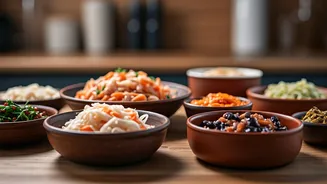
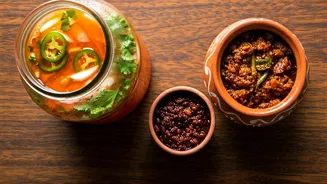
American pickles are typically preserved in vinegar, which kills most bacteria. But traditional Indian pickles, known as achaar, are a different story. Many regional varieties are lacto-fermented, using salt, spices, and oil to create an environment where beneficial bacteria can thrive while harmful ones are kept at bay. From spicy mango and lime pickles to more complex mixed vegetable versions, these condiments are flavor powerhouses. A small spoonful served on the side of a meal adds a jolt of salty, sour, and spicy complexity. While many mass-produced versions sold in the U.S. are now pasteurized, traditionally made, unpasteurized achaar is a potent source of probiotics, delivering a dose of gut-friendly microbes alongside incredible flavor.
Dhokla: The Spongy, Savory Snack
Hailing from the state of Gujarat, dhokla is a spongy, savory cake made from a fermented batter of gram flour (chickpea flour) or rice and split chickpeas. Like idli, the fermentation process leavens the batter and enhances its nutritional profile. The batter is steamed, cut into squares, and then often topped with a tempering of mustard seeds, sesame seeds, and fresh cilantro. It’s light, airy, and packed with plant-based protein. As a naturally gluten-free and vegan snack that’s also rich in probiotics from fermentation, dhokla hits all the right notes for today’s health-conscious consumer, proving once again that some of the most modern-sounding health foods have been staples for generations.