




First, What Is 'Forest-Core'?
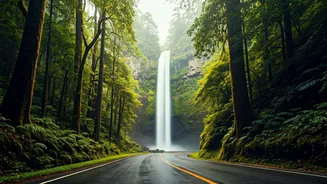
If cottagecore is about sunny meadows, baking bread, and floral prints, forest-core is its moodier, more introspective sibling. It’s an aesthetic and a mindset centered on the deep, immersive experience of being in the woods. Think less idyllic picnic
and more soulful hike. The vibe is inspired by the dense, damp, and magical forests of the Pacific Northwest or the mythical woods of folklore. The color palette is all earth tones: deep greens, rich browns, slate gray, and the occasional pop of a wild mushroom. It’s about unplugging not just from your devices, but from the noise of modern life, trading curated perfection for the authentic, slightly wild beauty of nature. It’s about finding comfort in solitude, the scent of pine needles after rain, and the quiet wisdom of ancient trees.
Enter Tirthan Valley: A Hidden Paradise
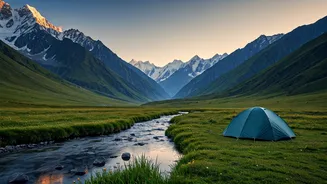
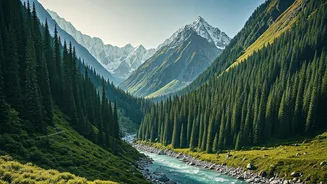
Now, imagine a place that is the living embodiment of that ethos. Tirthan Valley, located in the Kullu district of Himachal Pradesh in northern India, is that place. Nestled alongside the Tirthan River, this serene valley is the gateway to the Great Himalayan National Park, a UNESCO World Heritage Site. What makes Tirthan so special is what it lacks: there are no large-scale hotels, no bustling market streets, and no overwhelming crowds. Instead, the valley is dotted with traditional wooden homestays and eco-lodges run by local families, often perched on hillsides overlooking the roaring turquoise river. It’s a place that has deliberately resisted the rampant commercialization that has befallen other Himalayan destinations, preserving a sense of untouched tranquility that is becoming increasingly rare.
Why It's a Perfect Match
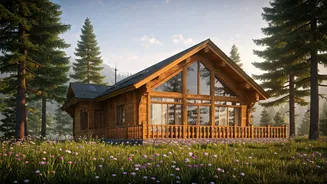
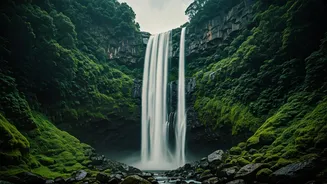
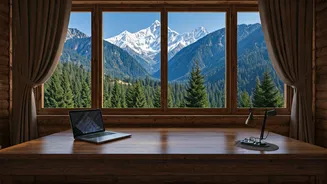
Tirthan Valley is not just a place with trees; it’s a full-sensory forest-core immersion. The experience starts with the rustic, wood-and-stone architecture of the guesthouses, where you can fall asleep to the sound of the river. Days are spent hiking through dense deodar cedar and pine forests, crossing rickety wooden bridges over mountain streams, and discovering hidden waterfalls. The trails within the Great Himalayan National Park are a trekker’s dream, ranging from easy day hikes to multi-day expeditions to alpine lakes. The air is crisp, the landscape is dramatic, and the feeling is one of being truly away from it all. It’s a destination that rewards slow travel, encouraging visitors to simply sit by the river, read a book, and connect with their surroundings rather than rushing through a checklist of sights.
Beyond the Vibe: What to Do
While the main attraction is the atmosphere itself, Tirthan offers plenty of gentle adventure. The valley is famous for its trout fishing, a meditative activity that puts you right on the banks of the pristine river. You can explore nearby villages like Jibhi and Shoja, each offering a slightly different flavor of Himachali culture and stunning viewpoints of the surrounding snow-capped peaks. For the more adventurous, local guides can lead you on treks to remote spots like Serolsar Lake or the historic Chaini Kothi fort towers. The emphasis is always on low-impact, sustainable tourism. This isn’t about adrenaline-fueled extremes; it’s about engaging with the environment respectfully, whether that’s through bird watching, angling, or simply taking a long, contemplative walk through the woods.
Planning Your Escape
Getting to a place this secluded requires a bit of effort, which is part of its charm. For a U.S. traveler, the journey typically involves flying into New Delhi, followed by a short domestic flight to Bhuntar Airport in Kullu. From there, it’s a winding, scenic 2-hour taxi ride into the valley. The best times to visit are during the spring and summer months (March to June) for lush greenery and pleasant weather, or in the autumn (September to November) for crisp air and clear skies. The reward for your journey is a destination that still feels like a secret—a place where the promise of the forest-core aesthetic is not just a filtered photo, but a soul-stirring reality.