
The Furnace and the Flight
Across the vast plains of India, summer has always been hot. But in recent years, it has become something else entirely: a life-threatening, economy-stalling furnace. Record-breaking heatwaves now arrive earlier, last longer, and push temperatures into
territory that makes daily life nearly impossible. Schools close, outdoor work grinds to a halt, and the power grid strains under the demand of millions of air conditioners. In response to this relentless assault, a powerful new travel trend has emerged. It’s not about leisure in the traditional sense; it’s about survival and sanity. Affluent and middle-class Indians are engaging in what can only be described as a seasonal climate migration. They pack their bags, laptops, and families, and flee the sweltering cities for the one place the heat cannot reach: the mountains.
The Rebirth of the Hill Station
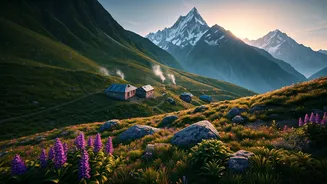
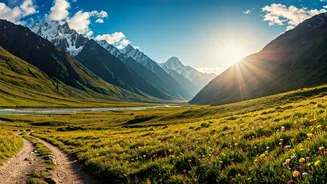
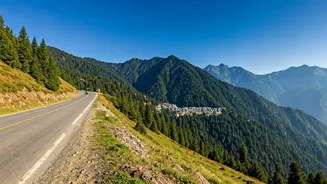
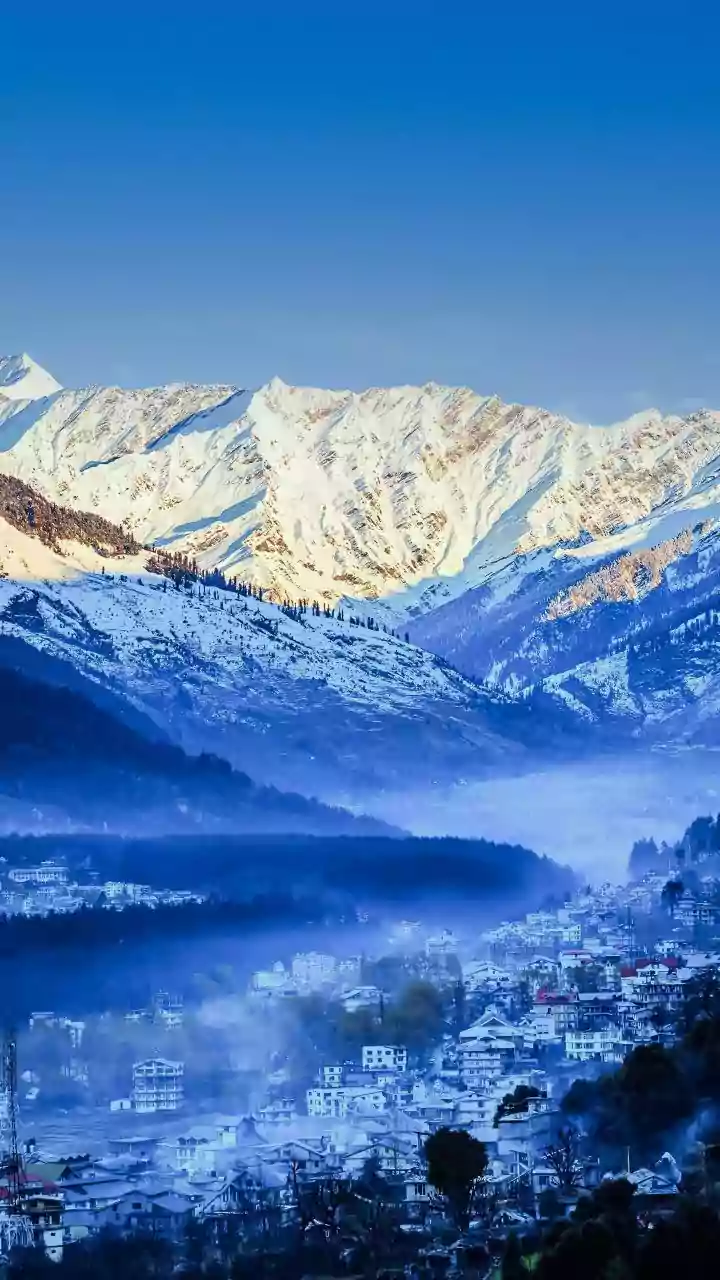
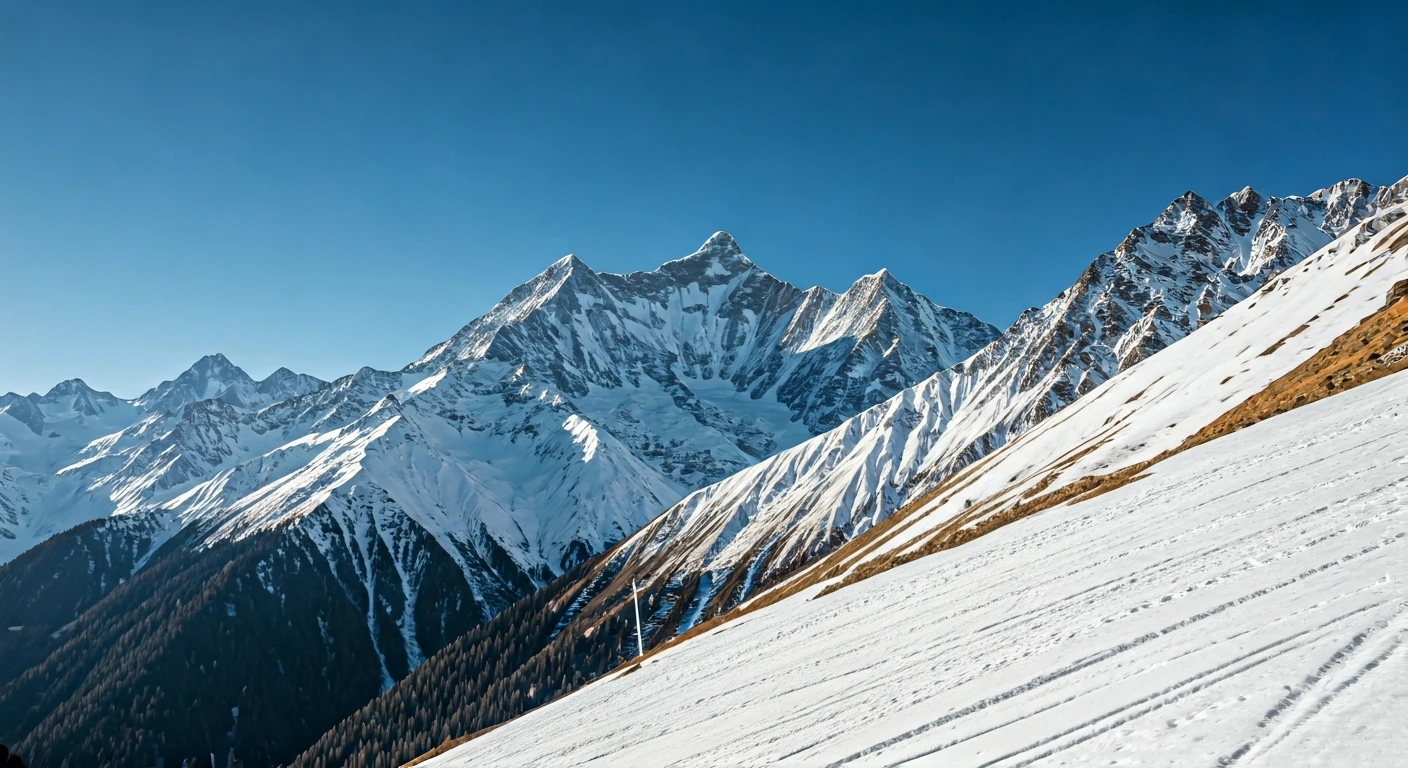
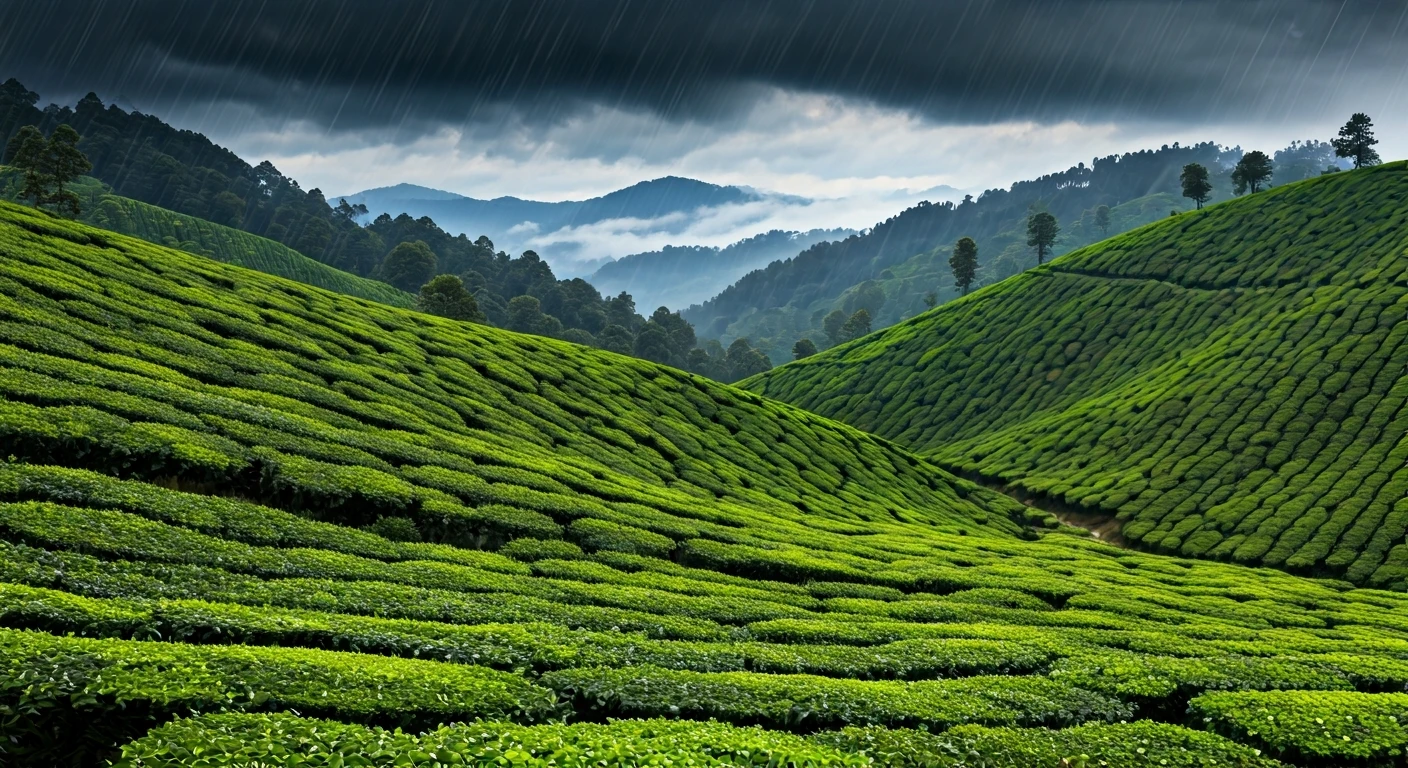
The destinations for this exodus are India’s “hill stations”—high-altitude towns, primarily in the Himalayas, that were originally developed by the British in the 19th century as retreats from the summer heat. Places like Shimla, Manali, Darjeeling, and Mussoorie are experiencing a dramatic renaissance. Their colonial-era charm and, most importantly, their cool climates, with daily highs often staying comfortably below 68°F (20°C), have turned them into modern-day arks. Social media feeds that were once filled with images of European holidays are now dominated by misty mountain mornings and cozy sweaters in May. Travel companies have pivoted, offering “anti-heatwave” packages and long-stay deals. This isn't just a two-week vacation; for many, it’s a temporary relocation. The dream is simple but profound: to breathe clean, cool air and escape the oppressive heat dome smothering the lowlands.
From Vacation to 'Workcation'
The rise of remote work has been the supercharger for this trend. Before the pandemic, escaping the heat for months at a time was a luxury reserved for the very wealthy. Today, a new generation of digital nomads and professionals with flexible jobs can simply swap their city apartment for a mountain cabin. This has given rise to the “work from mountains” phenomenon. Cafes with reliable Wi-Fi are packed with people tapping away on laptops, their Zoom backgrounds showcasing stunning Himalayan vistas. This shift transforms the nature of the escape. It’s no longer about disconnecting, but about relocating the entire apparatus of modern life—work, school, and family—to a more habitable climate for a few months a year. This flexibility has turned a desperate escape into a viable, and even aspirational, lifestyle choice for India’s growing middle class.
A Dream with Consequences
But the dream of a cool-weather escape is not without its nightmare side effects. These quaint hill stations, built for a different era and a fraction of the population, are buckling under the strain. The roads leading into them are choked with traffic, creating multi-hour jams that have become a hallmark of the summer season. Local resources, particularly water, are stretched to the breaking point, sometimes leading to shortages for the very residents who call these towns home year-round. The massive, unregulated construction of new hotels and guesthouses to meet demand is scarring the fragile mountain ecosystems. What feels like an escape for the tourist is often an invasion for the local community. The anti-heatwave dream, while a powerful symbol of adaptation for city dwellers, is creating a complex new set of challenges for the mountain communities on the receiving end of the migration.