




Beyond the Morning Buzz
For years, matcha has been the undisputed star of the wellness world, celebrated for its antioxidant properties and a caffeine kick that feels more like a gentle lift than a jolt. It conquered coffee shop menus, infused itself into pastries, and even
found its way into our ice cream. But its journey was far from over. Forward-thinking chefs, always on the hunt for the next compelling ingredient, have started looking past matcha’s beverage credentials and exploring its culinary soul. They’re realizing what Japanese cuisine has long understood: matcha is a versatile, sophisticated flavor agent with a profile that extends far beyond 'sweet.' Its earthy, slightly bitter notes and rich umami undertones make it a surprisingly brilliant partner for savory ingredients, transforming familiar dishes into something new and exciting.
The Secret is Umami
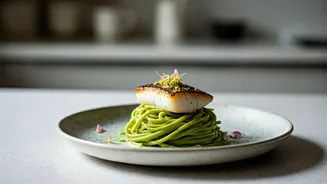
So, what exactly does matcha taste like on a piece of fish or tossed with pasta? Forget the sweetened, milky flavor of a latte. High-quality, culinary-grade matcha has a complex profile. It leads with a distinct vegetal, grassy note, followed by a deep, savory character known as umami—the “fifth taste” that gives foods like mushrooms, parmesan cheese, and soy sauce their satisfying depth. This is balanced by a subtle, pleasant bitterness that can cut through richness, much like arugula or dark chocolate. When used correctly, it doesn't make a dish taste like green tea. Instead, it acts as a flavor enhancer. A sprinkle in a vinaigrette can brighten a salad, a dusting on scallops before searing can create a beautifully herbaceous crust, and a bit mixed into pasta dough can lend an earthy depth and a stunning, vibrant hue.
A Feast for the Eyes
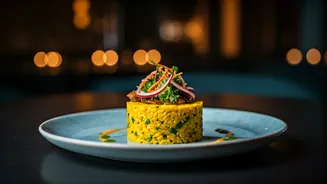
Let’s be honest: in the age of Instagram, we eat with our eyes first. Part of matcha’s runaway success on summer menus is its undeniable visual appeal. That brilliant, electric green is a showstopper. It turns a simple plate of noodles into a work of art and provides a striking contrast against seared fish or creamy burrata. Summer dining is often about light, fresh, and colorful food, and matcha fits that aesthetic perfectly. It evokes a sense of natural, healthful vibrancy that feels right for the season. A dish featuring a splash of matcha green doesn’t just promise a unique flavor; it signals a fresh, modern, and thoughtful approach to cooking that diners are increasingly drawn to.
Spotted on the Menu
This isn’t just a theoretical trend; it’s appearing on innovative menus from coast to coast. In New York, you might find handmade matcha pasta served with a light cream sauce and peas. In Los Angeles, chefs are using it as a dry rub for white fish or incorporating it into a savory crudo. Trend-setting bakeries are even moving beyond sweets to offer things like matcha-infused sourdough. Other common applications include matcha-salt for finishing fries or edamame, matcha-infused aioli for sandwiches, or a matcha-based vinaigrette for summer salads. It's often paired with ingredients that complement its profile, such as citrus, seafood, goat cheese, white chocolate (in savory-sweet applications), and sesame. The next time you're browsing a menu, keep an eye out for that tell-tale green.
How to Try It at Home
You don't need a reservation to experiment with savory matcha. The key is to start small and use a good quality culinary-grade powder (not the pricier ceremonial kind). A little goes a long way, as its flavor can be potent. Try whisking a half-teaspoon into your favorite lemon-and-oil salad dressing for an umami boost. Mix a pinch with salt and pepper to create a finishing salt for grilled chicken or popcorn. For something more adventurous, blend a teaspoon into a marinade for tofu or fish, paired with ginger, garlic, and soy sauce. It’s a simple way to add a layer of complexity and a touch of modern flair to your home cooking.