






1. Master Your Wiper Blades
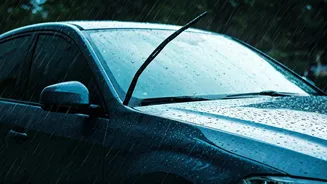
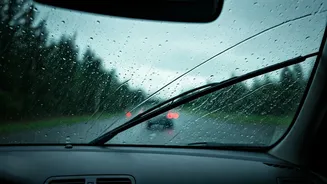
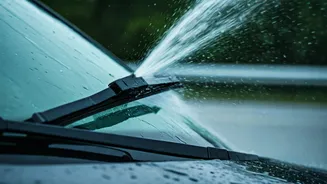
Your windshield wipers are your first line of defense against the rain, yet they're often the most neglected component. Streaking, squeaking, or chattering wipers aren't just annoying; they're a sign that the rubber has degraded and is no longer making
clean contact with the glass. This can smear water and grime, dangerously reducing your visibility. The habit to build is simple: inspect your wipers monthly and replace them every six to twelve months, or as soon as they show signs of wear. A quick wipe-down of the rubber edge with a damp cloth can also remove grit and extend their life. And don't forget the back-end: keep your washer fluid reservoir topped up with a fluid formulated to cut through road grime, not just plain water.
2. Get Serious About Your Tires
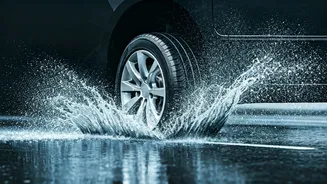
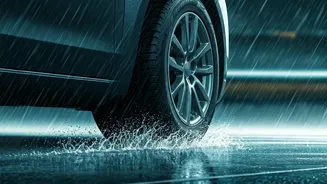
If wipers affect what you can see, tires affect how your car connects to the road itself. Driving in the rain with worn-out tires is a recipe for hydroplaning—a terrifying situation where your tires lose contact with the pavement and skim on a thin layer of water, causing a total loss of steering and braking control. The key preventative measure is ensuring you have adequate tread depth. The classic, easy way to check is with a penny. Insert it into the tread groove with Lincoln's head upside down. If you can see the top of his head, your treads are dangerously shallow (below 2/32 of an inch) and it's time for new tires. Also, check your tire pressure monthly. Both under- and over-inflated tires can reduce grip and make handling in wet conditions unpredictable.
3. Create a Forcefield for Your Glass
A truly 'rain-proof' view isn't just about good wipers; it's about making the glass itself hostile to water. Applying a hydrophobic glass treatment, like the popular brand Rain-X or similar products, works wonders. These silicone-based sprays create a super-slick surface that forces water to bead up and roll away. At highway speeds, you may find you barely need to use your wipers at all. The application is a simple weekend task: clean the glass thoroughly, apply the treatment with a cloth, let it haze over, and buff it off. Don't forget your side windows and mirrors—clear side views are crucial for lane changes in a downpour.
4. Beat the Interior Fog
Fighting the rain outside is pointless if you're blinded by fog on the inside. Interior fogging happens when the moisture from your breath and wet clothing meets a cold windshield. The habit here is knowing how to use your car's climate control system effectively. Your air conditioning is your secret weapon, even in winter. The A/C system acts as a dehumidifier, pulling moisture from the cabin air. The fastest way to defog is to turn on your front defroster, switch on the A/C, crack a window slightly to vent moist air, and turn off air recirculation. This combination quickly replaces the humid interior air with dry, conditioned air. For a low-tech preventative, keep your interior glass as clean as possible; dirt and oil give condensation a place to cling.
5. See and Be Seen
In a storm, visibility is a two-way street. You need to see the road, and other drivers need to see you. Many states have laws requiring headlights to be on whenever wipers are in use—a good rule of thumb everywhere. Make it a habit to periodically walk around your car while a friend or family member operates the lights. Check your headlights (both low and high beams), taillights, brake lights, and turn signals. A single burnt-out bulb can make your car nearly invisible from certain angles in low-light, rainy conditions. Modern headlight lenses can also become yellowed and hazy over time, significantly reducing their brightness. Inexpensive restoration kits are available at any auto parts store and can make a dramatic difference in nighttime and foul-weather visibility.
6. Protect Your Paint with Wax
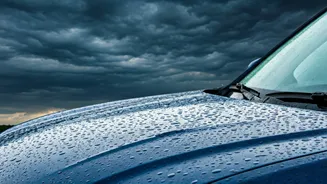
This habit is more about long-term protection than immediate safety, but it's a core part of making your car resilient to the elements. A good coat of car wax does more than just make your paint shine. It creates a protective barrier, much like the treatment on your windshield. Water will bead up and roll off the paint instead of sitting and potentially seeping into tiny scratches or compromising the clear coat over time. This also makes your car easier to clean, as dirt and grime have a harder time sticking. Regularly waxing your car every three to four months is a simple ritual that helps preserve your vehicle's finish and value against the corrosive effects of rain, road salt, and sun.