






The Rise of the ‘Fur Baby’
In apartments from Mumbai to Bengaluru, the pitter-patter of paws is the new sound of family. For a growing segment of urban Indians, a pet isn’t just a companion; it’s a child. This isn’t an exaggeration. Social media feeds are filled with photos of elaborate
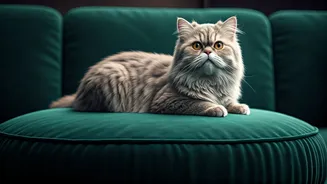
pet birthday parties, complete with custom-baked cakes, party hats, and dozens of human and canine guests. Dogs are dressed in bespoke outfits for festivals like Diwali, and cats have their own Instagram accounts with thousands of followers. Owners refer to themselves as “pet parents,” their dogs and cats are “fur babies,” and their homes have been redesigned to accommodate the needs of these four-legged family members. This deep emotional bond represents a profound departure from a time when animals in India were viewed primarily through a utilitarian lens—as guards, workers, or simply strays to be tolerated.
A Rapid and Recent Shift
For generations, the relationship with domestic animals in many parts of India was complicated. While some scriptures celebrate animals, the day-to-day reality often involved a distinct separation between humans and pets. Dogs were often kept outside, not allowed on furniture, and fed leftovers. The concept of a “stray” or “street dog” is deeply embedded in the subcontinent’s landscape. But over the past two decades, something has changed dramatically, particularly among the swelling middle and upper classes in major metropolitan areas. What was once a niche practice of the ultra-wealthy has become a mainstream aspiration. This isn't just about affection; it's a fundamental redefinition of a pet’s role within the family structure, mirroring a trend that took hold in the U.S. decades ago but with a uniquely Indian flavor.
What’s Driving the Change?
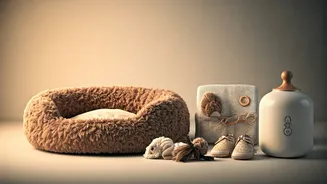
Several powerful social and economic forces are fueling this transformation. First is the rise of nuclear families. As more young professionals move to cities for work, they live in smaller family units, often far from their extended relatives. A pet can fill a significant emotional void, offering the unconditional companionship once provided by a large, bustling household. Second, rising disposable incomes mean people can afford the considerable expense of pet ownership. This isn't just food; it’s high-end veterinary care, professional grooming, and premium accessories. Finally, there's the undeniable influence of global culture. Exposure to Western media, where pets have long been portrayed as integral family members, has normalized and popularized the idea for a generation of Indians who are more globally connected than ever before.
The Billion-Dollar Bark
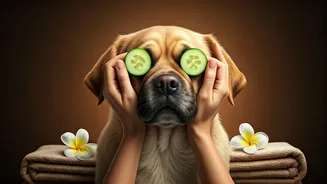
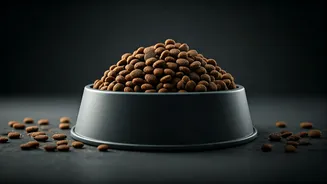
Where culture goes, commerce follows. India's pet care market is exploding, projected to grow exponentially in the coming years. This boom is visible on every city street. Gourmet pet bakeries, luxury “pet-tels” offering air-conditioned suites, and mobile grooming vans are becoming common sights. E-commerce platforms have dedicated verticals for premium pet foods, including grain-free, organic, and breed-specific formulas. Veterinary medicine is also advancing rapidly, with specialized clinics offering everything from animal oncology to orthopedic surgery. Pet-friendly cafes are popping up, and real estate developers have started advertising pet-friendly apartment complexes with dedicated dog parks—a powerful indicator that accommodating pets is now a market-driven necessity, not just a personal preference.
An Uniquely Indian Experience
While the trend has global parallels, its expression is distinctly Indian. Pet parents are adapting local traditions for their animals. It's not uncommon to see a pet participating in a small 'puja' (a Hindu prayer ritual) for their well-being or owners consulting animal astrologers. The choice of breeds also tells a story. While foreign breeds like Golden Retrievers and Shih Tzus are status symbols, there's a growing and vocal movement advocating for the adoption of indigenous Indian breeds and street dogs, known as “Indies.” This “adopt, don’t shop” movement adds a layer of social consciousness to the pet parenting trend, blending modern compassion with a solution to the age-old issue of strays. This fusion of global trends and local customs is creating a pet culture that is as diverse and dynamic as India itself.