





Welcome to the Scotland of India
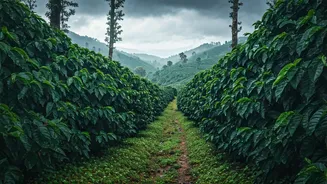
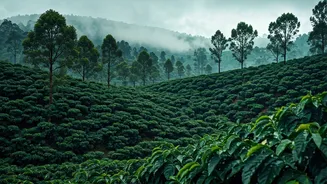
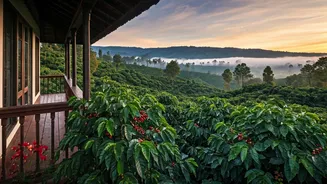
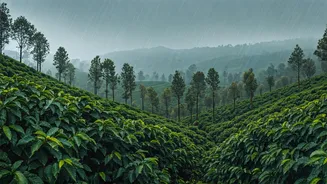
First, a quick geography lesson for the uninitiated. Tucked away in the Western Ghats mountain range of southern India’s Karnataka state is Kodagu, a district more affectionately known by its anglicized name, Coorg. With its rolling emerald hills, mist-shrouded
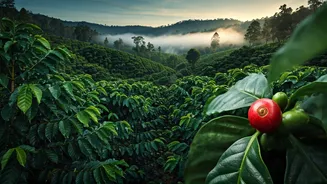
valleys, and temperate climate, it earned the colonial-era nickname “The Scotland of India.” But while Scotland has its whisky distilleries, Coorg’s legacy is built on something else: coffee. The landscape is a fragrant patchwork of coffee plantations, often interspersed with spices like black pepper and cardamom grown under the shade of native trees. It’s a place that already feels removed from the frenetic pace of modern life, but it’s during the monsoon that its true character emerges.
When the Rains Arrive
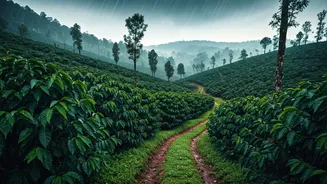
In the United States, we often plan our vacations to avoid the rain. In Coorg, you learn to embrace it. From roughly June through September, the monsoon rolls in, not as a persistent drizzle but as a dramatic, soul-stirring performance. The air grows heavy and cool. The first drops hit the dry earth with a sizzle, releasing a heady, intoxicating scent known as petrichor. Soon, it’s a downpour, drumming a steady rhythm on the terracotta roof tiles of your bungalow. The world outside dissolves into a watercolor painting of greens and grays. The constant sound of rain becomes a form of meditation, a white noise that quiets the mind and encourages you to simply be present.
The Magic of an Estate Stay
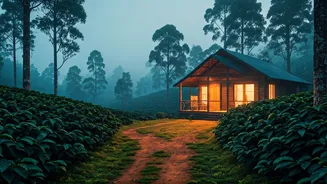
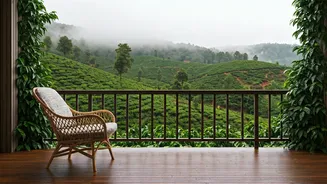
This experience is best savored not from a sterile hotel room, but from within a coffee estate itself. Many of the region's historic plantations have opened their doors, offering stays in beautifully maintained ancestral homes and bungalows. This isn’t a commercial resort experience. It’s deeply personal and rooted in place. You wake up to the smell of damp earth and blossoming coffee plants (or roasting beans, depending on the season). Your host might be a third-generation planter with endless stories of the land. The furniture feels lived-in, the walls hold history, and the veranda becomes your front-row seat to the theater of the monsoon.
The Slow Rhythm of a Rainy Day
So, what do you do when it’s pouring outside? You redefine your concept of activity. A day in monsoon-swept Coorg is about the luxury of slowness. It’s about curling up in a wicker chair on a covered porch with a book you’ve been meaning to read for months. It’s about sipping endless cups of an estate’s single-origin brew—coffee that tastes brighter and more alive because you’re drinking it at the source. When the rain pauses, you pull on boots and go for a walk with a guide through the dripping-wet plantation. You’ll see how pepper vines snake up silver oak trees, learn to spot the difference between Arabica and Robusta leaves, and watch tiny, temporary waterfalls cascade down hillsides. In the evenings, you’re treated to warm, spiced Kodava cuisine—pork curry, rice dumplings—that feels like a hug from the inside.
An Immersion in Green
The romance of Coorg in the monsoon is not just about cozying up indoors. It's about witnessing a world super-saturated with life. The waterfalls, like Abbey and Iruppu Falls, which are mere trickles in the dry season, become roaring, magnificent spectacles. The surrounding forests seem to hum with energy. The rice paddies in the valleys below the estates take on a shade of fluorescent green that seems almost impossible. You feel enveloped by nature in its most generous and powerful state. It’s a romance not just between two people, but between a person and a place—a deep, restorative connection to the rhythms of the natural world.