




What Exactly Are These Salads?
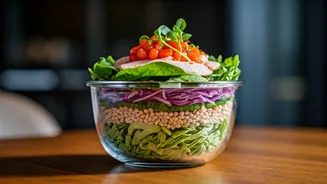
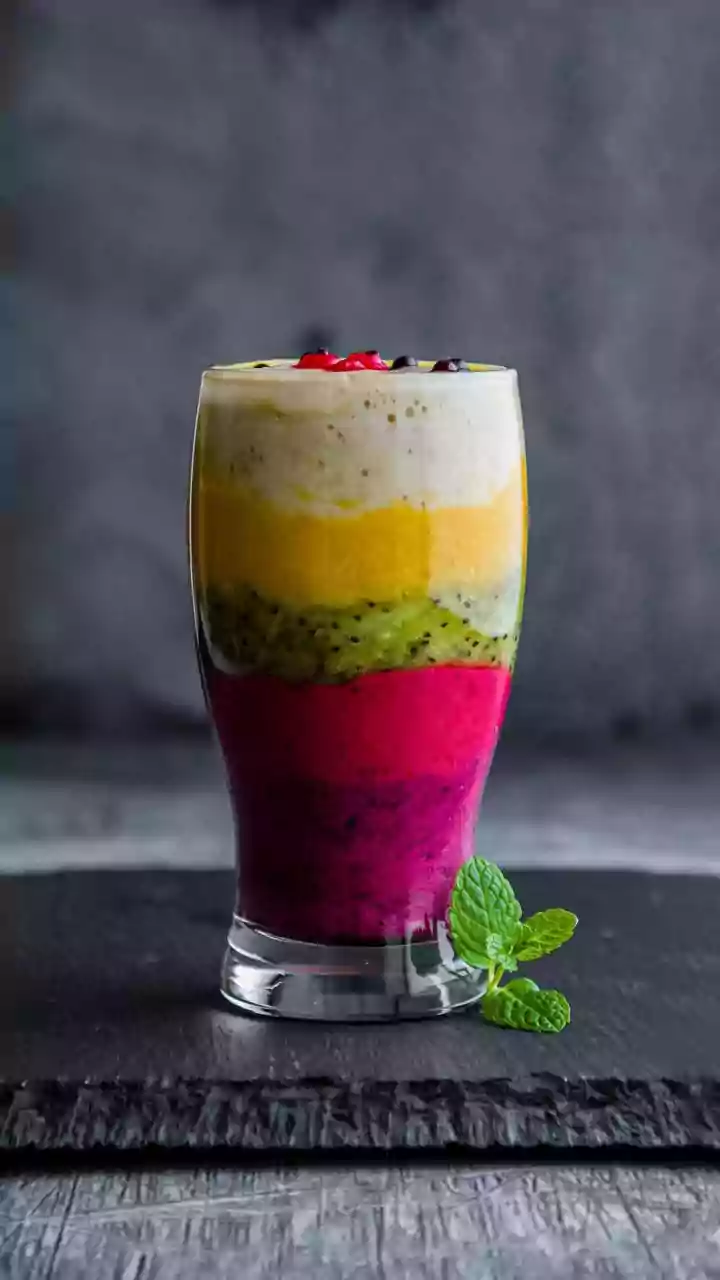
Forget your basic bowl of greens. This trend is all about verticality and visual appeal, often served in clear glass jars or transparent tiffin boxes. Each ingredient is carefully stacked in distinct, colorful bands, creating a rainbow effect that’s as pleasing
to the eye as it is to the palate. A typical construction starts with the dressing at the very bottom to prevent sogginess. Above that come hard, non-absorbent vegetables like chickpeas, corn, or diced carrots. Next are the grains or proteins—quinoa, grilled paneer, or chicken. Softer fruits and vegetables like avocado or tomatoes follow, and the delicate leafy greens like spinach or arugula are packed loosely at the very top. When it's time to eat, you simply shake the container to distribute the dressing, ensuring every bite is fresh, crisp, and perfectly coated.
A Modern Twist on the 'Dabba'
To understand the salad's rise, you have to understand Mumbai’s iconic 'dabbawala' system, a century-old network of delivery men who transport hot, home-cooked lunches in tiered metal containers ('dabbas') to office workers across the city. This new wave of layered salads is a direct evolution of that tradition, tailored for a new generation. While the classic dabba represents comforting, traditional home cooking, the layered salad signifies modern aspirations: wellness, efficiency, and a globalized palate. It’s still a pre-prepared, convenient lunch, but one that speaks the international language of health and clean eating. It’s the dabba for the startup era, reflecting a shift from hearty curries to nutrient-dense, calorie-conscious meals.
Designed for the Instagram Feed
In a world where you eat with your eyes first, the aesthetic component is non-negotiable. The clear container isn't just for practicality; it's a window into a meticulously crafted meal. Food delivery apps and health-focused cafes in Mumbai highlight the striking visuals in their marketing, knowing that a beautiful lunch is a shareable lunch. For busy professionals, posting a photo of their vibrant, healthy meal is a form of social currency. It signals that they are health-conscious, organized, and have discerning taste. This isn’t just lunch; it's a lifestyle statement, a small, edible piece of personal branding that fits perfectly into a curated Instagram feed between photos of weekend hikes and morning yoga.
The Engineering of Freshness
The layering isn't just for looks; it’s a brilliant feat of food engineering designed to solve the biggest problem with packed salads: sogginess. By keeping the wettest ingredients (the dressing) isolated at the bottom and the most delicate ones (the greens) protected at the top, the salad can be assembled in the morning and remain perfectly crisp and fresh until lunchtime. This structure is a game-changer for anyone who has suffered through a wilted, sad mess of a pre-dressed salad. It transforms the meal from a compromise into a genuinely enjoyable experience, preserving the distinct texture and flavor of each component until the moment of consumption. This practical benefit is a key driver of its popularity among time-poor but quality-conscious urbanites.
A Global Trend with Local Flavor
While salad jars are popular in cities like New York and Los Angeles, the Mumbai version incorporates distinctly Indian flavors and ingredients. You’ll find layers of spiced chickpeas, roasted masala sweet potatoes, paneer tikka, sprouts (moong), and dressings infused with tamarind, mint, or coriander. It’s a seamless fusion of a global health trend with the local palate. This adaptation makes the concept feel both aspirational and familiar. It shows how wellness trends are no longer just a Western export but are being creatively reinterpreted in major cultural hubs around the world, proving that a good idea—especially a delicious and beautiful one—can find a home anywhere.