






What Exactly Is Bamboo Fabric?
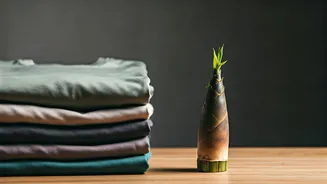
First, let's clear up a common misconception. When you see a label that says “bamboo,” you’re not wearing crushed-up pieces of a bamboo stalk. The vast majority of bamboo fabric on the market is technically bamboo viscose, also known as rayon. This is a semi-synthetic
fiber created by dissolving bamboo pulp in a chemical solution, then spinning it into threads. While the raw material is a natural, fast-growing plant, the manufacturing process transforms it completely. This is why the Federal Trade Commission (FTC) mandates that these products be labeled as “rayon made from bamboo.” It’s an important distinction because it separates the properties of the plant from the properties of the final fabric, which are a result of this man-made process.
The Ultimate Breathability Test
The number one reason athletes and fitness enthusiasts are drawn to bamboo-based fabrics is performance. For activewear, this comes down to two things: breathability and moisture management. Bamboo rayon excels at both. The micro-gaps and holes in the fiber’s cross-section create tiny channels that pull moisture away from your skin and allow it to evaporate quickly. This is known as moisture-wicking. Unlike cotton, which absorbs sweat and becomes heavy and damp, bamboo rayon helps keep you feeling drier and more comfortable throughout your workout. This superior airflow also helps with temperature regulation, keeping you cooler during intense exercise and warmer in cool conditions, making it a surprisingly versatile choice for everything from hot yoga to a chilly morning run.
Next-Level Softness and Comfort
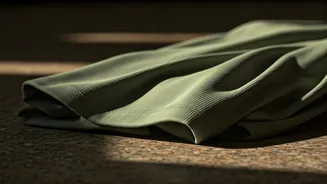
If you’ve ever touched a garment made from bamboo rayon, you know its signature quality: it’s incredibly soft. Often compared to high-end materials like silk or cashmere, it has a smooth, luxurious feel against the skin. This isn't just a matter of comfort; it's a functional benefit for activewear. The smooth fibers reduce friction, which means less chafing on long runs or during repetitive movements in a HIIT class. The fabric also drapes beautifully and often has a good amount of natural stretch (though most activewear blends it with spandex for enhanced four-way stretch and shape retention). This combination of softness and flexibility provides an unrestricted range of motion, letting you focus on your form, not your clothes.
The Complicated Truth About Sustainability
This is where things get tricky. The “sustainable” claim in the headline is a major selling point, but it requires a closer look. On one hand, bamboo as a plant is a sustainability hero. It’s one of the fastest-growing plants in the world, requires no pesticides or fertilizers, self-regenerates from its own roots, and needs very little water. However, the traditional process for turning bamboo into viscose rayon can be highly polluting. It often uses harsh chemicals like carbon disulfide, which can be harmful to factory workers and the environment if not handled in a closed-loop system where the chemicals are recaptured and reused. Some brands are turning to more eco-friendly processes, such as the lyocell method (often trademarked as TENCEL™), which uses a non-toxic solvent in a closed-loop system. If sustainability is your primary concern, look for brands that are transparent about their production process or specifically use bamboo lyocell.
Durability, Care, and What to Expect
Bamboo rayon activewear is generally durable, but it requires a bit more care than rugged synthetics like polyester. To preserve its signature softness and shape, it’s best to wash it in cold water on a gentle cycle and either tumble dry on low or, even better, hang it to dry. High heat can damage the fine fibers over time, leading to pilling or a loss of softness. While it’s naturally antibacterial and odor-resistant—another huge plus for gym clothes—it won’t last forever. But with proper care, high-quality bamboo activewear can be a long-lasting and incredibly comfortable staple in your workout rotation. When shopping, check the fabric blend. A touch of spandex or elastane is crucial for the stretch and recovery needed for squats, lunges, and dynamic movements.