





From Manicured to Meadow-Inspired
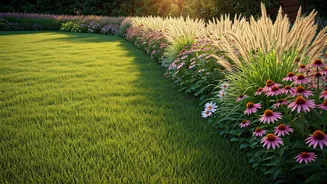
The shift is a fundamental rethinking of what a garden should be. For generations, the goal was control: neatly edged beds, imported ornamental flowers, and vast expanses of sterile, green turf that offered little to local wildlife. The new approach,
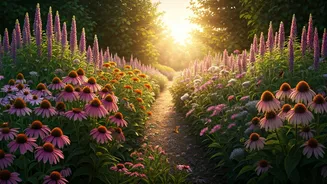
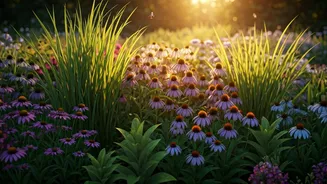
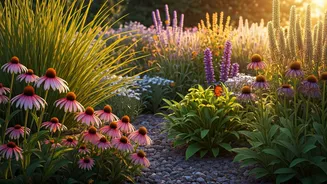
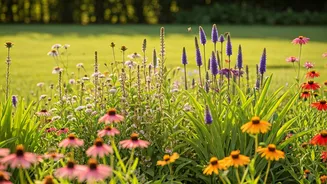
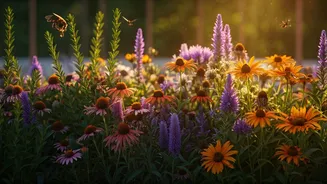
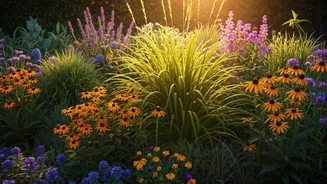
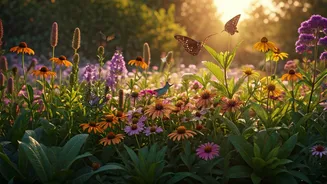
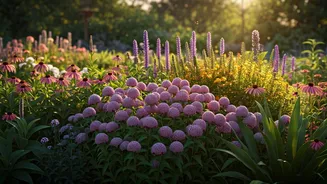
often called ecological gardening, rewilding, or meadowscaping, flips that script. It’s about creating a partnership with nature instead of fighting it. This movement prioritizes planting native species—the flowers, grasses, and shrubs that have evolved over millennia in your specific region. Instead of a garden that requires constant inputs of water, fertilizer, and pesticides to sustain plants from other continents, the goal is to build a self-sustaining ecosystem that thrives with minimal intervention. It’s a move away from aesthetics based on human-imposed order and toward a beauty that finds its form in buzzing bees, fluttering butterflies, and the resilient, natural cycle of local flora.
The Appeal of 'Less Is More'
So, why is this change so universally loved? A huge part of its appeal is that it’s simply easier. A yard filled with native plants adapted to the local climate requires significantly less water once established. They are naturally resistant to local pests and diseases, reducing the need for chemical treatments. And by replacing turfgrass with native groundcovers or a small patch of prairie, gardeners are liberating themselves from the weekly tyranny of the lawnmower. This isn't about letting your yard turn into an overgrown mess; it's about curated wildness. A well-designed native garden feels lush and dynamic, not neglected. The work shifts from constant, repetitive maintenance to seasonal, more thoughtful tasks like editing out aggressive seeders or cutting back perennials in the spring. For busy homeowners, this low-effort, high-reward proposition is a game-changer. It returns precious time to their weekends while creating a space that feels more alive.
Bringing Nature Home
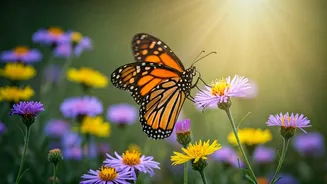
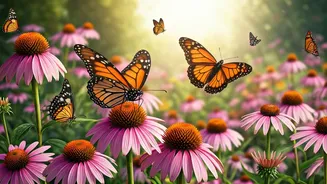
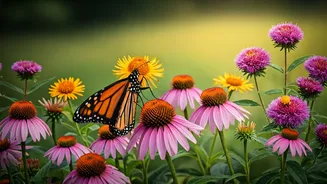
Beyond the practical benefits, this gardening shift offers a powerful emotional and ecological payoff. In an era of concern over climate change and biodiversity loss, it provides a tangible way for individuals to make a positive impact right outside their door. A garden filled with native milkweed, coneflowers, and goldenrod becomes a critical refueling station for monarch butterflies, bees, and other pollinators essential to our food supply. Adding a serviceberry or oak tree—keystone species in many regions—can support hundreds of species of caterpillars, which in turn become baby food for birds. Watching this ecosystem come to life is the biggest reward for many. The garden transforms from a static display into a dynamic habitat, a source of daily discovery. You start noticing the different types of bees, the goldfinches feasting on seed heads in the fall, and the fireflies blinking on a summer evening. It reconnects people to the natural world in an intimate, personal way, turning a private yard into a small but vital piece of a larger ecological puzzle.
How to Start the Shift
The beauty of this trend is its scalability. You don’t have to tear up your entire lawn overnight. The shift can start small. Begin by identifying a small, sunny patch of lawn to convert into a pollinator garden. Instead of planting another boxwood, choose a native shrub like a viburnum or dogwood. Visit a local nursery that specializes in native plants or use online resources like the National Audubon Society's native plants database to find species perfect for your zip code. Even a few pots on a balcony filled with native wildflowers can create an oasis for city-dwelling pollinators. The key is to reframe your thinking: every plant choice is an opportunity to support the local ecosystem. By letting go of the outdated ideal of a perfect, sterile lawn, you can create a garden that not only looks beautiful but also does a world of good.