






1. Slow Travel Is the New Luxury
The biggest shift isn't about where we go, but how. 'Slow travel' is the antidote to the whirlwind, ten-cities-in-ten-days tour. Instead of racing between landmarks, travelers are choosing to stay in one place longer, renting an apartment for a month
instead of a hotel for a weekend. The goal is immersion, not just observation. It’s about finding a favorite local coffee shop, learning a few phrases of the language, and understanding the rhythm of a place. This trend swaps the anxiety of a packed itinerary for the simple luxury of time, allowing for spontaneous discoveries and genuine connections that you just can't schedule.
2. The Great Train Comeback
For decades, the plane was the undisputed king of long-distance travel. But trains are chugging back into the spotlight, and it’s not just about nostalgia. As travelers become more conscious of their carbon footprint, rail travel offers a greener alternative. But the appeal is more than just environmental. Train journeys re-center the experience on the landscape. Instead of a sterile, high-altitude blur, you get a front-row seat to the countryside scrolling by. From scenic routes through the American Rockies to high-speed networks in Europe and Japan, travelers are rediscovering the romance of watching the world go by at a human speed.
3. 'Cool-cations' and Shoulder Season
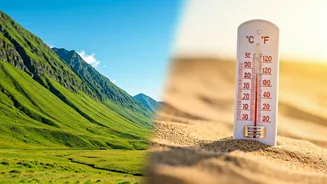
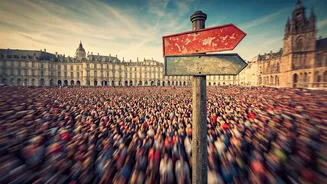
Scorching summer temperatures and overwhelming peak-season crowds have given rise to 'cool-cations'—trips planned specifically to escape the heat. More and more Americans are booking getaways to places like Iceland, Scandinavia, or the Pacific Northwest during July and August. This dovetails with a broader appreciation for the 'shoulder season' (the months just before and after peak season, like May or September). Traveling during these times isn't just more comfortable; it's often more affordable and authentic. The vibe is more relaxed, and you’re more likely to interact with locals than with a sea of other tourists, making for a much more pleasant and scenic experience in its own right.
4. From Tourist to Fan Pilgrim
Why visit Paris? For the Eiffel Tower, sure. But what if you went for a Taylor Swift concert instead? 'Gig-tripping'—traveling to another city or country to see a favorite artist—is booming. Similarly, 'set-jetting' has travelers building entire vacations around the filming locations of shows like *The White Lotus* or *Bridgerton*. This isn't just about seeing a landmark; it’s about participating in a cultural moment. These passion-led trips give travel a built-in purpose beyond simple sightseeing, creating a pilgrimage where the destination is deeply connected to a personal interest.
5. Beyond 'Leave No Trace'
For years, the gold standard for responsible tourism was to 'leave no trace.' But a new, more ambitious idea is gaining traction: regenerative travel. The question is no longer just 'How can I minimize my impact?' but 'How can I leave this place better than I found it?' This could mean anything from staying at hotels that invest in community projects to participating in local conservation efforts or supporting businesses that are reviving traditional crafts. It reframes the traveler from a passive consumer to an active, positive contributor, ensuring the 'scenic route' is preserved for everyone.