



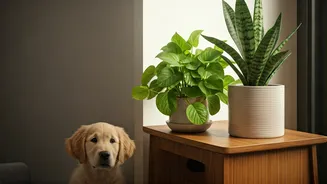


More Than Just Decoration
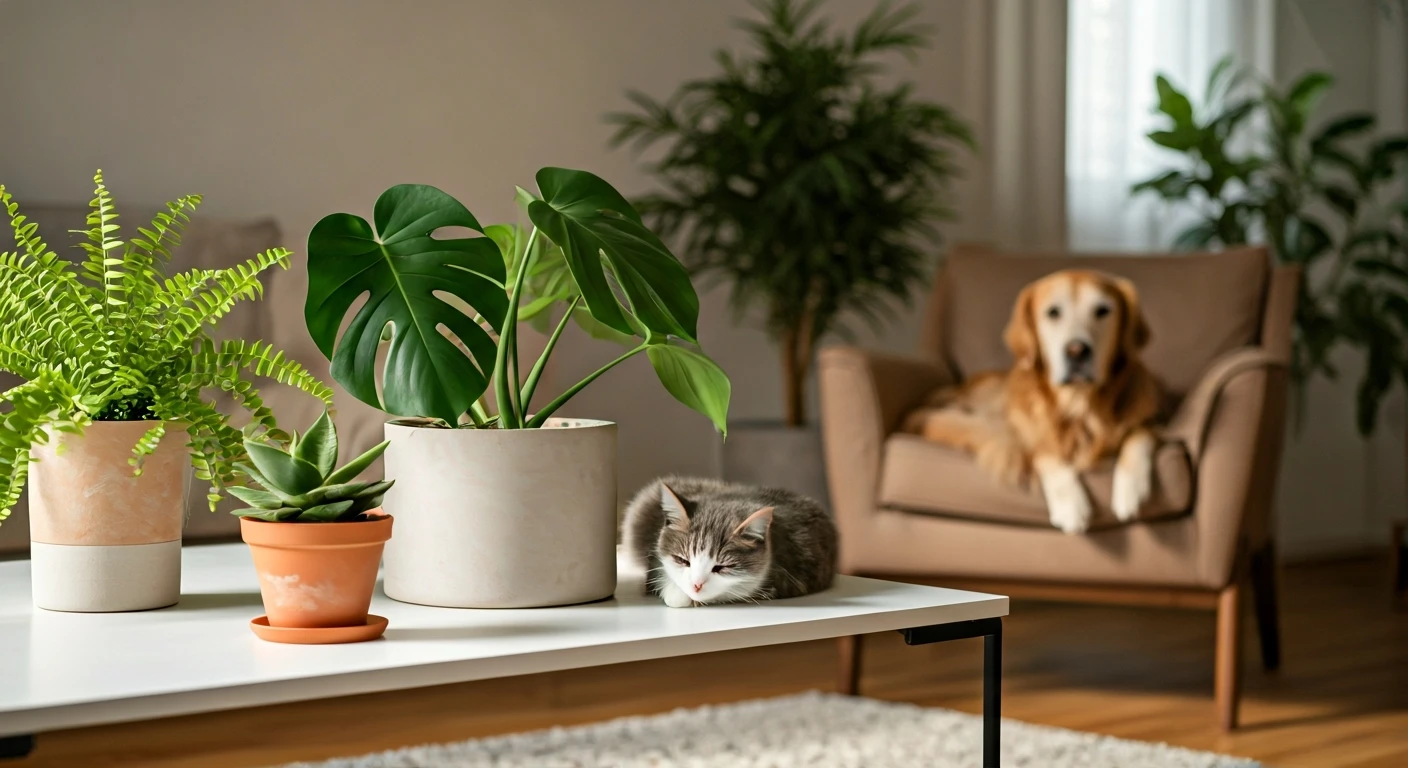
While solid scientific studies on plant-induced pet zen are scarce, the anecdotal evidence is compelling. The concept of biophilia—our innate tendency to seek connections with nature—suggests that what calms us may also soothe our animal companions. A
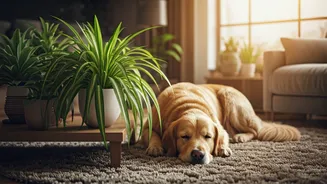
touch of green can soften a room's acoustics, and some plants may even subtly improve air quality. More importantly, plants provide sensory enrichment for pets. New, gentle smells and interesting textures can break up the monotony of an indoor environment, giving curious cats and dogs something new to investigate (safely, of course). This gentle stimulation can help reduce boredom-related anxiety and destructive behaviors, contributing to a more peaceful household atmosphere.
The Green List: Pet-Safe Picks
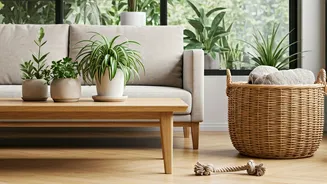
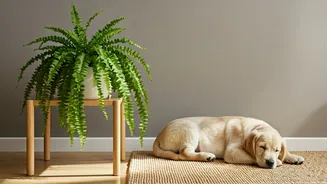
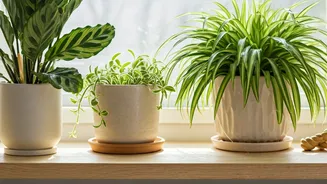
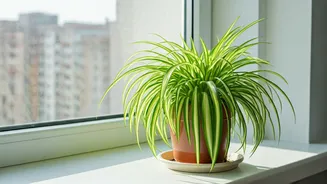
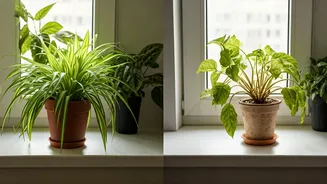
Getting started is easy if you know what to look for. The key is choosing plants that are non-toxic if nibbled. According to the American Society for the Prevention of Cruelty to Animals (ASPCA), these popular options are a great place to start: * **Spider Plant (Chlorophytum comosum):** This retro-cool favorite is famously resilient and completely safe for cats and dogs. Its dangly “spiderettes” can be tempting playthings for cats, so hang it high to keep the plant looking its best. * **Parlor Palm (Chamaedorea elegans):** If you want a tropical vibe without the risk, the parlor palm is your answer. This elegant, slow-growing palm thrives in lower light and is non-toxic to pets, making it a perfect floor plant for a living room corner. * **Boston Fern (Nephrolepis exaltata):** With its lush, feathery fronds, the Boston Fern adds a ton of texture and life to a room. It loves humidity and indirect light, and it’s perfectly safe for all your furry friends.
A Crucial Note on Toxicity
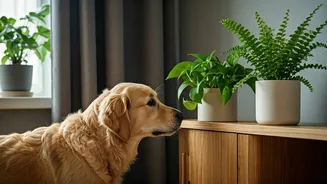
Here’s the most important rule of pet-centric gardening: when in doubt, assume it’s toxic. Many of the most common and trendy houseplants can cause anything from mild stomach upset to severe organ failure in cats and dogs. Lilies, for instance, are exceptionally dangerous for cats—even inhaling the pollen or drinking water from the vase can be fatal. The Sago Palm is another beautiful but incredibly poisonous plant that can cause liver failure. Your pet’s safety depends on your diligence. Before bringing any new plant into your home, a quick search of the ASPCA’s comprehensive plant database is a non-negotiable step.
The Red List: Popular Plants to Avoid
It’s just as important to know what *not* to buy. Many beautiful and popular plants are regulars on pet toxicity lists. Keep a careful eye out and avoid these common culprits: * **Lilies (Lilium species):** As mentioned, all parts of the lily are extremely toxic to cats and can cause kidney failure. * **Pothos / Devil's Ivy (Epipremnum aureum):** Loved for its vining leaves and low-maintenance nature, Pothos contains calcium oxalate crystals that cause painful irritation, swelling of the mouth, drooling, and vomiting if ingested. * **Snake Plant (Dracaena trifasciata):** This incredibly popular, architectural plant is unfortunately toxic to cats and dogs, causing nausea, vomiting, and diarrhea if eaten. * **Jade Plant (Crassula ovata):** A common succulent, the jade plant is toxic to pets and can lead to vomiting and depression.
Creating Your Pet-Friendly Oasis
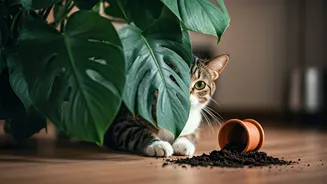
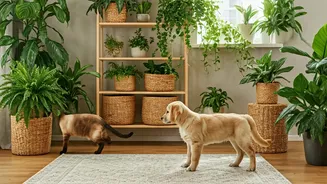
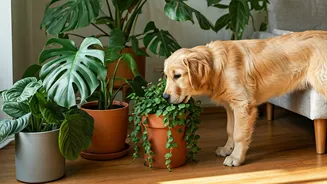
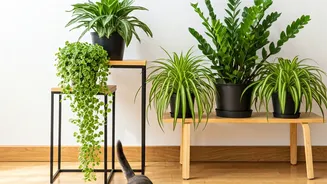
Once you’ve chosen your safe plants, placement is key to creating a harmonious environment. Consider your pet’s habits. If you have a cat that loves to climb, place plants on high, stable shelves or in hanging baskets they can’t easily reach. For dogs who might knock things over with a happy tail, use heavy ceramic pots that are difficult to topple. You can also make the soil less appealing to diggers by placing decorative, smooth river stones on top. Observe your pet's interaction with the new greenery. If they show an obsessive interest in chewing any plant—even a non-toxic one—it’s best to move it out of reach to prevent stomach upset from overindulgence.