


The Promise We All Bought
Walk down the wellness aisle of any grocery store and you’ll see it: a dizzying array of probiotic supplements, yogurts, kefirs, and kombuchas, all promising to balance your microbiome. The pitch was intoxicatingly simple. Our modern lifestyles—stress,
processed foods, antibiotics—were supposedly wiping out our beneficial gut bacteria. The solution? Repopulate the ranks with a daily dose of friendly microbes, delivered in a convenient capsule or a tasty snack. This idea fueled a multi-billion dollar industry. We were told these microscopic helpers could fix everything from bloating and indigestion to our immune systems and even our moods. It felt like a modern miracle, a biological software update for our insides. The logic was so clean and compelling that millions of Americans made probiotics a non-negotiable part of their daily routine, a small investment in the complex, invisible world of gut health.
The Problem with the Hype
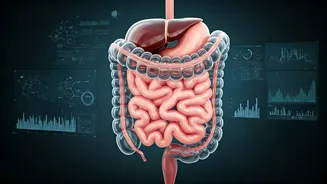
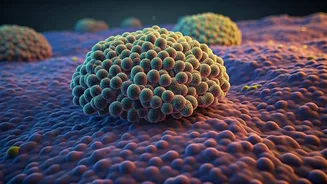
The trouble is, the human gut is less like an empty field waiting for new seeds and more like a dense, bustling rainforest. And the science is showing that just parachuting in a few billion units of one or two common bacterial strains—typically Lactobacillus or Bifidobacterium—isn't the silver bullet we hoped for. First, there’s the survival issue. Many microbes in supplements don’t even survive the acidic journey through the stomach to reach the intestines where they’re needed. Second, for a healthy person, your native gut bacteria are fiercely territorial. Newcomers often pass through without ever setting up a permanent colony. A groundbreaking 2018 study from the Weizmann Institute of Science found that for many people, probiotic supplements were essentially flushed out without changing their microbiome at all. Furthermore, the Food and Drug Administration (FDA) regulates probiotics as dietary supplements, not as drugs. This means manufacturers don’t have to prove their products are effective for the claims they make, only that they are safe for consumption. This lack of oversight has led to a Wild West marketplace where product quality and potency can vary wildly.
The Whole-Food Reality Check
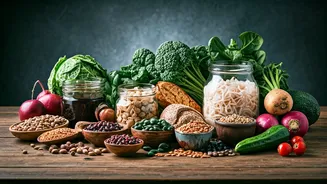
This is where the reality check comes in, and it’s a refreshingly simple one. Instead of focusing on adding new bacteria, a growing body of research suggests a better strategy is to nourish the trillions of beneficial microbes you already have. Think of it this way: probiotics are like scattering grass seed on your lawn, but prebiotics are the fertilizer that makes your existing turf lush and strong. What is this miracle fertilizer? It’s fiber. Specifically, prebiotic fiber found in a huge variety of plant foods. These are complex carbohydrates that your body can't digest, but your gut bacteria absolutely love to feast on. When they consume these fibers, they produce compounds like short-chain fatty acids (SCFAs), which are vital for reducing inflammation, strengthening the gut wall, and supporting overall health. The focus is shifting from repopulation to cultivation—tending the garden you’ve already got.
How to Actually Support Your Gut
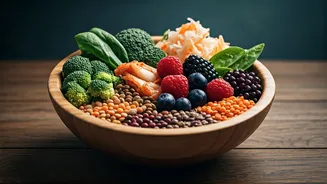
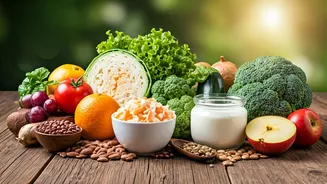
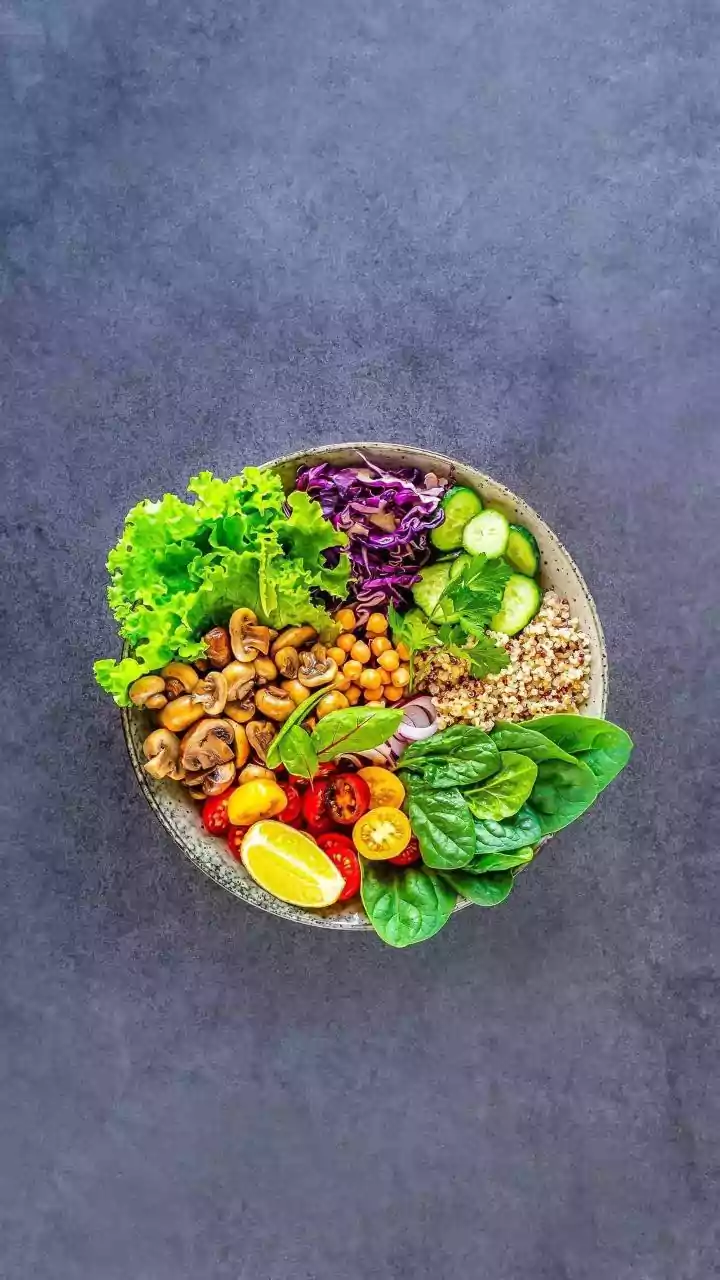
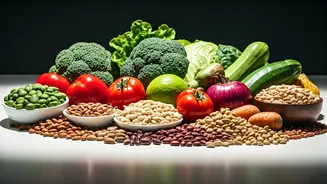
So, what does this look like on your plate? It's less about a single pill and more about diversity. The goal is to eat a wide variety of plants to feed a wide variety of microbes. First, load up on prebiotic-rich foods. This includes things like onions, garlic, leeks, asparagus, bananas (especially slightly green ones), oats, and barley. They are the primary fuel source for your gut ecosystem. Second, incorporate fermented foods. Unlike many supplements, foods like kimchi, sauerkraut, traditional pickles (the refrigerated kind), miso, and plain kefir contain a diverse community of live microbes. While they may not colonize your gut permanently, they interact with your existing microbiome as they pass through, contributing to a healthier environment. The key difference is diversity—fermented foods offer a complex team of players rather than the solo artists found in many capsules. This doesn't mean all probiotic supplements are useless. They can be very effective for specific medical conditions, like preventing diarrhea associated with antibiotic use. But for general wellness in otherwise healthy individuals, the evidence points overwhelmingly toward food.