




What Is Rain-Fed Travel?
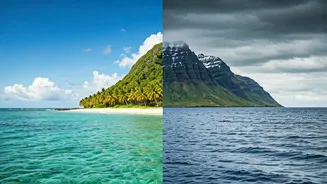
Forget the postcard-perfect blue skies you’ve been conditioned to chase. Rain-fed travel, or monsoon tourism, is the intentional act of visiting a destination during its wettest season. In India, this means traveling between June and September, when the southwest
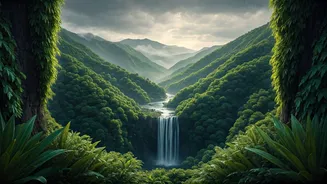
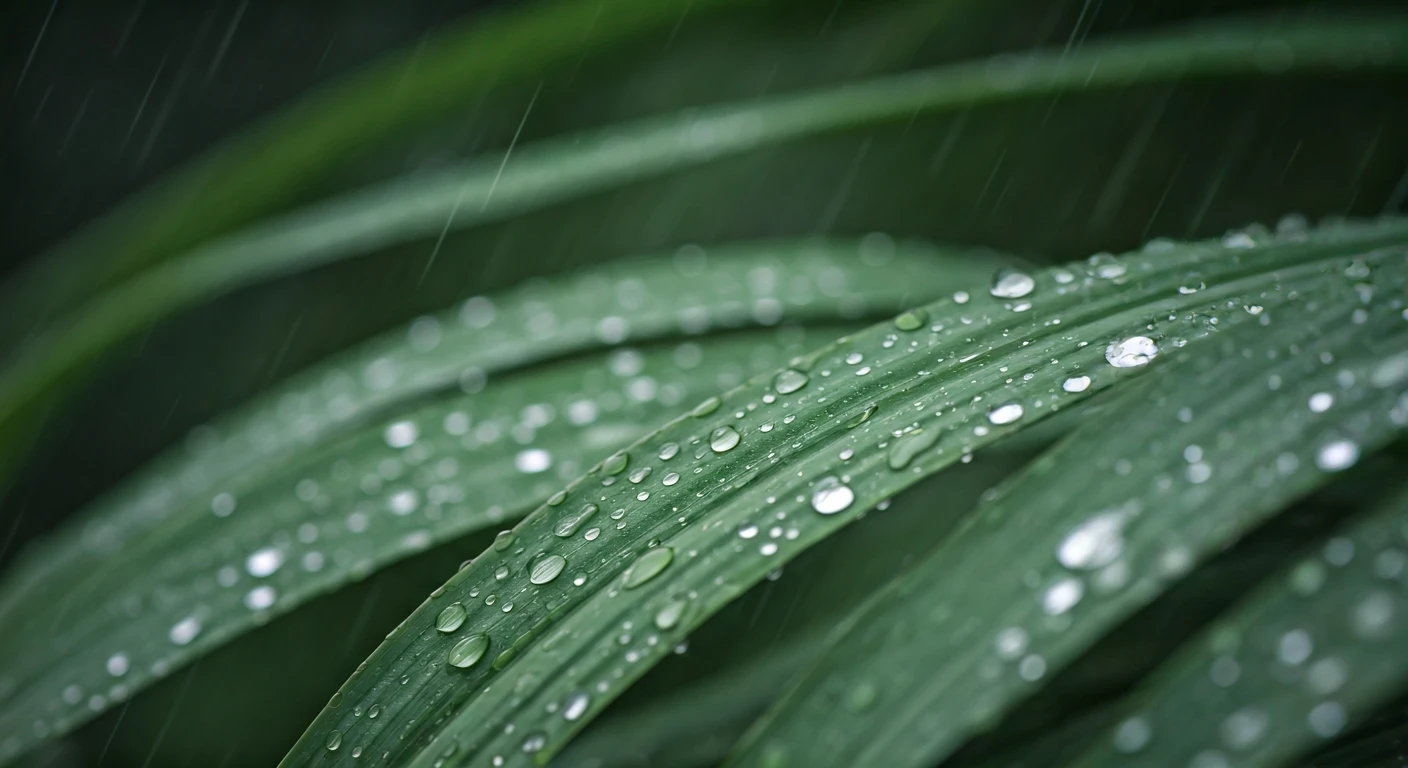
monsoon sweeps across the subcontinent, transforming dusty landscapes into lush, vibrant wonderlands. It’s a complete shift in perspective. Instead of seeing rain as an inconvenience that ruins plans, travelers are viewing it as the main event—a dramatic, life-giving force that offers a completely different sensory experience. It’s about smelling the petrichor rise from the parched earth, watching waterfalls swell from trickles to torrents, and seeing ancient palaces reflected in shimmering puddles. This isn't about huddling indoors; it's about engaging with a landscape at its most dynamic and alive.
The Appeal of “Green” Travel
The headline’s claim of being the “greenest” mood isn’t just a turn of phrase; it’s rooted in the principles of sustainable tourism. Firstly, monsoon travel is de facto off-season travel. This means fewer crowds, which immediately reduces the strain on fragile ecosystems and local infrastructure. Popular sites are more serene, giving visitors a more personal connection to the place. Economically, it provides a vital lifeline to local communities, offering income during a period that was once a financial dead zone. Environmentally, the benefits are clear. You are witnessing nature in a state of regeneration. The rain replenishes groundwater, nourishes forests, and cools the atmosphere naturally. By choosing to travel during this time, you are supporting a destination’s natural cycle rather than demanding it perform for you during the dry, resource-intensive peak season.
Monsoon Magic: Where to Go
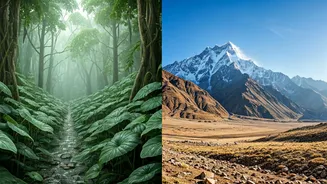
Different parts of India offer unique monsoon experiences. In Kerala, known as “God’s Own Country,” the famous backwaters take on an ethereal quality. Drifting on a houseboat while rain patters on the thatched roof is a meditative experience unlike any other. The state’s verdant hills, home to tea plantations and spice gardens, are washed clean, their colors deepening to impossible shades of green. In Rajasthan, a state famous for its desert forts, the monsoon performs a miracle. The ochre landscapes around Udaipur and Jaipur are tinged with green, and its lakes, like Lake Pichola, fill to the brim, offering romantic boat rides against a backdrop of stormy skies. Meanwhile, in Goa, the party-centric beaches quiet down, revealing a slower, more soulful side of the state focused on lush scenery, spicy vindaloo, and local charm.
A Deeper Cultural Connection
The monsoon is deeply embedded in India’s cultural and spiritual fabric, and traveling during this time offers a unique window into this relationship. Many regional festivals celebrate the arrival of the rains, which signify prosperity and renewal after the scorching summer heat. It’s also considered the ideal time for Ayurvedic treatments. According to ancient wisdom, the body is most receptive to healing therapies when the air is cool, moist, and dust-free. Wellness retreats in Kerala see a surge in visitors seeking Panchakarma, a detoxification and rejuvenation program. For food lovers, the monsoon brings its own culinary delights, from hot, crispy pakoras (fritters) and chai enjoyed at roadside stalls to seasonal vegetables that only appear during the rains. It’s a chance to experience a culture not as a static display, but as a living, breathing entity responding to the rhythm of the seasons.
Why 2026? A Trend Reaches Critical Mass
The prediction that this will be a dominant “mood” by 2026 speaks to larger shifts in travel consciousness. The post-pandemic traveler is increasingly wary of overtourism and seeking more authentic, meaningful experiences. There’s a growing backlash against the “Instagram-perfect” trip in favor of trips that are messy, real, and transformative. Rain-fed travel fits this zeitgeist perfectly. It’s a conscious choice to sidestep the peak-season frenzy and connect with a place on its own terms. As more travelers share their stunning, moody photos of rain-slicked streets and cloud-wreathed hills, the perception of the monsoon is shifting from a liability to an asset. By 2026, what is now a niche pursuit is expected to be a well-established option for discerning travelers looking to see a different, more profound side of India.