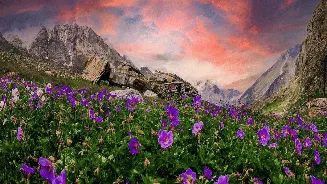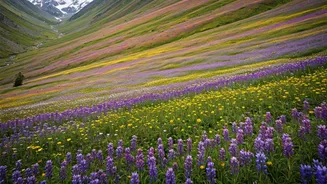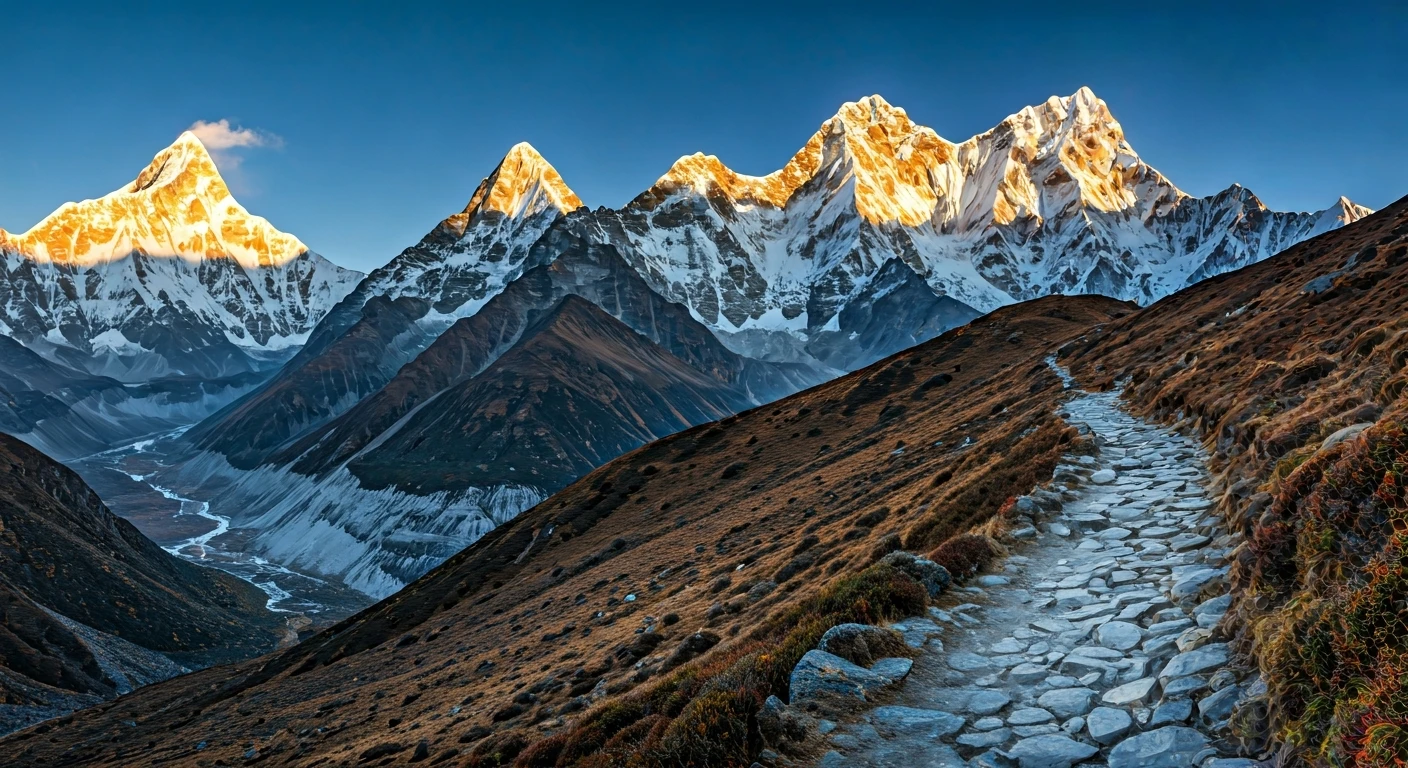


Embrace the Narrow Window
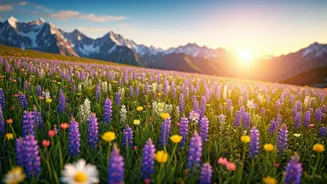
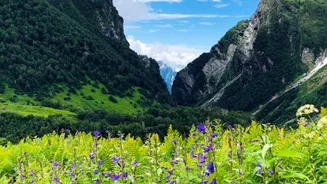
The magic of the Valley of Flowers is fleeting. For most of the year, it’s buried under deep snow. The spectacle only reveals itself during the brief monsoon season, typically from late June to early October. The absolute peak bloom, when the floral tapestry
is at its most vibrant, usually occurs in July and August. This narrow window dictates everything. It means you are not only planning around your own schedule but also around the mountain's. Flights into India and connecting travel to the state of Uttarakhand get booked quickly for these months, so locking in your travel dates 6 to 9 months in advance is not overly cautious—it's essential.
The Journey to the Trailhead
The trek to the Valley of Flowers doesn't start at an airport. The journey itself is an adventure. Most travelers fly into Delhi, then travel to Rishikesh or Haridwar, the spiritual gateways to the Garhwal Himalayas. From there, it’s a long, winding, and stunningly beautiful road trip (often taking a full day or more) to the village of Govindghat or, more recently, Pulna, which serves as the base for the trek. You can hire a private car or take shared taxis. Because this drive is arduous, plan for an overnight stay in a town like Joshimath to acclimate to the altitude and break up the travel before you even begin to hike. Booking your driver and hotels along this route well in advance is critical, especially during peak season.
Secure Your Permits and Guides
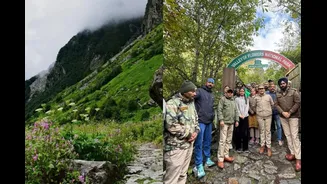
This is not a park you can simply wander into. As part of the Nanda Devi Biosphere Reserve, access is controlled to protect the fragile ecosystem. You will need a permit, which is typically checked at the entry point just beyond Ghangaria, the final settlement before the valley. While permits can sometimes be arranged on-site, it’s far smoother to work with a local trekking agency that can handle the paperwork for you. A guide is also highly recommended. They are not just for navigation; local guides are invaluable sources of knowledge about the flora and fauna, and they ensure you stay on designated paths, which is crucial for conservation. Many agencies offer all-inclusive packages covering permits, guides, porters, and accommodation.
Pack for Four Seasons in a Day
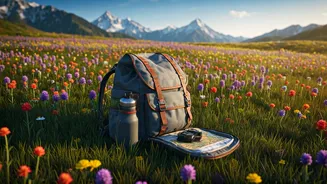
High-altitude trekking during monsoon season means preparing for everything. A sunny morning can turn into a cold, rainy afternoon in minutes. Your packing list is your best friend. Essentials include a waterproof and windproof jacket, multiple layers of fleece or wool, quick-drying trek pants (not jeans), and sturdy, broken-in waterproof hiking boots. Sun protection is non-negotiable: sunglasses, a wide-brimmed hat, and high-SPF sunscreen are vital due to the thin air at altitude. Also pack a basic first-aid kit, any personal medications, and a reusable water bottle. A waterproof cover for your backpack will save your gear during an unexpected downpour.
Prepare Your Body for the Altitude
The Valley of Flowers sits at an elevation of about 12,000 feet. The trek to the base camp at Ghangaria (around 10,000 feet) is a significant ascent. While you don’t need to be a professional mountaineer, a solid level of cardiovascular fitness is required. Start a training regimen at least two to three months before your trip. Focus on activities that build endurance, like jogging, cycling, or stair climbing. Most importantly, respect the altitude. The trek is typically structured to allow for gradual acclimatization. Don't rush the ascent, stay hydrated, and listen to your body. The mantra of the mountains is 'climb high, sleep low,' and the itinerary is designed to help you do just that.