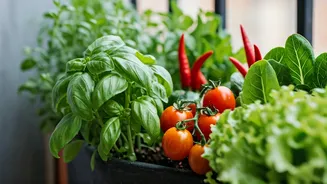



Start with the Overachievers: Herbs
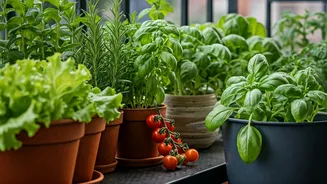
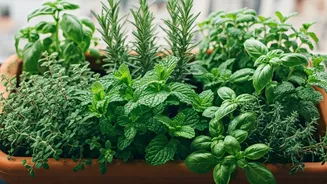
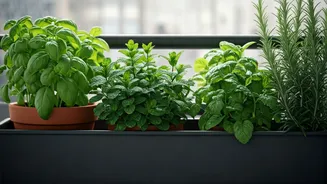
If you do nothing else, start an herb garden. They are the MVPs of small-space edibles, offering the highest flavor-to-space ratio. A few pots can completely transform your cooking. Begin with the hardiest and most versatile options. Mint is nearly indestructible
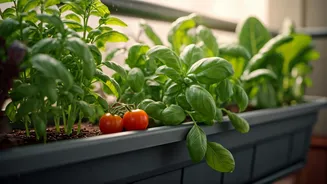
(keep it in its own pot, as it will aggressively take over), perfect for teas and cocktails. Chives are a cut-and-come-again powerhouse, adding a mild onion flavor to everything from eggs to potatoes. Rosemary and thyme are drought-tolerant Mediterranean natives that thrive on sunny, neglected corners of a balcony. For a slightly more demanding but incredibly rewarding option, plant basil. It loves sun and consistent moisture, and a single healthy plant can provide enough leaves for pesto, pasta sauces, and caprese salads all summer long.
Grow Your Own Salads with Leafy Greens
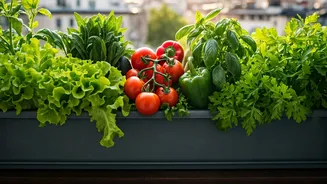
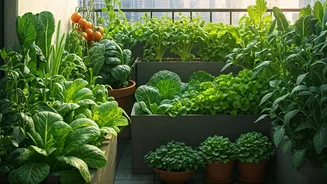
Forget the bagged salads from the grocery store. Many leafy greens are perfectly suited for container life, especially loose-leaf lettuce varieties, spinach, and arugula. These plants don't require deep soil and can be grown in rectangular window boxes to maximize space. The key is practicing 'succession planting.' Sow a new small batch of seeds every two weeks. This ensures you have a continuous supply of fresh greens ready for harvesting, rather than a single, overwhelming glut. For a cut-and-come-again harvest, simply snip the outer leaves of the lettuce head, leaving the central part to continue growing. This method can keep a single plant producing for weeks.
Choose High-Yield, Compact Vegetables
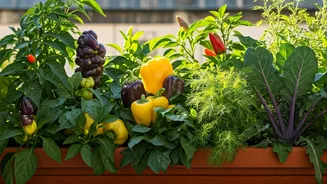
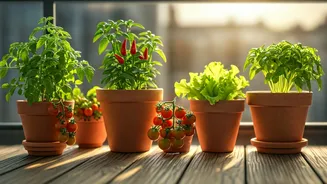
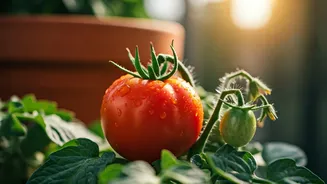
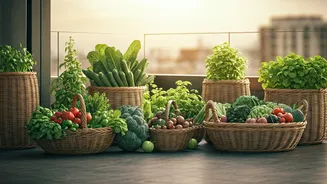
This is where careful plant selection becomes critical. You can't plant a sprawling pumpkin vine, but you can absolutely grow delicious vegetables. Look for varieties described as 'bush,' 'patio,' 'dwarf,' or 'determinate.' A 'determinate' tomato plant, for example, grows to a fixed, compact size and produces its fruit in a concentrated period—perfect for a pot. A single cherry tomato plant in a large container (at least 5 gallons) can produce hundreds of sweet, snackable fruits. Bush beans are another winner, providing a generous harvest without needing a massive trellis. Similarly, many varieties of peppers, both sweet and hot, thrive in pots and add a vibrant splash of color and flavor to your balcony and your dishes.
Think Vertically to Maximize Space
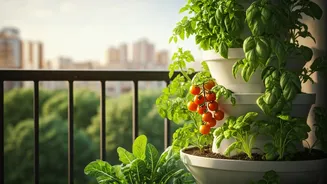
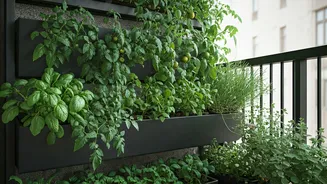
On a small balcony, the only way to go is up. Vertical space is your most valuable, untapped resource. Install a simple trellis against a wall for climbing plants like peas or certain types of pole beans. Use railing planters to free up floor space. Hanging baskets are not just for flowers; they are an ideal home for trailing strawberries or tumbling tomato varieties. You can even find stackable planters, which create a tower of green that takes up a tiny footprint while offering multiple pockets for different plants. By growing vertically, you can effectively double or triple your growing area without adding a single square foot to your balcony's floor plan.
Get the Foundation Right: Pots and Soil
Your success hinges on what your plants are growing in. Do not use soil from your backyard; it will compact in a pot, suffocating roots and introducing pests. Invest in a quality potting mix designed for containers, which is formulated to retain moisture while also allowing for good drainage. As for pots, bigger is often better. Larger pots hold more soil, which means they hold more moisture and nutrients, making them more forgiving if you forget to water on a hot day. A small pot dries out in hours. Ensure every pot has drainage holes. Without them, water will pool at the bottom, leading to root rot—the number one killer of container plants. While fabric grow bags might not be as decorative, they are excellent for promoting healthy roots and preventing plants from becoming root-bound.