
More Than a Cube of Cheese
Forget the image of a lone employee with a tray of cheese cubes and toothpicks. The modern tasting experience is a far more sophisticated and intentional affair. It’s the curated flight of non-alcoholic spirits at a high-end bar, allowing you to explore
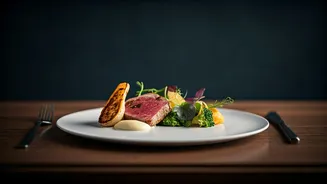
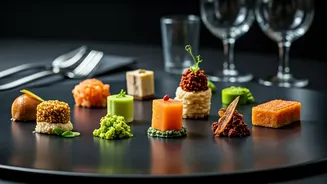
the botanical nuances of brands like Seedlip or Ghia before committing to a $40 bottle. It’s the multi-vendor food hall where a group of friends can share small plates from a dozen different emerging chefs, effectively taste-testing new cuisines in a single evening. These events are no longer just passive sampling; they are active, experiential, and often, paid. Consumers are willing to spend money on tasting menus, subscription boxes, and ticketed pop-ups because they offer something traditional marketing can’t: a sense of discovery and personal vetting. This shift transforms the taster from a mere consumer into a co-curator of their own palate, giving them a stake in what they choose to eat and drink.
The 'Aha!' Moment Economy
So, why is this format so powerful? It taps directly into the psychology of discovery. In a world saturated with digital ads and sponsored influencer posts, the act of tasting is refreshingly analog and authentic. You can’t fake a flavor. That immediate, sensory “aha!” moment—when a complex coffee note hits, or a surprisingly delicious hot sauce proves its worth—creates a powerful emotional connection that an Instagram ad simply can’t replicate. This is the “try before you buy” model on steroids. For emerging or niche products, it’s a game-changer. Think about oat milk. Years ago, it was a fringe product. But cafés began offering it as a tasting option alongside soy and almond. Baristas would let customers sample a small amount in their latte. That direct experience, repeated millions of times, allowed consumers to decide for themselves, bypassing skepticism and building a loyal following from the ground up. Tastings de-risk the new and make adventure accessible.
From Tasting Flight to TikTok Trend
The path from a niche tasting to a full-blown national trend is now shorter than ever. A decade ago, a new flavor profile might have taken years to move from high-end restaurants to supermarket shelves. Today, the cycle is hyper-accelerated by social media. A unique tasting experience—like a flight of different regional hot honeys or a platter of birria tacos—is inherently photogenic and shareable. Someone documents their discovery on TikTok or Instagram, their followers get curious, and a ripple effect begins. Food brands and restaurants are keenly aware of this, designing their tasting events to be as 'grammable' as they are delicious. The rise of the sober-curious movement is a prime example. Nonalcoholic bars and pop-ups gave people a physical space to taste complex, adult mocktails, share their experience online, and build a community around a new way of drinking. The tasting event became the content, fueling a cultural shift.
Your Mailbox Is the New Tasting Menu
The tasting phenomenon isn't limited to physical venues. The explosion of subscription boxes has turned our own homes into private tasting rooms. Whether it’s a curated selection of global snacks from Universal Yums, a monthly delivery of artisanal coffees from Trade, or a wine club shipment from Winc, these services are built entirely on the principle of guided tasting. Each box is an invitation to explore flavors you might never have picked up on your own. The accompanying literature often explains the origin, flavor notes, and story behind each product, educating the consumer and deepening the experience. This model allows small-batch producers from across the country—or the world—to get their products directly into the hands of adventurous consumers, bypassing the fierce competition for limited grocery store shelf space. It’s a distributed, nationwide tasting event happening every month in thousands of kitchens.