




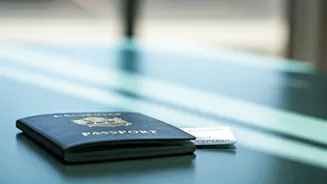

1. Visas Are (Mostly) a Breeze
The term 'easy entry' starts with the most literal barrier: paperwork. For American passport holders, many of the region’s hotspots have remarkably friendly visa policies. Thailand, a perennial favorite, offers a 30-day visa exemption on arrival, recently
extended to 60 days. Vietnam has a straightforward e-visa system that can be completed online in a few days. Malaysia and the Philippines offer similar visa-free stays. This lack of bureaucratic friction is a massive advantage for a generation accustomed to instant gratification. Instead of navigating complex embassy appointments, travelers can book a flight and sort out the entry requirements with minimal fuss, making spontaneous trips a reality.
2. Your Dollar Goes a Long Way
Let’s be honest: budget is everything. While a trip to Europe can drain a bank account in a week, Southeast Asia offers incredible value. Gen Z, often in the early stages of their careers or still in school, can stretch their savings further here than almost anywhere else. A delicious, full meal from a street vendor in Bangkok might cost $2. A private room in a clean, stylish hostel in Hoi An, Vietnam, can be had for $15. Even splurges, like scuba diving in the Philippines or visiting the ancient temples of Angkor Wat in Cambodia, are significantly more affordable than comparable experiences elsewhere. This economic accessibility is a powerful magnet, turning a two-week vacation into a potential two-month adventure.
3. It’s Built for the Main Feed
Southeast Asia is relentlessly photogenic. From the turquoise lagoons of El Nido and the iconic rice terraces of Bali to the lantern-lit streets of ancient towns, the region provides a constant stream of content-ready moments. For a digital-native generation, the visual appeal is a huge part of the draw. It’s not just about bragging rights; it's about participating in a visual culture. The aesthetic is a mix of natural wonder, ancient history, and modern cafe culture that plays perfectly on platforms like Instagram and TikTok. Travel companies and local businesses have leaned into this, creating Instagrammable cafes, photo-op tours, and unique stays that are designed to be shared.
4. The Path Is Already Paved
While it may feel like a new discovery for some, Southeast Asia has a decades-old backpacker trail. This established infrastructure makes it incredibly easy for first-time solo travelers to navigate. A reliable network of hostels, tourist-focused bus routes, and local travel agencies exists in virtually every major hub. Want to get from Chiang Mai to Pai in Thailand? There’s a minivan service for that. Need to book a boat tour in Ha Long Bay? Dozens of operators are a click away. This well-worn path removes much of the anxiety associated with traveling in unfamiliar territory. You’re never truly alone, and advice from fellow travelers is always available, creating a sense of community and safety.
5. The Rise of the Digital Nomad
The pandemic normalized remote work, and Gen Z is taking full advantage. Southeast Asia, particularly places like Bali, Chiang Mai, and Da Nang, has emerged as a global hub for digital nomads. The appeal is a perfect storm of the factors above: low cost of living, good weather, reliable-enough internet, and a massive community of like-minded remote workers. This isn't just a long vacation; for many, it's a lifestyle. They can work a few hours a day from a coworking space or a beachfront cafe and spend the rest of their time exploring. This trend has created a subculture that is particularly attractive to a generation that values flexibility and life experience over a traditional 9-to-5 office job.