




The Rise of the Floating Hotel
Forget bustling city hotels and crowded beach resorts. A different kind of vacation is making waves across India, offering travelers a unique blend of tranquility, privacy, and immersion in nature. The concept is simple: stay on a houseboat. Once a niche
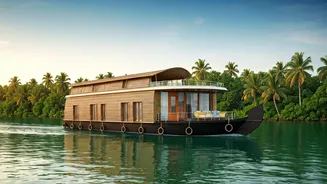
experience largely confined to the serene backwaters of Kerala, houseboat tourism has blossomed into a full-fledged national trend. These are not your average houseboats. Known in Kerala as *kettuvallams*, these vessels were originally used to transport rice and spices through the intricate network of lakes, canals, and lagoons. Today, they have been masterfully converted into floating accommodations, ranging from rustic, single-bedroom barges to opulent, multi-level suites with air conditioning, private chefs, and sun decks. This shift from cargo carrier to chic retreat is at the heart of one of India's most compelling new travel movements.
Beyond the Kerala Backwaters
While Kerala remains the epicenter of houseboat culture, the trend is no longer exclusive to its southern shores. In the far north, the placid waters of Dal Lake in Srinagar, Kashmir, are home to famously ornate houseboats, some dating back to the British Raj. These floating palaces, crafted from fragrant cedar wood and adorned with intricate carvings, offer a different kind of stillness amidst the stunning backdrop of the Himalayas. Travelers are rediscovering these historic vessels as a way to experience the region's unique culture and breathtaking scenery. Meanwhile, in the sun-drenched state of Goa, known for its vibrant nightlife and beaches, a quieter scene is emerging on the Chapora River. Here, houseboats provide a peaceful alternative to the coastal party scene, allowing visitors to explore mangrove forests, spot birdlife, and enjoy the state’s lush interior from the comfort of their private deck. The trend is even popping up in West Bengal's Sundarbans, offering a unique base for exploring the world's largest mangrove forest.
The Appeal of a Private Paradise
So, what’s driving this floating phenomenon? The answer lies in a fundamental shift in traveler priorities, accelerated by the post-pandemic landscape. After years of social distancing, the desire for private, self-contained experiences has skyrocketed. A houseboat is essentially a personal, mobile bubble. There are no crowded lobbies, shared elevators, or busy dining halls. Your itinerary is your own, dictated by little more than your whim and the gentle current. It’s the ultimate form of “slow travel.” The journey itself becomes the destination. Instead of rushing from one sight to another, you’re drifting past sleepy villages, watching fishermen cast their nets, and witnessing daily life unfold along the riverbanks. This provides a level of cultural immersion that a traditional hotel simply can’t match. For American travelers seeking an authentic and unhurried experience of India, a houseboat offers a front-row seat to the country’s serene, natural beauty.
From Rustic Charm to Floating Luxury
The beauty of this trend is its accessibility. There isn't one-size-fits-all. For a more traditional experience, you can book a simple, coir-thatched boat with a small crew who cook up delicious, local Keralan cuisine using freshly caught fish and produce bought from riverside vendors. These trips are intimate, rustic, and deeply connected to the local way of life. On the other end of the spectrum, luxury operators have entered the market with vessels that are essentially five-star boutique hotels on water. These premium boats feature multiple bedrooms with en-suite bathrooms, glass-walled dining rooms, top-deck jacuzzis, and Wi-Fi. They cater to travelers who want the seclusion and scenery without sacrificing modern comforts. This diversity means that whether you’re a backpacker on a budget or a family seeking a high-end getaway, there’s a houseboat experience waiting for you.