


The Arctic Frontier: Svalbard, Norway
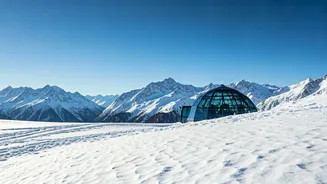
If you want to feel like you’ve reached the edge of the world, Svalbard is your spot. This Norwegian archipelago, floating in the Arctic Ocean between the mainland and the North Pole, is a land of dramatic glaciers, vast ice fields, and more polar bears
than people. In winter, you can chase the ethereal Northern Lights during the unending Polar Night; in summer, the midnight sun offers 24 hours of daylight for wildlife watching and glacier hiking. The hack here is its surprisingly simple access. While not in the EU or Schengen Area, Svalbard has a unique visa-free status. For Americans, this means you can fly into mainland Norway (which is in the Schengen zone and visa-free for U.S. tourists for up to 90 days) and then catch a flight to Svalbard without any extra immigration fuss. It’s an extreme, otherworldly adventure without the bureaucratic nightmare.
Ice Giants and Inuit Culture: Greenland
Greenland is not just a big island of ice; it’s an autonomous territory of Denmark with a rich Inuit heritage and a landscape that defies scale. Think colossal icebergs calving into deep-blue fjords, whales breaching in icy waters, and colorful villages clinging to rugged coastlines. It’s a destination for true explorers who want to witness the raw power of nature. Activities range from dog sledding and snowmobiling to kayaking among ice giants and hiking on the massive ice sheet itself. For U.S. citizens, the travel logistics are refreshingly straightforward. As part of the Kingdom of Denmark, Greenland is covered by the same Schengen agreement, allowing Americans to visit for up to 90 days without a visa. It’s a journey to a place that feels ancient and monumental, yet is remarkably accessible.
Fire, Ice, and Fewer Crowds: Iceland in Winter
Iceland in the summer is a known quantity: beautiful, but famously crowded and expensive. The real hack is to visit between October and March. The crowds thin out, prices for flights and accommodations dip, and the country transforms into a starkly beautiful winter wonderland. This is prime time for the Northern Lights, which often put on a spectacular show over snow-dusted volcanic landscapes. You can explore glittering ice caves, hike on glaciers, and soak in geothermal lagoons like the Blue Lagoon (or a less-crowded alternative) while snowflakes fall around you. As a member of the Schengen Area, Iceland offers visa-free travel for American tourists. By shifting your travel calendar by a few months, you trade the green summer fields for a more dramatic, mystical, and budget-friendly Icelandic experience.
The Accessible North: Canada’s Yukon
Looking for a world-away adventure that’s practically in your backyard? Head to Canada's Yukon territory. For Americans, this is the easiest cold-weather trip on the list: no visa required, no new currency to learn if you pay by card, and for many on the West Coast, minimal jet lag. The Yukon offers a quintessential northern experience, from the Klondike Gold Rush history of Dawson City to the stunning wilderness of Kluane National Park. In winter, it’s a premier destination for watching the aurora borealis, with dedicated viewing centers and tours available. You can also try your hand at dog sledding, ice fishing, or simply cozying up in a cabin. The hack is its simplicity. You get all the epic northern adventure with none of the logistical hurdles of a trans-oceanic flight.
A Southern Hemisphere Surprise: Patagonia in Winter
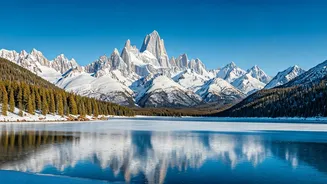
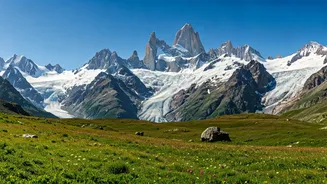
Here's the ultimate counterintuitive hack: find a cold trip during our own summer. While the Northern Hemisphere swelters from June to August, winter has taken hold in Patagonia, the rugged region spanning southern Chile and Argentina. The jagged peaks of Torres del Paine and Fitz Roy are draped in snow, the crowds of peak season are gone, and the landscapes feel even more wild and remote. This is the time for snowshoeing, winter trekking, and enjoying the solitude of one of the world's most breathtaking places. Both Chile and Argentina offer visa-free entry for U.S. citizens. By flipping the seasons, you can escape the summer heat, avoid the peak-season Patagonian crowds, and have an incredible cold-weather adventure when you least expect it.