
1. The Financial Drain
The first cost is the most obvious: your money. The aesthetic fitness economy runs on the idea that you need *things* to look the part. It starts with a matching set of Lululemon-dupe leggings and a crop top, but it rarely ends there. Soon, you’re convinced
you need the specific pre-workout powder that your favorite influencer sips in their sunrise story, the $150-a-month workout app with “exclusive” content, or the expensive meal-replacement shake promising to “shred” fat. This ecosystem is designed to monetize insecurity. Unqualified influencers, often with no credentials beyond a large following, become sales funnels for supplements, diet plans, and coaching services that may have no scientific backing. Before you know it, you’ve spent hundreds of dollars not on certified professional guidance, but on the *appearance* of a healthy lifestyle.
2. The Physical Toll of Performative Workouts
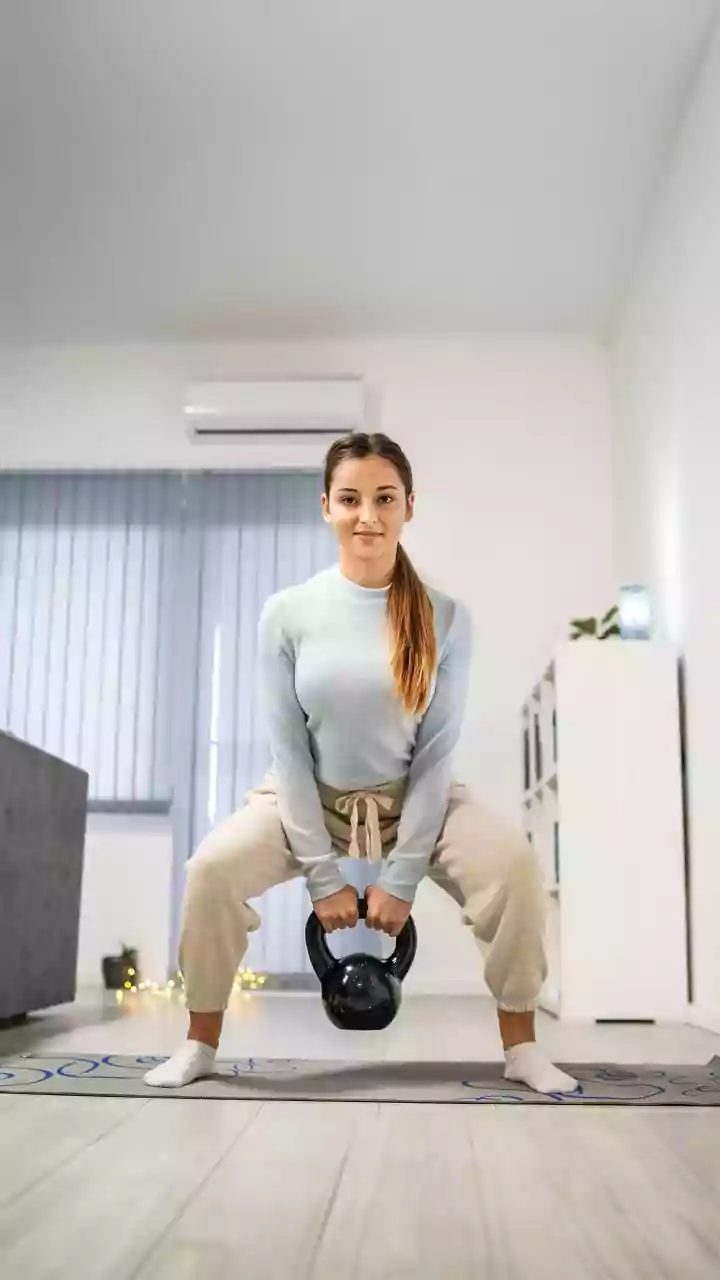
Many viral fitness trends are created for the camera, not for your body’s benefit. They prioritize movements that *look* impressive over those that are safe and effective. Think of bizarre, contorted glute kickbacks using a Smith machine, or high-intensity jump circuits with poor form that are a physical therapist’s worst nightmare. Following these routines, designed by people who are often genetically gifted and not certified trainers, is a fast track to injury. Repetitive stress on joints, strained muscles from improper technique, and burnout from unsustainable programming are common. True fitness progress is slow and often unglamorous. It’s about consistency and proper form—things that don’t always translate into a jaw-dropping 15-second Reel. Chasing the aesthetic means you might be sacrificing actual physical health for a workout that simply looks good on screen.
3. The Mental Health Tax
This is perhaps the heaviest cost. Social media algorithms are designed to show you more of what you engage with. If you start liking and saving fitness inspiration posts, your feed can quickly become a relentless firehose of impossibly lean bodies. This curated reality creates an environment of constant comparison. Studies have consistently linked heavy social media use with increased rates of body dissatisfaction, anxiety, and body dysmorphic disorder. You’re no longer working out to feel strong or relieve stress; you’re working out because you feel inadequate. Every calorie is counted, every mirror check is a critique, and the joy of movement is replaced by the pressure to measure up to an unattainable, digitally altered ideal. This can spiral into obsessive behaviors around food and exercise, eroding your mental peace.
4. The Nutritional Nightmare
Alongside aesthetic workouts come aesthetic diets. “What I Eat in a Day” videos often showcase extremely low-calorie, restrictive eating patterns that are unsustainable and, for many, unhealthy. These posts can normalize disordered eating habits under the guise of “clean eating” or “discipline.” Influencers might promote cutting out entire food groups (like carbs or fats), touting the benefits of expensive “detox” teas that are often just laxatives, or displaying portion sizes that are insufficient for an active adult. This creates a culture of food fear and moral judgment. A balanced, nourishing diet that fuels your life and brings you pleasure gets replaced by a rigid set of rules dictated by someone whose primary qualification is good lighting.
5. The Opportunity Cost of Lost Time
Finally, consider the time. We’re not just talking about the hour spent on a performative workout. We’re talking about the hours spent scrolling, researching the “perfect” routine, taking dozens of selfies to get the right angle, and editing photos to post. It's an enormous time and energy sink. This is time you could have spent on a walk with a friend, enjoying a hobby that has nothing to do with productivity, sleeping an extra hour, or simply being present in your own life without a phone in your hand. The pursuit of an online aesthetic can rob you of the real, tangible, and imperfect moments that make up a truly well-lived life.