

1. Prioritize Traffic Flow Above All
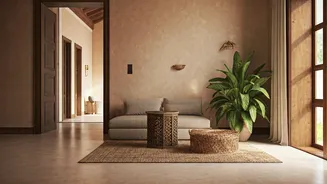
Before you buy a single throw pillow, walk through your empty space. Where are the natural pathways? From the front door to the kitchen? From the sofa to the bathroom? The biggest mistake people make in small homes is clogging these arteries. A beautiful
armchair that creates a bottleneck you have to squeeze past ten times a day is not a luxury; it’s a source of constant, low-grade irritation. The goal isn't just to fit your furniture in, but to create unimpeded lines of movement. This concept, known as 'circulation' in architecture, is more important than any single piece of decor. A home that flows well feels larger and more peaceful, even if its square footage is modest. Think like a city planner: define your main streets and keep them clear.
2. Embrace Radical Multi-Functionality
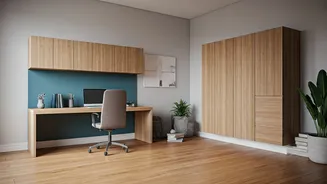
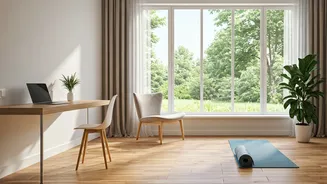
This goes way beyond the classic sofa bed. True multi-functionality is about designing zones, not just buying clever items. Can your dining table also be your primary work-from-home surface? If so, it needs to be durable, comfortable for long sits, and have accessible power outlets nearby. Can the corner of your living room become a workout zone in the morning? Then the rug needs to be easily rolled, and the coffee table must be lightweight enough to move without a second thought. Instead of asking, “What does this room do?” ask, “How many things *can* this room do?” This mindset shift turns a static floor plan into a dynamic, responsive environment that adapts to your daily needs. The most successful small spaces are transformers, changing their purpose effortlessly throughout the day.
3. Think Vertically, Not Just Horizontally
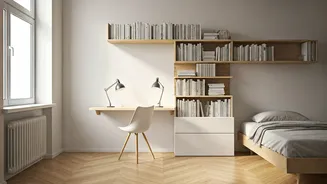
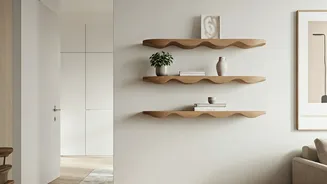
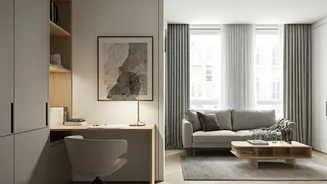
Floor space is finite, but your walls offer a vast, untapped frontier. Most people think of shelving as a way to display objects, but in a small home, it's critical infrastructure. Floor-to-ceiling bookshelves or modular wall systems don't just store your belongings; they draw the eye upward, creating a sense of height and volume that makes a room feel more expansive. This isn't just for books. Use vertical storage for kitchen supplies, office materials, or even a cleverly concealed wardrobe. By getting clutter off your floors and surfaces and onto the walls, you reclaim precious square footage for living. Your home will feel cleaner, more organized, and significantly larger.
4. Create Zones with Light and Texture
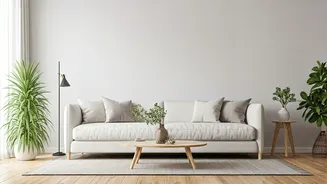
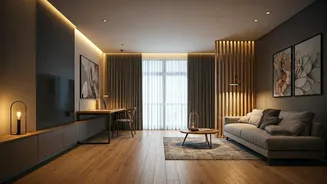
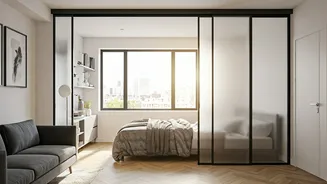
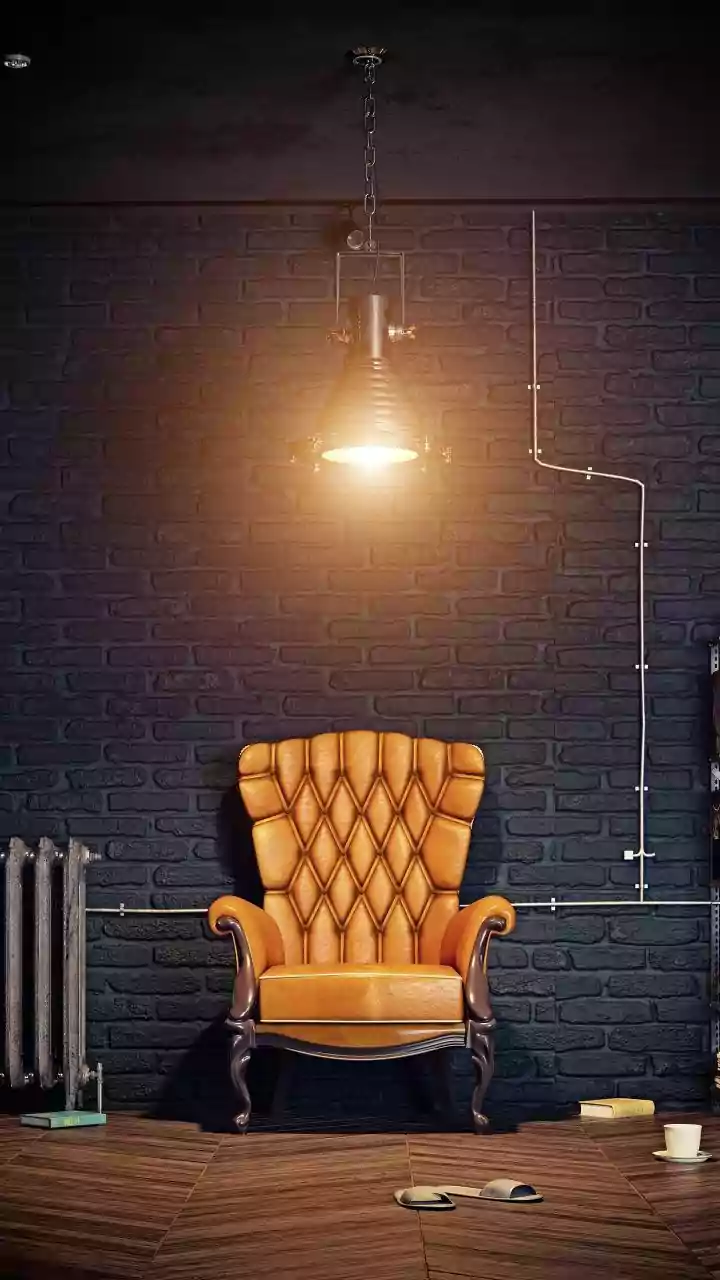
In a studio apartment or an open-plan home, you don't have walls to designate different areas—so you have to create them yourself. This is where strategic lighting and texture become powerful tools. A distinct area rug can define the living room zone, separating it visually from the dining space. A focused pendant light hanging low over a table instantly creates an intimate dining nook. A single, dimmable floor lamp can turn a simple armchair into a cozy reading corner. You are essentially using sensory cues to tell your brain, “This is a different space with a different purpose.” It’s a psychological trick that’s far more effective than trying to squeeze in flimsy room dividers. It makes a single room feel like a suite of interconnected, purposeful spaces.
5. Edit Your Life, Not Just Your Possessions
This is the hardest, but most important, step. Living in a smaller space requires a subtle but significant lifestyle shift. It means being more intentional about what you bring into your home. It means adopting a “one in, one out” policy for clothing, books, and kitchen gadgets. It’s less about a one-time decluttering purge and more about building a habit of conscious consumption. You can’t simply transpose a sprawling suburban lifestyle into a 600-square-foot apartment. The reward, however, is immense. By curating your life to fit your space, you often find you have more time, more money, and less stress. A small home, managed well, isn't a compromise—it’s an upgrade in efficiency and intention.