
Why Water Isn't Always Enough
We've all been told to drink eight glasses of water a day. While water is essential, guzzling large amounts of it at once isn't the most efficient way to hydrate. When you drink a lot of plain water quickly, it can pass through your system rapidly, triggering
your kidneys to flush it out before your body has fully absorbed it. Effective hydration isn’t just about intake; it's about absorption and retention at a cellular level. This is where food comes in. The structure of food helps slow down the release of water into your system, giving your body more time to put it to good use. Think of it as the difference between a flash flood and a slow, steady rain that actually soaks into the soil.
The Power of Fibre
One of the key reasons food aids hydration is fibre. When you eat water-rich foods like fruits, vegetables, and even oatmeal, the fibre and other molecules act like a sponge. They form a gel-like substance in your digestive system, trapping water and releasing it slowly over several hours. This creates a steady, time-released hydration effect that plain water can't replicate. A 2015 study even suggested that drinks with a small amount of fat, protein, or sugar (like milk) can keep you hydrated for longer than water, largely because they are emptied from the stomach more slowly. Eating an orange is more hydrating than drinking just its juice because the fruit's pulp provides the fibre that manages water release.
Electrolytes: The Hydration Gatekeepers
If you've ever had a sports drink, you've heard of electrolytes. But you don’t need a sugary neon beverage to get them. Electrolytes are minerals like sodium, potassium, and chloride that are abundant in whole foods. They play a crucial role in directing water to where it's needed most in the body. Sodium, in particular, helps the body hold onto water and pull it into your cells. This is why a post-workout snack of a banana (for potassium) with a pinch of salt or a handful of pretzels can be so restorative. Without adequate electrolytes, water can’t effectively cross cell membranes to hydrate your tissues, no matter how much you drink.
Your Hydrating Grocery List
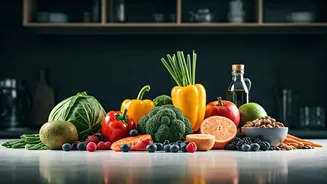
So, what should you be eating? Focus on ingredients that are naturally high in water, fibre, and minerals. These foods are often described as “cooling” not because they change your body temperature, but because their high water content feels incredibly refreshing.
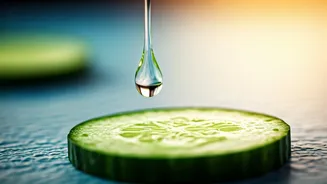
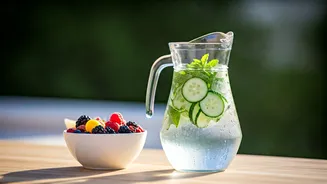
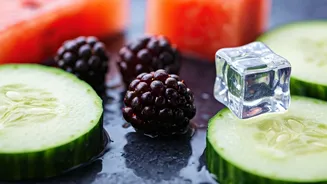
- **Cucumber & Celery:** At over 95% water, these are hydrating powerhouses. Their crunchy texture comes from their fibrous structure, making them a perfect slow-release snack.
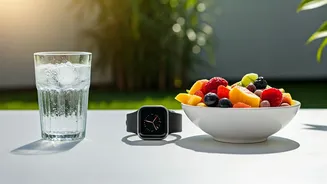
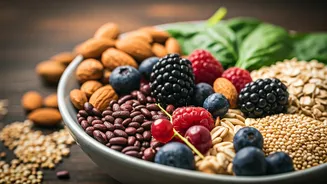
- **Watermelon & Berries:** Watermelon is famously hydrating (about 92% water) and contains the electrolyte potassium. Strawberries and cantaloupe are also excellent choices, packed with water and vitamins.
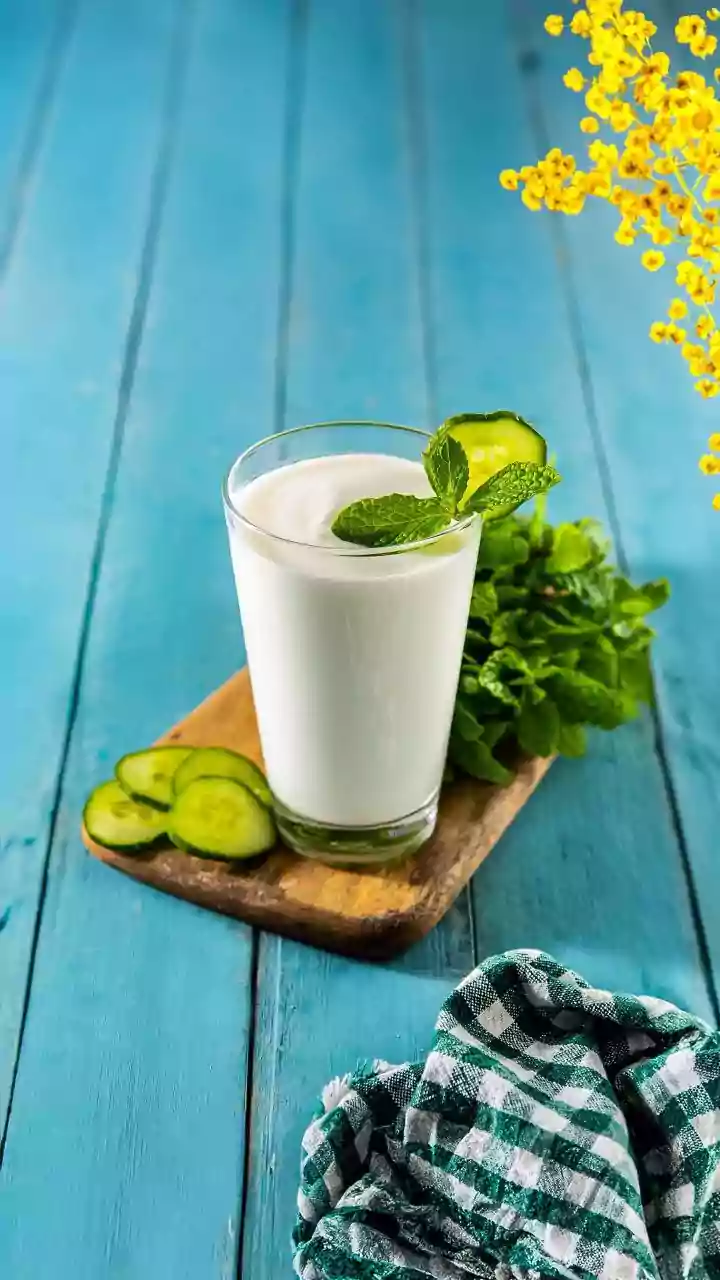
- **Yogurt & Cottage Cheese:** Dairy products provide a mix of protein, carbohydrates, and sodium, which helps your body retain the fluid you consume. Plain Greek yogurt is a fantastic option.
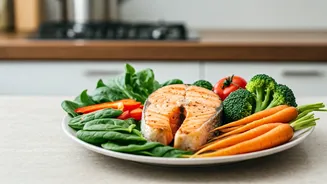
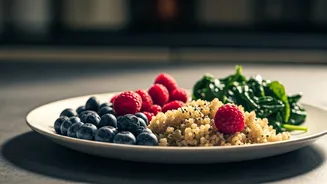
- **Leafy Greens:** Romaine lettuce, spinach, and kale have high water content and provide key nutrients. A big salad is essentially a hydrating meal.
- **Soups & Broths:** A chilled gazpacho in the summer or a warm bone broth in the winter provides both fluid and essential electrolytes like sodium, making it a deeply hydrating choice.
Putting It All Together
Incorporating hydrating foods into your diet doesn't have to be complicated. Start your day with a smoothie made with Greek yogurt, spinach, and berries. For lunch, have a large salad topped with grilled chicken and a light vinaigrette. Snack on cucumber slices with hummus or a juicy pear in the afternoon. At dinnertime, a simple soup or a side of steamed vegetables can boost your fluid intake. By thinking about the water content of your meals, you support your body’s hydration needs from morning until night, creating a more resilient and balanced system than you could achieve with water alone.