

Your Itinerary Is Only a Suggestion
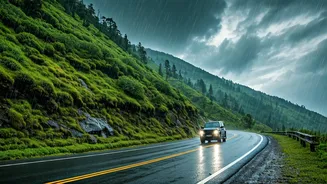
The single most important rule of monsoon travel is flexibility. That meticulously planned day-by-day schedule? Consider it a rough draft. Heavy, persistent rain doesn't just make for a damp afternoon; it can trigger landslides that block mountain roads
for days, cause flash floods that halt train services, and lead to flight cancellations at regional airports. In destinations like Costa Rica, the Indian Himalayas, or rural Thailand, a single washed-out bridge can completely isolate a town. Instead of booking non-refundable tours and tight connections, build buffer days into your trip. Have backup plans for indoor activities, like cooking classes or museum visits. The most successful monsoon travelers aren't the ones who stick to their plan, but the ones who can gracefully pivot when a downpour turns Route A into an impassable river and makes Route B the new adventure.
Waterproof Gear vs. Weather-Ready Strategy
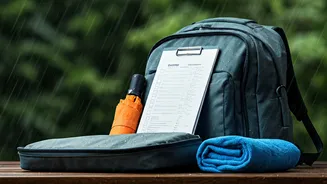
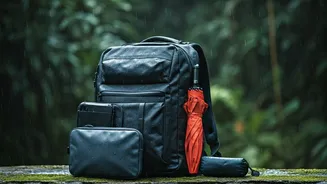
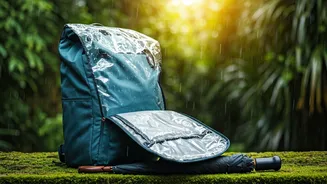
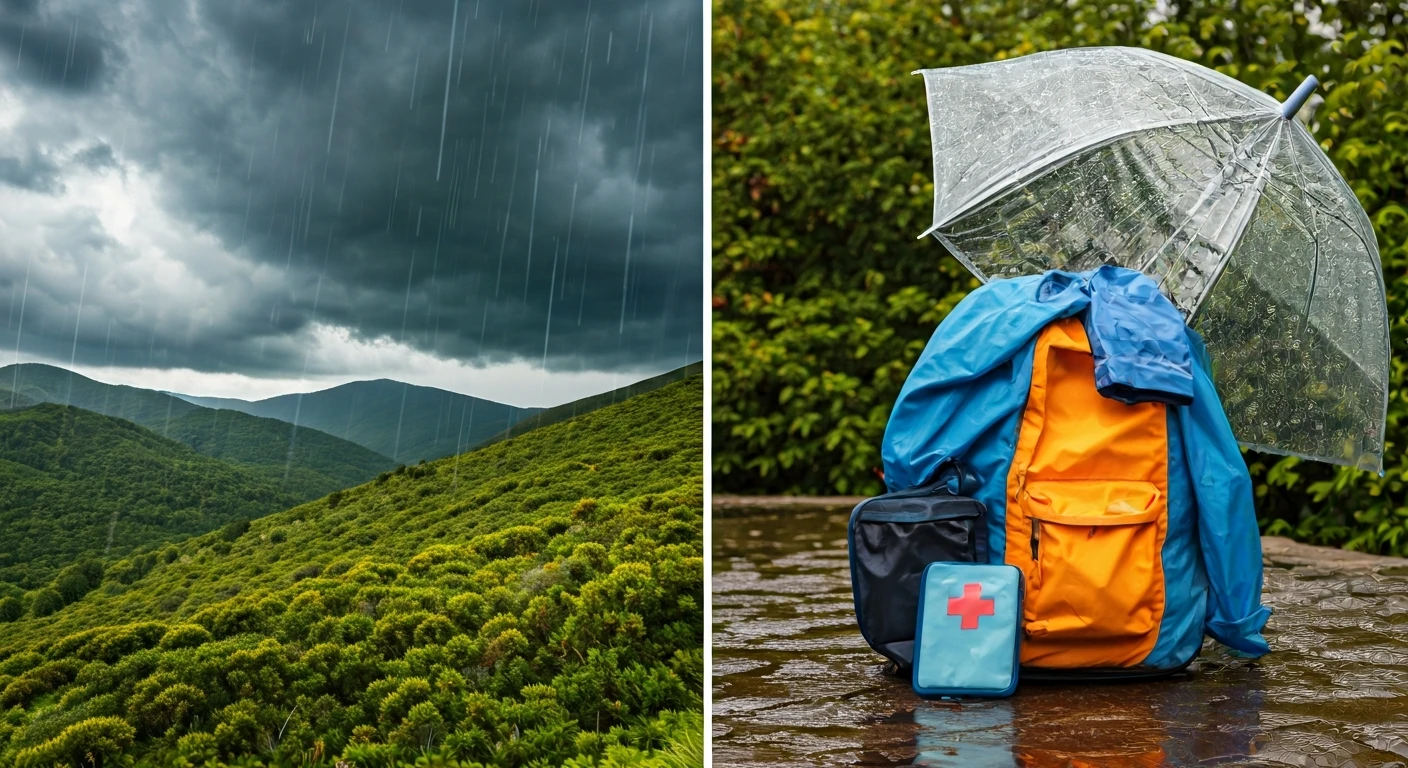
Packing a high-end waterproof jacket is a start, but it’s not a complete strategy. In the humid, tropical heat that accompanies many monsoons, a heavy Gore-Tex shell can feel like a personal sauna. The real pro move is to focus on materials that perform well when wet and dry quickly. Think merino wool or synthetic base layers, quick-dry hiking pants, and multiple pairs of socks. Your footwear choice is critical: waterproof hiking boots can become buckets of water if rain gets in over the top. Many experienced travelers opt for breathable trail runners or sturdy, open-toed hiking sandals that drain easily and won't get ruined by mud. Don't forget electronics. A few Ziploc bags are a low-cost essential, but a dedicated dry bag is a wise investment for protecting your phone, camera, and passport when you're caught in an unexpected deluge.
The Uninvited Guests: Health and Safety
Wet, warm conditions are a breeding ground for mosquitoes, and with them comes an increased risk of illnesses like dengue fever, chikungunya, and malaria in certain regions. Weeks before your trip, consult the CDC's travel health website and talk to your doctor about necessary precautions, which may include vaccinations or preventative medication. On the ground, be diligent with insect repellent containing DEET or picaridin, especially during dawn and dusk. Mosquitoes aren't the only concern. Water contamination can be an issue, so stick to bottled or purified water and be cautious with street food that may have been exposed to unclean water. Pack a small first-aid kit with antiseptic wipes, bandages for slips and falls on slick surfaces, and medication for stomach issues. A little preparation goes a long way in keeping your trip memorable for the right reasons.
Expect the ‘Closed’ Sign
That breathtaking clifftop viewpoint or pristine national park trail you saw on Instagram might be off-limits. During monsoon season, many outdoor attractions close for safety reasons. Hiking trails become treacherous mudslides, strong currents make beaches unsafe for swimming, and wildlife sanctuaries may shut down access to protect both animals and visitors. This is especially true for multi-day treks and remote natural sites. Before you book a trip centered around one specific activity, do your research. Check official park websites or contact local tour operators to confirm seasonal closures. Setting realistic expectations is key. Instead of planning a strenuous high-altitude trek, perhaps a lower-elevation jungle walk with a certified guide is a safer and more reliable option. The goal is to find the beauty that is accessible, not to be disappointed by what isn't.
The Silver Lining Is Fewer Crowds
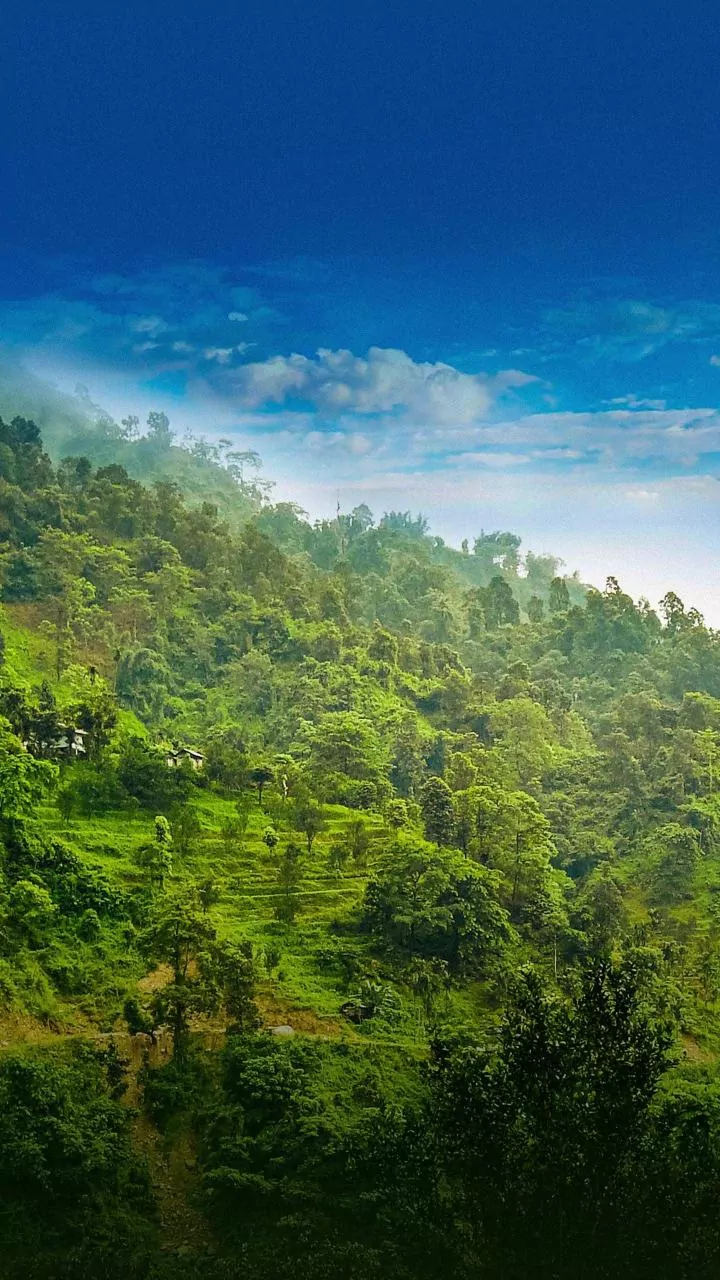
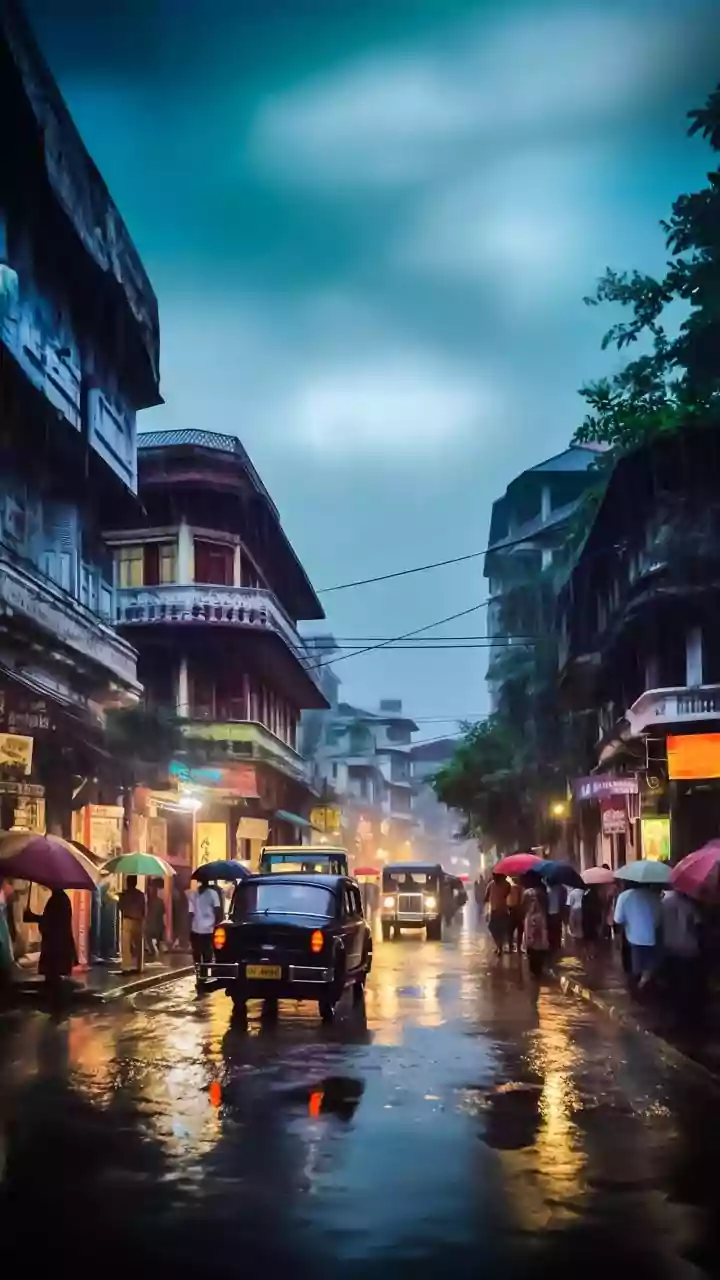
If you can embrace the practicalities, the reward is immense. Monsoon season is often the off-season, which means fewer tourists, lower prices on flights and accommodations, and a more authentic, local vibe. The landscapes, free from the haze of the dry season, are at their most vibrant and saturated. Waterfalls that are mere trickles in peak season become thundering spectacles. There's a certain magic to sitting in a cozy café with a hot drink, watching the world get a much-needed bath. For photographers, the dramatic skies and reflective, wet streets offer endless creative possibilities. This is the payoff for reading the fine print: you get to experience a destination when it is arguably at its most alive and atmospheric, sharing it with the people who call it home rather than a busload of tourists.