

The Wellness Aisle Mirage
Walk down the refrigerated aisle of any upscale grocery store and you’ll see them: a rainbow of meticulously designed bottles promising to “boost,” “balance,” and “detoxify.” These wellness shots and probiotic drinks have become a multi-billion dollar
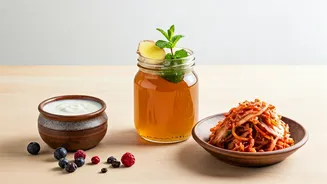
industry, preying on our desire for a quick fix for digestive woes, low energy, and general malaise. They feel like a responsible choice—an investment in our health. But peel back the label. Many of these drinks are high in sugar to mask their often-unpalatable taste. They are frequently pasteurized, a heating process that can kill the very live cultures they advertise. The probiotics they do contain are often isolated strains grown in a lab, a far cry from the complex, symbiotic communities of microbes found in naturally fermented foods. You’re paying a premium for clever marketing and a whole lot of packaging, not necessarily for superior health benefits.
Your Grandmother Knew Best
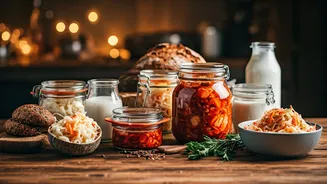
Meanwhile, in kitchens across South Asia (and indeed, the world), a different kind of health wisdom has been brewing for centuries. Fermentation isn’t a trend; it’s one of humanity's oldest food preservation techniques. By creating an environment where beneficial bacteria and yeasts (the good guys) thrive, fermentation not only keeps food from spoiling but also transforms it. These microbes break down sugars and starches, making the food easier to digest and unlocking a wealth of nutrients. More importantly, these foods are teeming with a diverse array of live microorganisms. This is the key difference. Instead of one or two lab-grown probiotic strains, you’re consuming a complex, living ecosystem that can contribute to a more robust and resilient gut microbiome. Science is only now catching up to what traditional cultures have known all along: a healthy gut is foundational to overall health, and the best way to support it is by eating real, living foods.
Case Study: Kanji, the Original Wellness Shot
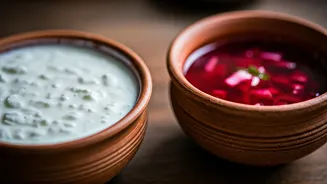
If you’re looking for a direct competitor to the fancy wellness bottle, meet *kanji*. This traditional North Indian fermented drink is typically made in the winter from black carrots, though beetroot versions are also popular. The recipe is deceptively simple: carrots, water, salt, and spices like mustard seeds are left to ferment in a glass or ceramic jar in the sun for a few days. The result is a tangy, savory, and deeply purple beverage that fizzes with life. It’s a probiotic powerhouse, historically consumed to aid digestion during the heavier eating of the winter months. It’s salty, sour, and pungent—a world of flavor that makes those sugary commercial shots taste one-dimensional. Making a large batch of *kanji* at home costs pennies on the dollar compared to a week’s supply of store-bought drinks.
More Than Just a Pickle
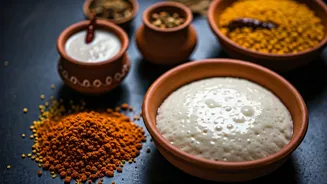
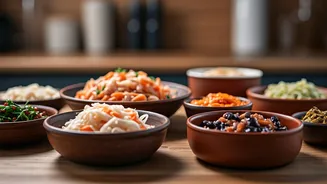
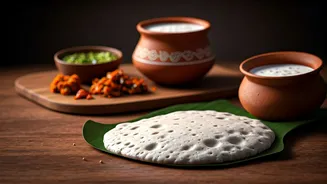
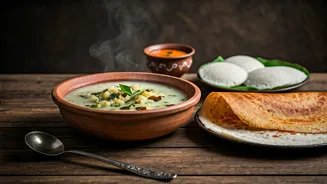
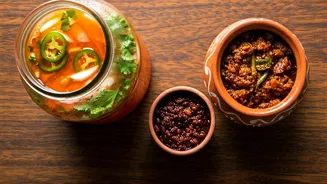
The world of Desi fermentation goes far beyond one drink. Consider the humble *achaar*, the oil-based pickles that are a staple in every South Asian meal. While many commercial pickles are simply vegetables preserved in vinegar, traditional, homemade *achaar* is a product of lacto-fermentation. The salt draws water from the vegetables, creating a brine where beneficial Lactobacillus bacteria can flourish, creating complex flavors and probiotic goodness. Even the soft, pillowy *idli* and crispy *dosa* of South India owe their magic to fermentation. The batter, made from rice and lentils, is left to sit overnight. During this time, wild yeasts and bacteria get to work, predigesting the batter, increasing its B-vitamin content, and giving these staples their signature light texture and slightly sour taste. It’s gut health disguised as comfort food.
Taste, Tradition, and Your Wallet
Choosing Desi fermented foods over commercial wellness products isn't just about saving money or getting a more diverse range of probiotics. It’s an act of cultural rediscovery. It’s about embracing flavors that are bold and complex, not engineered to be blandly palatable. It’s about participating in a tradition that is sustainable, rooted in seasonality, and values the slow, magical process of transformation. These foods connect us to a heritage of resourcefulness and a deeper understanding of nature. They remind us that wellness isn't a commodity to be purchased, but a practice to be cultivated. The answer isn't in a factory-sealed bottle; it's in a jar on the windowsill, bubbling away in the sun.