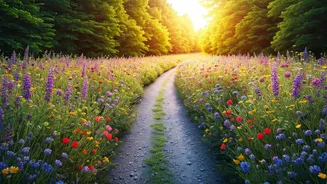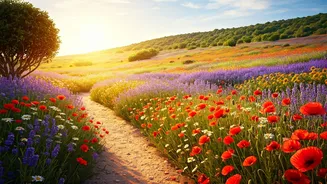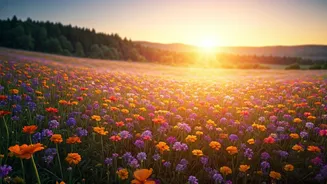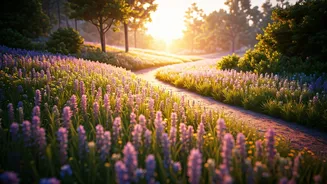







What Is a Flower Trail?
At its heart, a flower trail isn’t a formal designation but a mindset. It’s the intentional act of traveling to a place specifically to witness a seasonal explosion of flowers. This could be a hike through a valley carpeted in California poppies, a drive
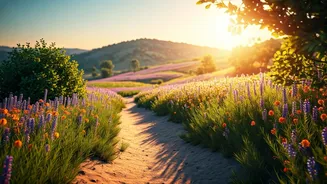
along a Texas highway lined with bluebonnets, or a stroll through an Appalachian forest during the rhododendron bloom. Unlike a simple visit to a botanical garden, the appeal lies in seeing these flowers in their wild, natural habitat—a spectacular, ephemeral event that changes year to year. It’s less about conquering a summit and more about connecting with a specific moment in the landscape’s life cycle. The 'adventure' comes not from physical risk, but from the scavenger hunt of finding the perfect bloom at its peak.
The Appeal of a Softer Adventure
So why is this gentle pursuit gaining so much traction now? In many ways, it’s a reaction to the pressures of modern life and the often-performative nature of travel. After years of being encouraged to have the most extreme, Instagrammable experiences, many are craving something more restorative. Flower trails offer a low-stakes, high-reward alternative. They don't require expensive gear, intense physical conditioning, or a packed itinerary. Instead, they encourage a slower pace, mindfulness, and an appreciation for simple beauty. This aligns perfectly with the growing wellness movement and the online aesthetic of the 'soft life'—a conscious choice to embrace ease and pleasure over hustle and stress. It’s an adventure that recharges your batteries instead of depleting them.
Finding a Floral Escape
The beauty of this trend is its accessibility. From coast to coast, the U.S. offers countless opportunities to find a flower trail. The key is timing and a little research. While the exact dates shift with weather patterns, here are a few iconic American floral events to inspire your next gentle adventure:
California's Superbloom
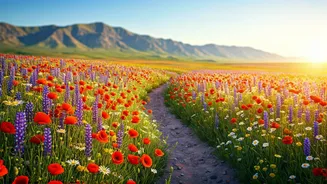
Following a wet winter, Southern California deserts and hillsides can erupt in a 'superbloom' of wildflowers, most famously the brilliant orange poppies in places like Antelope Valley California Poppy Reserve. It’s a spectacular, almost surreal landscape that draws visitors from around the world. But be warned: its popularity means you’ll want to visit on a weekday and practice strict 'Leave No Trace' principles to protect the delicate ecosystem.
Texas Bluebonnet Trails
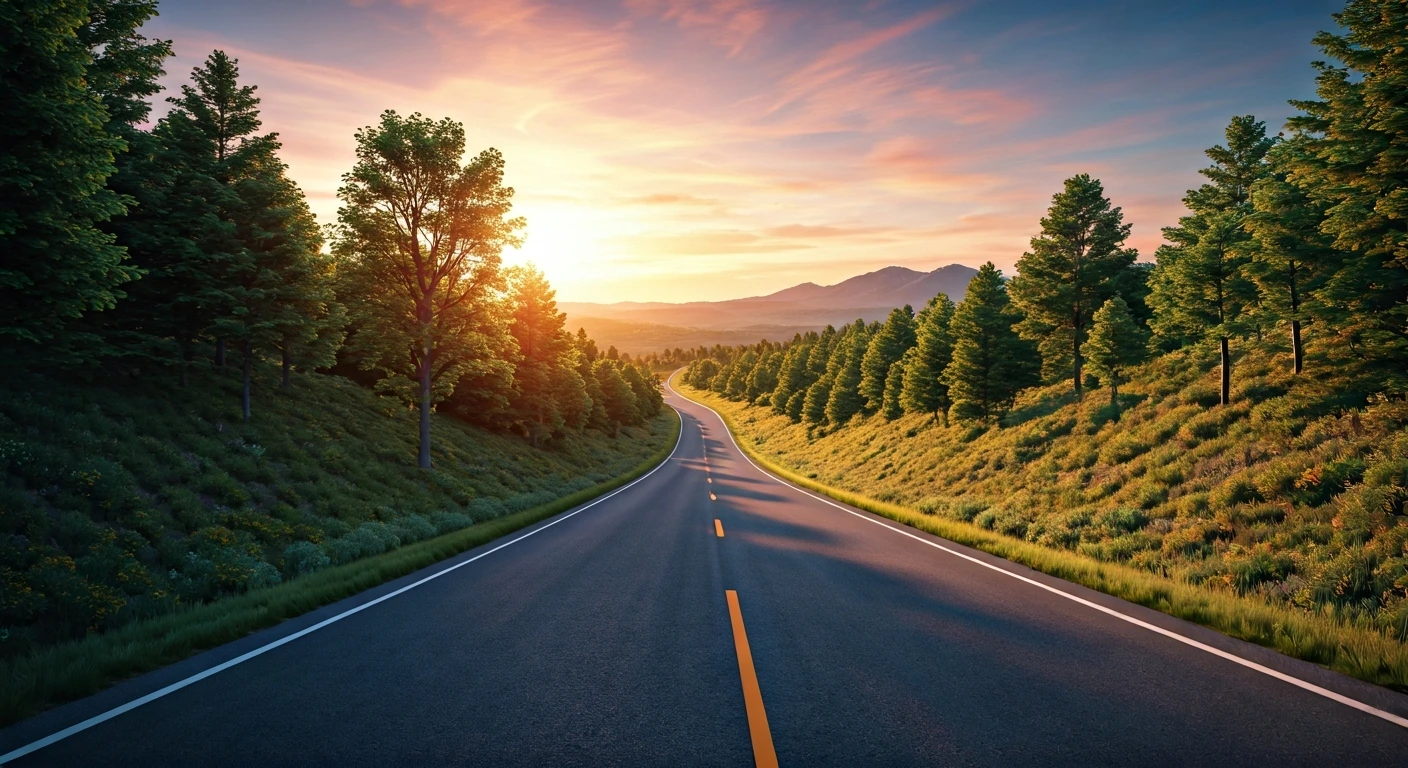
Every spring, typically from late March to mid-April, central Texas is transformed by a sea of deep blue. The state flower, the bluebonnet, carpets fields and roadsides, creating a beloved cultural phenomenon. Towns in the Texas Hill Country, like Ennis, have established driving trails that guide visitors through the most scenic routes, making for a perfect, laid-back road trip adventure.
Appalachian Rhododendrons and Laurels
In late spring and early summer, the Blue Ridge Mountains come alive with pink and purple. Hiking trails along the Blue Ridge Parkway in North Carolina and Virginia, or in the Great Smoky Mountains National Park, offer breathtaking tunnels of mountain laurel and Catawba rhododendron. The bloom typically starts at lower elevations in May and climbs higher into June and July, creating a rolling season of color.
Pacific Northwest's Lupine Fields
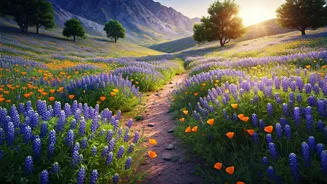
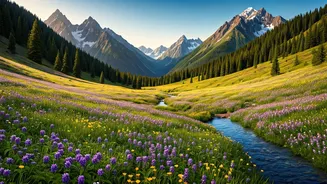
From the Columbia River Gorge to the slopes of Mount Rainier, the Pacific Northwest boasts stunning wildflower seasons from spring through summer. Fields of purple lupine, scarlet paintbrush, and yellow balsamroot create a painterly landscape against a backdrop of dramatic peaks. Trails in this region offer a slightly more rugged—but still gentle—adventure for those looking to immerse themselves in alpine meadows.