


Beyond the Restaurant Glamour
For decades, the pinnacle of food media—in India as in the U.S.—was defined by glossy magazines, high-production TV shows, and chefs from five-star hotels. The food was aspirational, the techniques complex, and the kitchens impossibly clean. But a quiet,
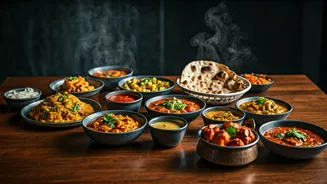
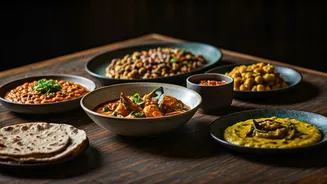
seismic shift has taken place. The new heroes of Indian food content aren’t in commercial kitchens; they’re standing over a sizzling kadai in a modest apartment, grinding spices on a family heirloom stone, or cooking over an open fire in a rural village. This movement is a powerful pivot from polished perfection to lived-in reality. Viewers are no longer just seeking recipes; they’re drawn to the stories, the sounds, and the unvarnished authenticity of a home kitchen, where a clanging pot or a mother’s off-screen instruction is part of the charm, not an error to be edited out.
The Rise of the Digital Potluck
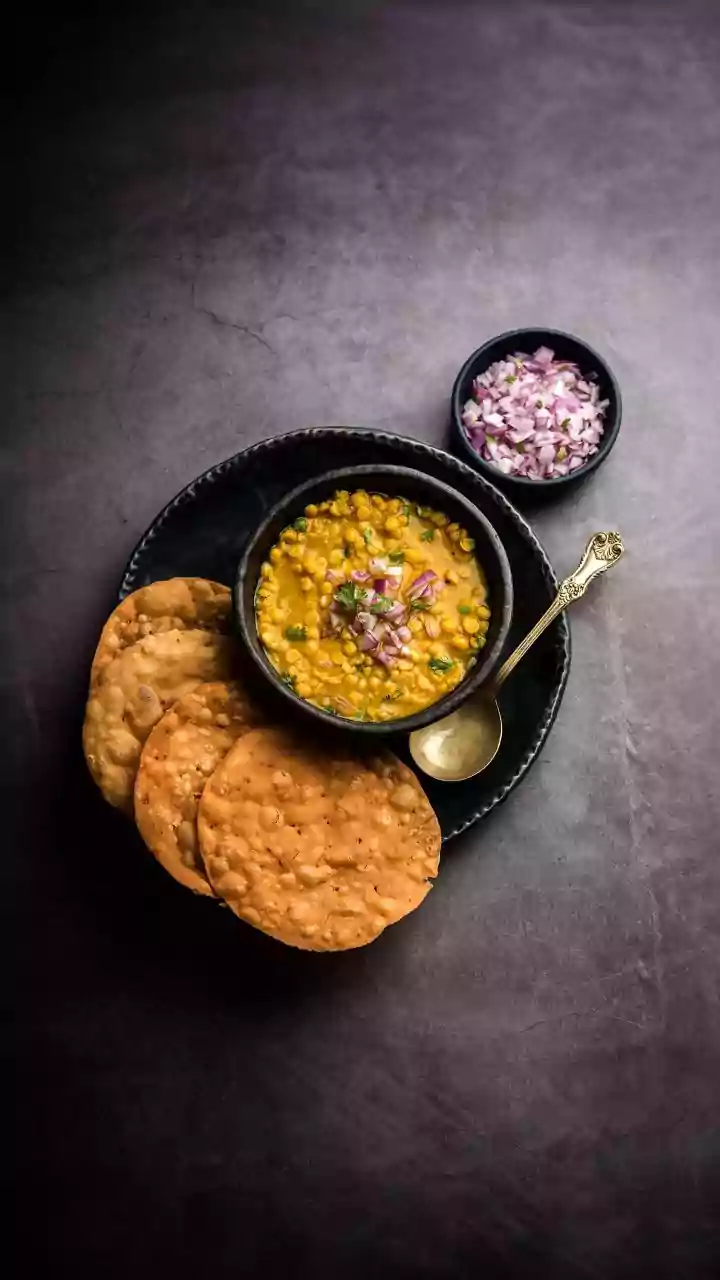
While this trend was simmering for years, the global pandemic brought it to a rolling boil. Confined to their homes, millions of Indians—and a curious global audience—turned to their screens for connection and inspiration. Stuck in their own kitchens, they found a new kind of star: creators who made cooking feel accessible, necessary, and deeply comforting. Channels like Hebbars Kitchen, known for its quick, no-fuss vegetarian recipes shot in a simple top-down style, saw their viewership explode. Kabita Singh of Kabita's Kitchen became a household name by simplifying complex dishes and speaking to her audience like a friendly neighbor. These creators didn't offer escapism into a fantasy world of fine dining; they provided a practical, empathetic guide for the here and now, turning isolation into a massive, shared digital potluck.
From Regional Roots to Global Reach
What makes this wave so compelling is its incredible diversity, reflecting India's vast culinary landscape. It’s not a monolithic trend. On one end, you have the Village Cooking Channel from Tamil Nadu, where a group of farmers cook spectacular, large-scale meals in their pastoral surroundings, earning them tens of millions of subscribers and global acclaim. Their videos are cinematic, meditative, and a celebration of community cooking. On the other end are creators like Sneh Ranan of 'More than Masala,' who meticulously documents her family's Kayastha heritage recipes, treating her platform as a living archive to prevent culinary traditions from fading. This content transcends simple instruction; it’s a form of cultural preservation, offering viewers a taste of hyper-regional dishes from Bengal, Kerala, or Maharashtra that they’d never find in a standard Indian restaurant abroad.
Authenticity Is the Secret Ingredient
Ultimately, the success of home-kitchen content comes down to one elusive, powerful ingredient: authenticity. In a world of curated-to-perfection Instagram feeds, audiences are starved for something real. The appeal isn’t just seeing a delicious dish come together. It's hearing the sizzle of mustard seeds hitting hot oil, watching a grandmother’s practiced hands shape dough, and learning the story behind a particular spice blend. This content demystifies Indian cooking, framing it not as a daunting culinary project but as a daily act of love and tradition. For the massive Indian diaspora, it’s a powerful link to the flavors of home. For a growing global audience, it’s an invitation into the heart of Indian culture—not the tourist version, but the warm, vibrant, and utterly delicious reality found in its home kitchens.