
Meet Moringa, The 'Miracle Tree'
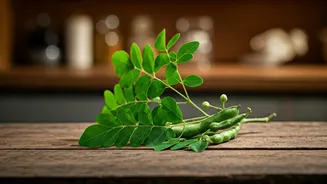
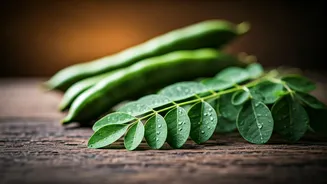
If you’ve browsed the aisles of a health food store or scrolled through wellness blogs lately, you’ve likely encountered moringa. Derived from the Moringa oleifera tree native to the Indian subcontinent, it’s often called the 'miracle tree' or 'drumstick
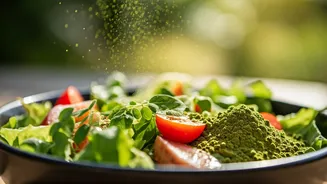
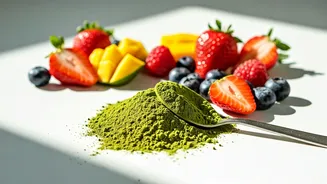
tree,' and for good reason. For centuries, its leaves, pods, and seeds have been used in traditional medicine and cooking. In the U.S., it has gained superfood status primarily for its leaves, which are sold as a fine, emerald-green powder or sometimes fresh or frozen. What’s behind the hype? Moringa leaves are exceptionally nutrient-dense. They are loaded with vitamins A and C, calcium, potassium, and iron. They also contain a surprising amount of plant-based protein and are packed with antioxidants, which help combat cellular damage. Unlike many wellness ingredients that require an acquired taste, moringa has a mild, approachable flavor that makes it incredibly versatile in the kitchen.
The Perfect Partner for a Classic
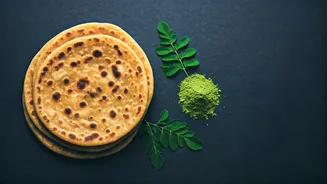
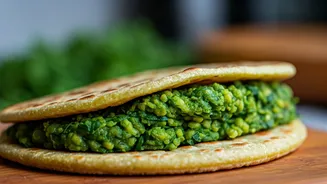
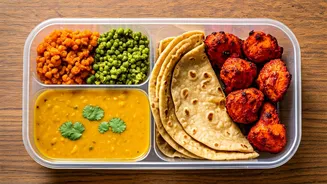
So, why does moringa work so well in a paratha? It’s a culinary match that feels both innovative and completely natural. Parathas are beloved for their rich, flaky layers and their ability to host a wide variety of stuffings—from spiced potatoes (aloo paratha) and cauliflower (gobi paratha) to paneer cheese. Moringa fits into this tradition seamlessly. Its flavor profile, often described as earthy and similar to spinach or matcha, complements the savory spices common in paratha fillings. It doesn't overpower the dish; instead, it adds a subtle, vegetal depth. Functionally, moringa powder can be integrated in two main ways. You can either knead it directly into the whole wheat dough, giving the paratha a striking green color and infusing every bite with nutrients, or you can mix the powder (or finely chopped fresh leaves) into your favorite stuffing. This second method allows you to combine its benefits with the comforting familiarity of a classic potato-and-pea filling, creating a dish that feels both indulgent and virtuous.
What Does It Actually Taste Like?
Let’s manage expectations: adding moringa won’t make your paratha taste like a green juice. The flavor is subtle and sophisticated. When mixed into dough, moringa powder imparts a mild, earthy note that balances the richness of the ghee or oil used to cook the flatbread. It adds a slight grassy freshness, similar to how parsley or spinach might function in other savory pastries. If you mix it into a potato stuffing, the spices—like cumin, coriander, and turmeric—remain the stars of the show. The moringa simply adds a background layer of green, earthy goodness and a powerful nutritional boost. For those wary of bitter flavors, the key is moderation. A little moringa goes a long way, both in color and taste. Starting with a teaspoon or two per cup of flour or stuffing is a great way to get acquainted with its flavor without it becoming dominant. The result is a more complex, satisfying, and deeply nourishing version of a food you already love.
Making It at Home: The Basics
Bringing this trend into your own kitchen is surprisingly simple. You don't need a complicated recipe, just a willingness to experiment with your favorite paratha-making method. First, source your moringa. Moringa powder is widely available online and in health food stores. If you have access to an Indian grocery store, you may even find fresh or frozen moringa leaves. For the dough method: Simply sift 1-2 tablespoons of moringa powder with your whole wheat flour (atta) before adding water. Knead as you normally would. The dough will turn a beautiful, vibrant green. For the stuffing method: Prepare your usual filling—spiced mashed potatoes, crumbled paneer, or grated vegetables work well. While it’s still warm, mix in a tablespoon of moringa powder or a handful of finely chopped fresh moringa leaves. The heat will help wilt the leaves and meld the flavors. Then, stuff and cook your parathas as usual, pan-frying them with a bit of ghee or oil until golden and puffed. Serve hot with a side of plain yogurt or your favorite pickle.