




A Landscape Painted in Green and Grey
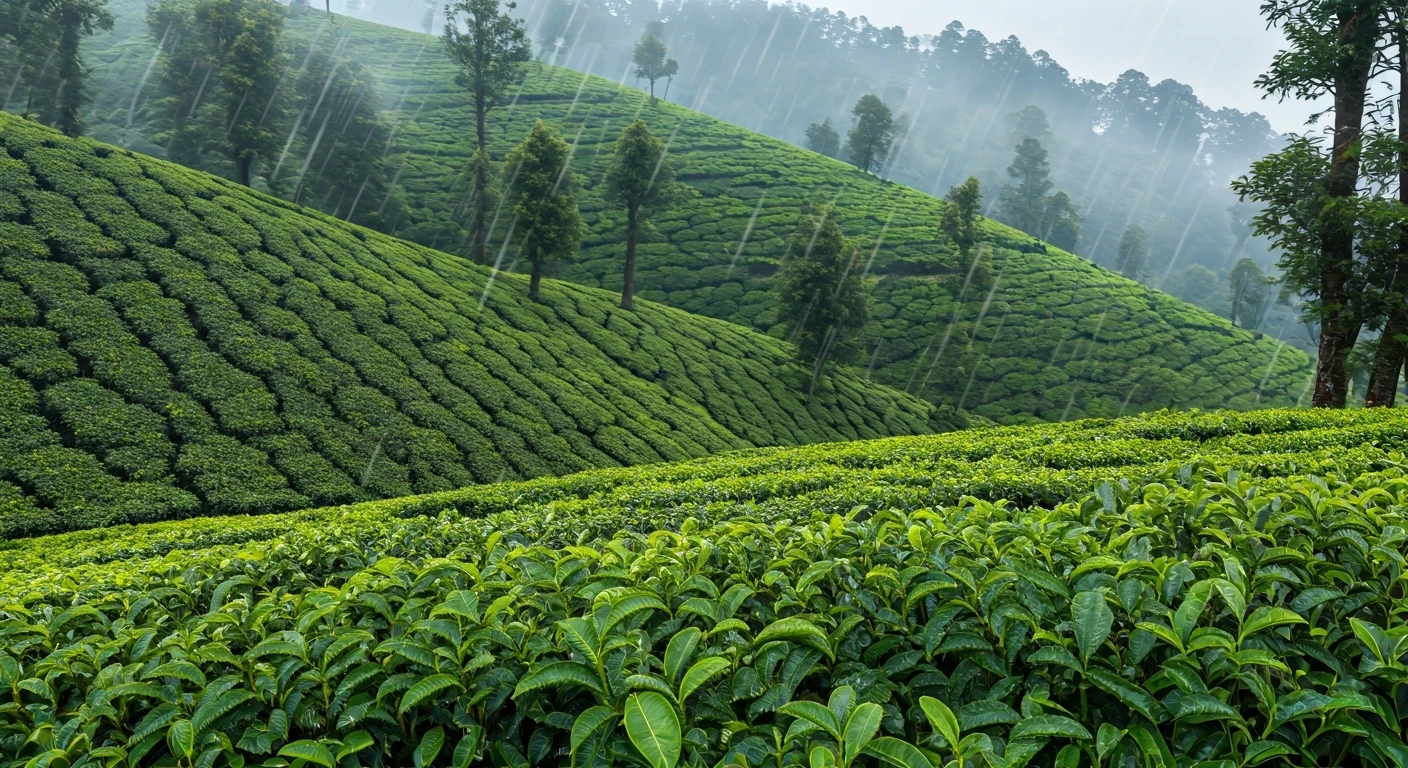
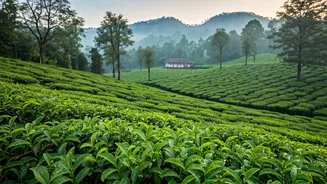
Imagine a world sculpted into waves of green. The tea gardens of Darjeeling, India, are not merely farms; they are masterpieces of landscape architecture, clinging to steep hillsides that rise toward the heavens. These meticulously manicured estates,
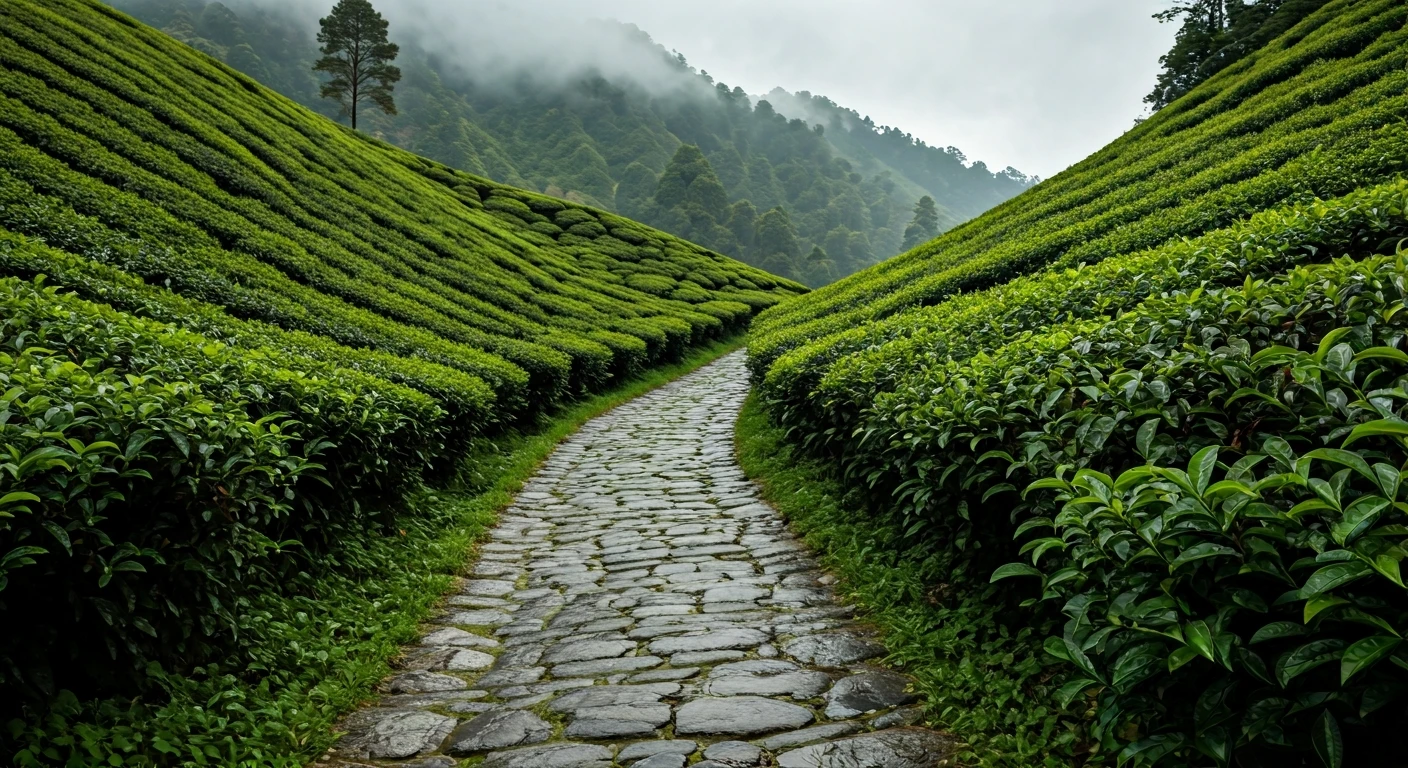
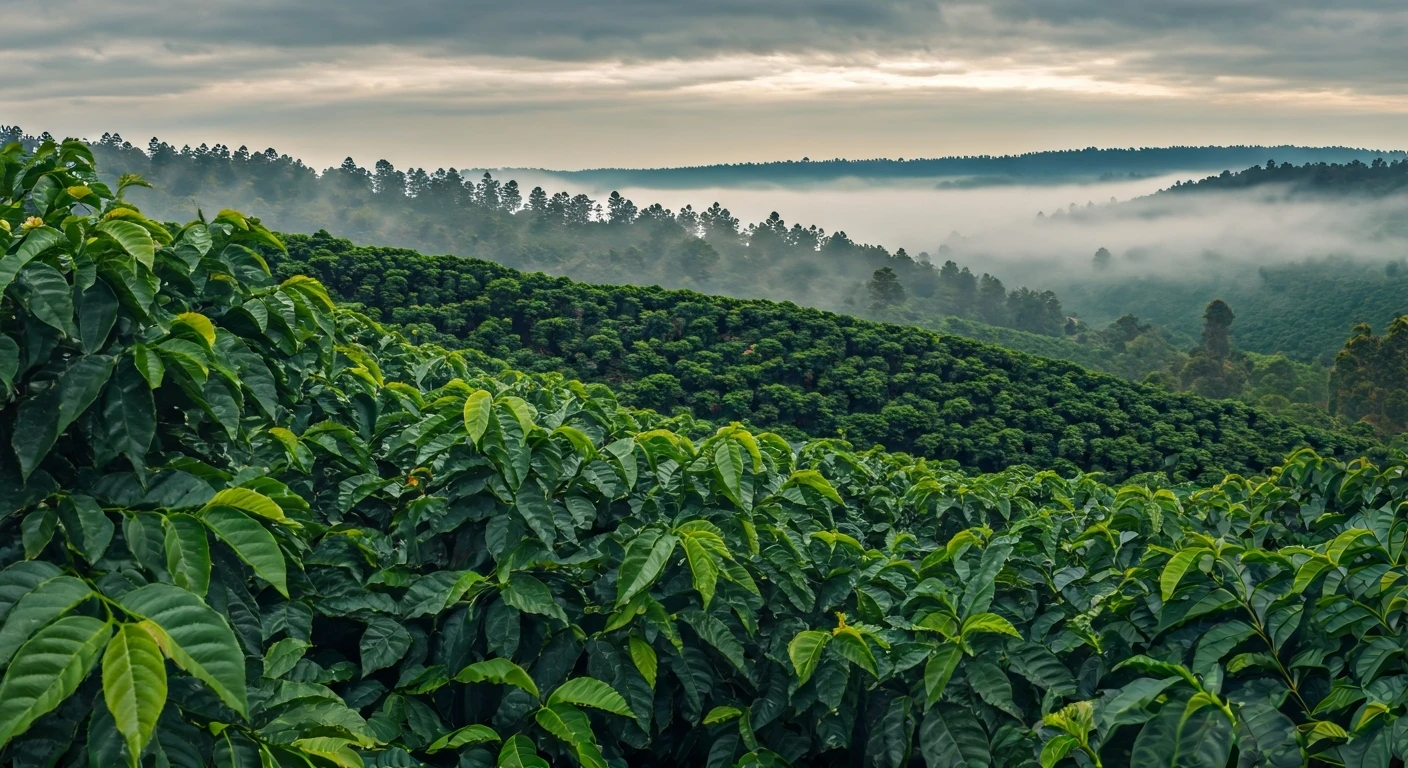
some established in the mid-19th century, create a rolling emerald carpet that stretches as far as the eye can see. Winding through this scenery are narrow roads and the famous Darjeeling Himalayan Railway, a tiny “Toy Train” that puffs its way through the clouds. Quaint colonial-era bungalows with gabled roofs and smoking chimneys peek out from behind curtains of fog, remnants of the British Raj who first saw the area’s potential. But it is the sky that truly defines the scene. For much of the year, Darjeeling lives under a cloak of moving clouds and shifting mists, creating a moody, ethereal atmosphere that feels both ancient and alive.
The Lifeblood of the Monsoon
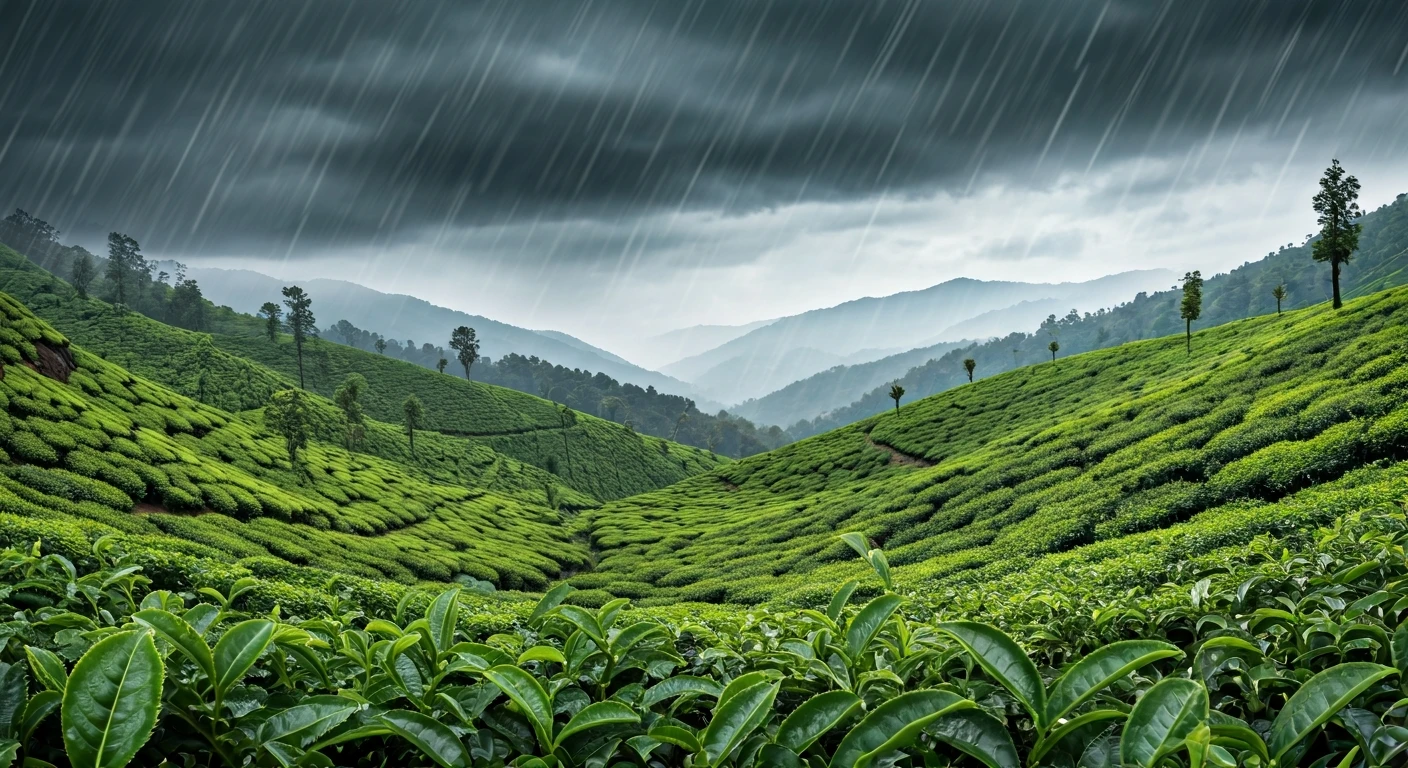
To an outsider, the idea of a monsoon might conjure images of disruption and deluge. In Darjeeling, it’s a celebration. From June to September, the monsoon rains arrive not as a gentle shower but as a defining force of nature. The downpour transforms the region, washing the dust from the tea leaves and turning the entire landscape a shade of impossible, vibrant green. The sound of rain is constant—a soft patter on broad leaves, a steady drumming on corrugated roofs, a distant roar as waterfalls are born in the hills. Life adapts to this rhythm. Locals huddle under umbrellas, sipping steaming cups of tea in cozy cafes, watching the clouds drift up from the valleys below. The rain isn't an inconvenience to be avoided; it is the engine of life, replenishing the earth and setting the stage for the magic that happens in the tea bushes.
Why Rain Creates the Perfect Cup
The phrase “Darjeeling tea” is more than a name; it’s a protected Geographical Indication, like Champagne from France. And the rain is a key ingredient in its world-renowned flavor. The tea is harvested in “flushes,” or growth periods, each with a distinct character. The pre-monsoon “second flush,” harvested in May and June, is often considered the most prized, producing a complex, full-bodied brew with muscatel notes. The heavy monsoon rains that follow are essential. They saturate the soil and encourage vigorous growth for the “monsoon flush,” which yields a stronger, bolder tea. The humidity, the cloud cover, and the specific altitude all conspire with the rain to create the unique terroir that cannot be replicated anywhere else on Earth. The very stress the monsoon puts on the plants, followed by periods of intense sunshine, develops the complex chemical compounds that give Darjeeling tea its delicate aroma and flavor. Without the rain, there is no Darjeeling tea as we know it.
The Ritual of a Rainy Afternoon
There is perhaps no experience more quintessentially Darjeeling than sitting by a window, a cup of freshly brewed tea warming your hands, while the monsoon works its magic outside. The view might be completely whited out by fog one moment, then suddenly reveal a stunning panorama of a neighboring hillside the next. The aroma of the tea—floral, fruity, and slightly earthy—mingles with the clean scent of wet soil and pine. This is a moment of quiet contemplation, a sensory immersion that connects you directly to the place. It’s in these moments that you understand the symbiotic relationship at the heart of this region. The tea you are drinking is a direct product of the storm you are watching. It is a liquid expression of the landscape, a taste of the clouds, rain, and mountain sun, all captured in a single, perfect cup.