

The Cult of the Complicated Dinner
We seem to have collectively decided that a meal isn’t a *real* meal unless it involves multiple pans, a three-hour prep time, and at least one ingredient you had to visit a specialty store for. This isn't an accident. We're living in the shadow of the sourdough
starter, the pandemic-era project meal that taught us that our kitchens were supposed to be sites of ambitious self-improvement. Instagram and TikTok are filled with mesmerizing, sped-up videos of people transforming humble ingredients into restaurant-worthy plates. The message, implicit but powerful, is that you, too, could be this domestic demigod if you just tried a little harder. But what happens when "trying harder" feels like a chore performed in a 90-degree kitchen while the sun is still mockingly high in the sky at 8 p.m.? You get resentment. You get a pile of sweaty dishes. You get takeout, but with a side of guilt. This pressure to perform culinary feats ignores the most fundamental rule of cooking: it should, at its best, be a source of pleasure, not a benchmark for your worth.
Listening to the Season
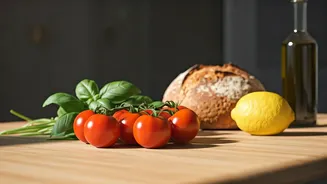
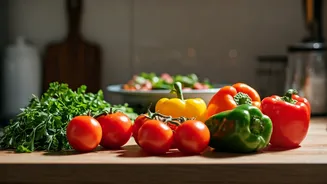
Winter cooking is a fortress against the cold. It’s about braises that perfume the house for hours, rich stews that stick to your ribs, and baking projects that turn the oven into a household hearth. These are meals of fortification and hibernation. Summer, however, has an entirely different agenda. Summer cooking is a celebration of abundance and a negotiation with the heat. The season itself is telling you to take it easy. The tomatoes are so good they barely need more than salt and a drizzle of olive oil. The corn is sweet enough to eat raw. The berries are bursting with juice, demanding to be eaten by the handful, not baked into a complicated tart. To ignore this is to miss the point of the season entirely. Fighting against the weather by turning on the oven to 450°F for a slow roast is not just impractical; it’s an act of defiance against nature’s own suggestion to just... chill out.
The Art of Assembling
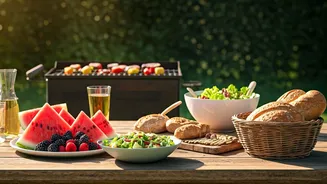
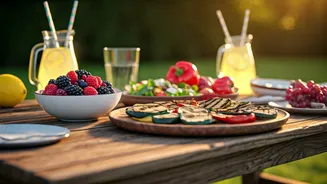
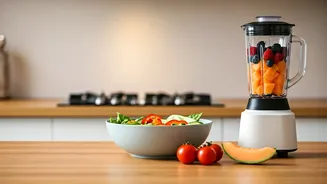
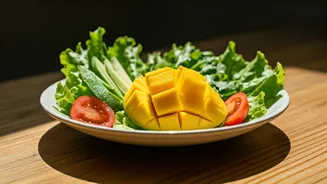
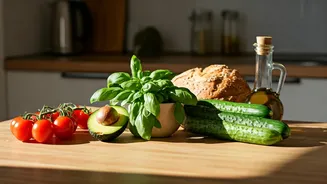
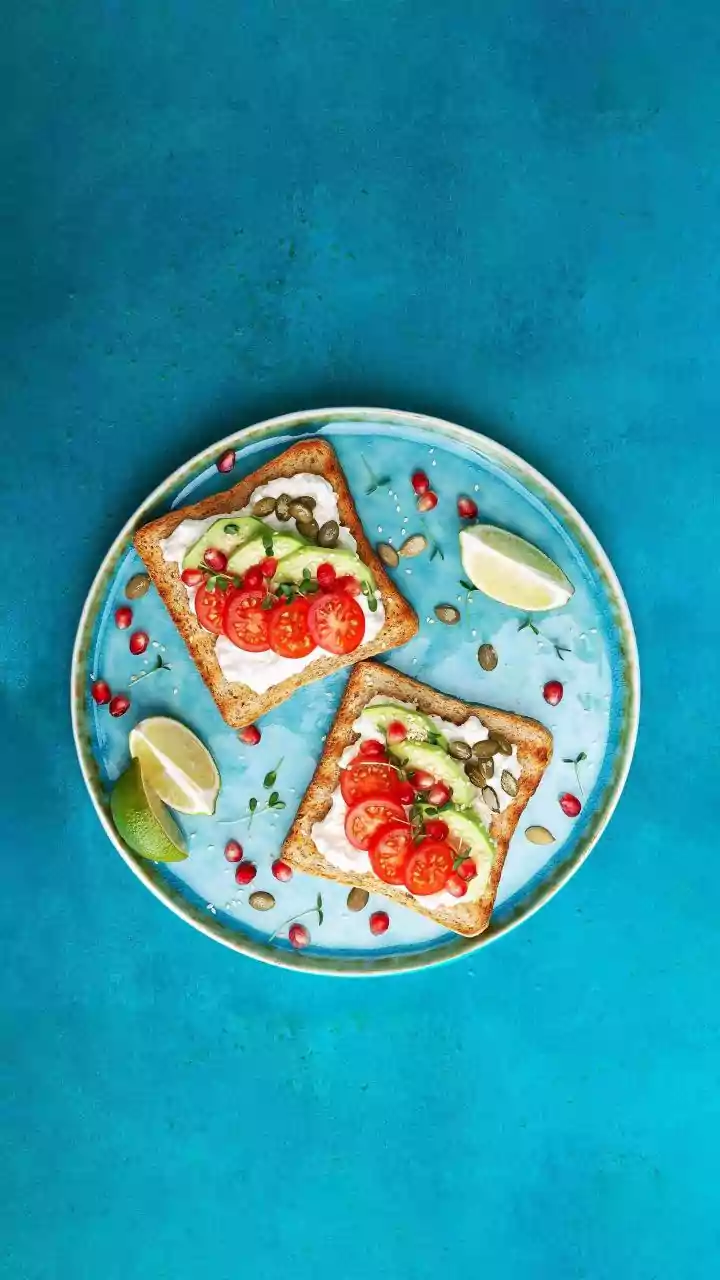
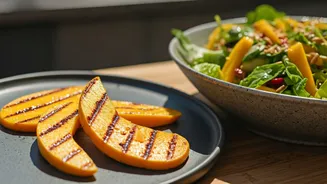
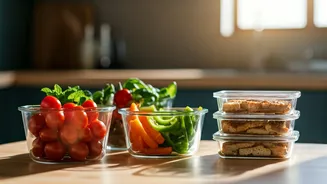
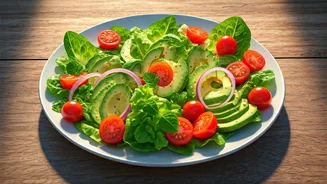
Let's rebrand "low-effort" cooking. It’s not lazy; it’s strategic. It’s not a failure; it’s an art form. Welcome to the era of "assembling." Assembling is about curation, not creation from scratch. It’s about knowing that a platter of excellent sliced melon, prosciutto, and fresh mozzarella is a masterpiece in its own right. It’s a giant salad bowl filled with everything you found at the farmers market, tossed with a simple vinaigrette you shook up in a jar. It’s a "snack dinner" of good bread, good cheese, olives, and whatever else you can find in the fridge. This approach puts the focus back where it belongs: on the quality of the ingredients. When produce is at its peak, the cook’s job is simply to get out of the way. Grilling is the ultimate form of assembly—it’s elemental, fast, and keeps the heat outside. You’re not slaving; you’re presiding over fire, a far more glamorous role.
Redefining a 'Good' Meal
We need to untangle the idea that effort is directly proportional to quality or love. A meal made with joy and ease is infinitely better than a technically perfect dish prepared with gritted teeth. The "goodness" of a meal isn't measured in the number of steps in the recipe. It’s measured in the laughter around the table. It’s the feeling of a cool breeze through the window as you eat. It’s the simple, profound pleasure of a perfectly ripe peach eaten over the sink, juice dripping down your chin. Summer offers a precious, fleeting window to redefine our relationship with food and hosting. It’s a chance to value presence over production, to spend less time managing pots and more time connecting with the people you’re feeding. Let someone else bring the potato salad. Buy the damn dessert. Your future self, cozy and ready to tackle a seven-hour cassoulet in November, will thank you.