




First Off, What Exactly Is Kombucha?
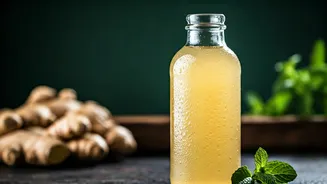
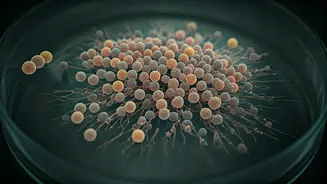
At its core, kombucha is simply fermented sweet tea. The magic happens thanks to a SCOBY, a rather strange-looking, pancake-shaped culture of bacteria and yeast. SCOBY stands for ‘Symbiotic Culture Of Bacteria and Yeast.’ When you add a SCOBY to sweetened
black or green tea, it consumes the sugar and tannins, transforming the liquid over a week or two. The result is a tart, effervescent drink that’s packed with the byproducts of this fermentation process. While the idea of drinking a bacteria-and-yeast concoction might sound odd, it’s a practice that dates back centuries. The process also produces a small amount of alcohol (typically under 0.5% for commercial brands to be sold as non-alcoholic), which is something to be aware of.
The Gut Health Connection: Hype vs. Reality
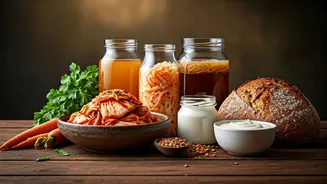
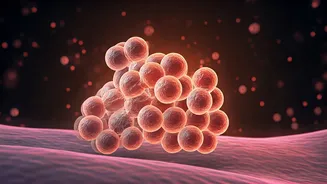
This is the big question. The gut health buzz around kombucha centers on probiotics—live, beneficial bacteria that can support a healthy digestive system. Because kombucha is a fermented product, it is a potential source of these helpful microbes. A healthy gut microbiome (the community of trillions of bacteria living in your digestive tract) is linked to everything from digestion and immunity to mood. However, it's important to separate hype from scientific certainty. While lab studies show kombucha contains various strains of bacteria and yeast, the specific probiotic benefits for humans are still being researched. Many of the live cultures in store-bought kombucha can be inconsistent from batch to batch, and some may not survive the journey through your stomach acid. So, while kombucha can contribute beneficial bacteria, it’s not a magic cure-all. Think of it as one component of a gut-friendly diet, not a replacement for one.
Why 'Viral' and 'Local' Matter
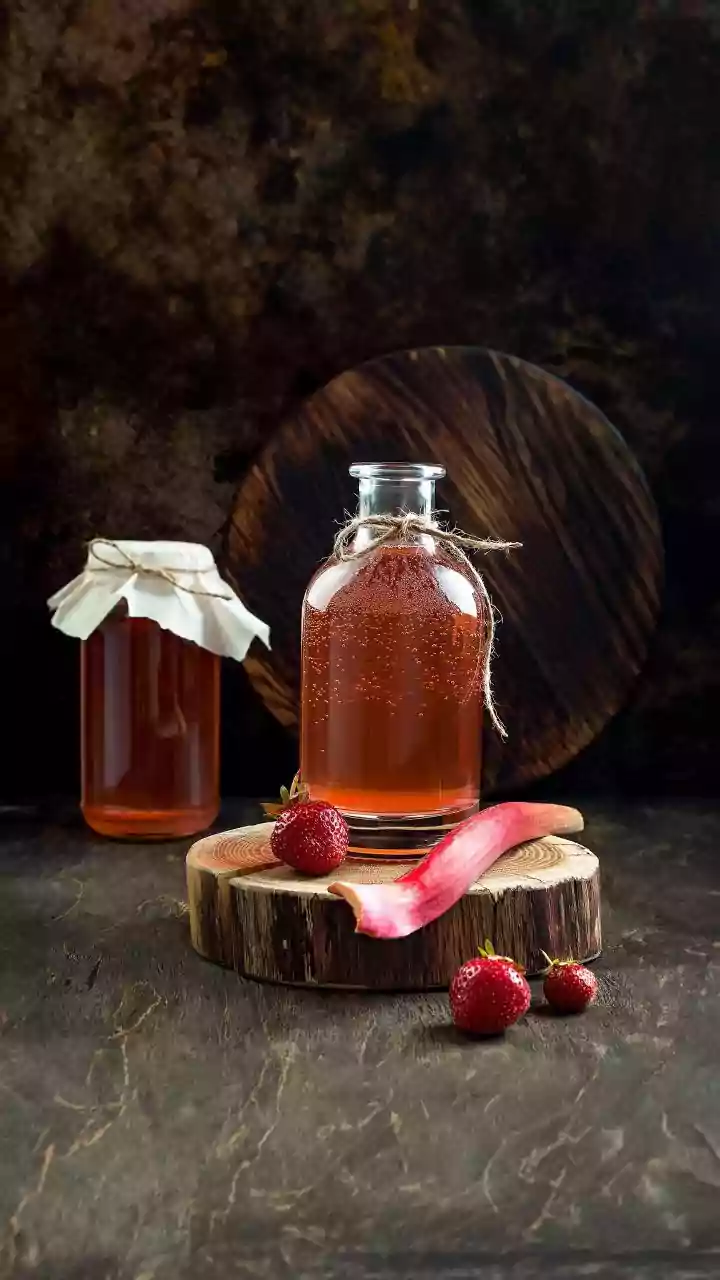
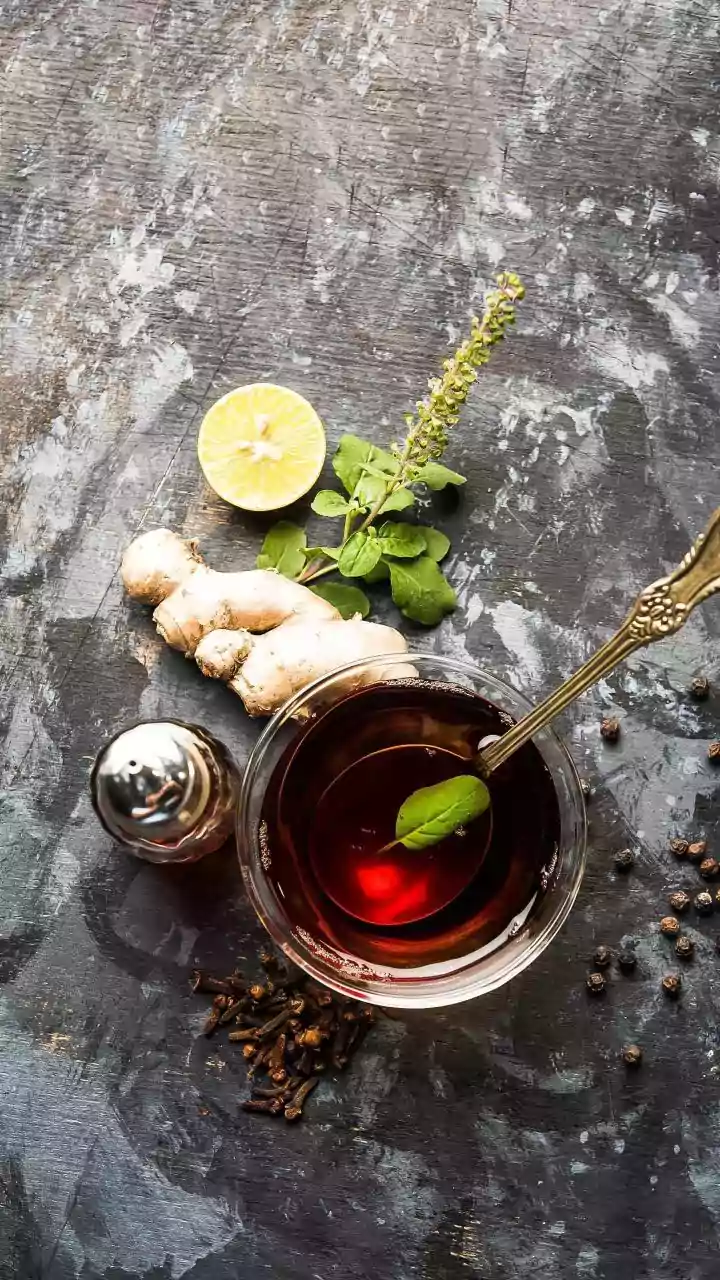
So why is everyone suddenly obsessed with *local* kombucha? The 'viral' appeal comes from a few places. First, flavor. Small-batch, local brewers often get creative, infusing their kombucha with unique, seasonal ingredients like local berries, fresh ginger, or regional herbs that you won't find in mass-produced national brands. This makes discovering a new local brand feel like finding a hidden gem. Second, there's a perception of quality. Local brewers often use a more traditional, less-industrialized process. Many fans seek out 'raw' and 'unpasteurized' kombucha, believing it contains more of the live cultures that are the whole point of drinking it. The 'local' aspect also taps into a desire to support small businesses and connect with the community, turning a simple wellness drink into a statement of local pride.
How to Pick a Great Kombucha
When you're standing in front of that rainbow of bottles, it's easy to get overwhelmed. Here are a few things to look for. First, check the sugar content. The fermentation process requires sugar, but some brands add a lot of extra juice or cane sugar for flavor after fermentation, turning a health drink into a sugary soda. Look for brands with under 10 grams of sugar per serving. Second, check the ingredients list. It should be simple: water, tea, sugar (for fermentation), and the kombucha culture. If you see a long list of artificial flavors or preservatives, you might want to choose another brand. Finally, if you're seeking the maximum probiotic potential, look for labels that say 'raw' or 'unpasteurized.' Pasteurization kills all bacteria, both good and bad, to extend shelf life, which defeats much of the purpose for many kombucha drinkers.