

The Rise of the Culinary Pilgrimage
Not long ago, a serious foodie might plan a vacation around a city known for its culinary scene—New Orleans for Creole, New York for, well, everything. But a new, more pointed trend is taking hold. It’s not about visiting a city with great food; it’s
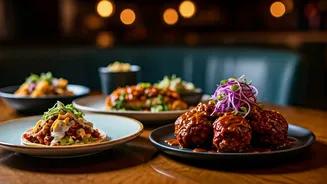
about traveling hundreds, sometimes thousands, of miles for one specific, often viral, dish. Think flying from Los Angeles to Austin for a single serving of Franklin Barbecue’s brisket, or booking a weekend trip to Chicago solely to secure a table at a notoriously hard-to-book restaurant. This is the culinary pilgrimage: a highly focused, experience-driven journey where the destination is a plate. It’s less about a leisurely vacation and more about a targeted mission to conquer a bucket-list bite. This shift transforms a meal from a simple pleasure into a trophy, an achievement unlocked through planning, travel, and dedication.
Fueled by the Social Media Engine
This phenomenon wouldn't exist, at least not at this scale, without social media. The “flex” in “food flex” is the public-facing proof. Platforms like TikTok and Instagram are the engine of this trend, turning local favorites into national obsessions overnight. A 30-second video of a perfectly pulled cheesy pizza slice or a glistening, slow-smoked rib can reach millions, creating an instant, widespread desire. The algorithm doesn't care about geography; it cares about engagement. When a small bakery in Portland, Maine, goes viral for its potato donuts, it’s not just locals who see it—it’s aspiring diners in Phoenix and Miami. The act of posting from the location—geotagged and hashtagged for maximum visibility—is the final, crucial step. It says, “I didn’t just see this online. I went there. I did it.” It’s a modern form of storytelling where the traveler is the hero, and the legendary dish is their prize.
It’s Not Just About Fine Dining
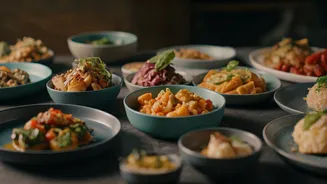
While securing a reservation at a three-Michelin-starred restaurant has always been a form of culinary sport, the new food flex is surprisingly democratic. The prize is just as likely to be a $15 cheesesteak from a no-frills joint in Philadelphia or a specific bagel from a legacy shop in the Lower East Side as it is a $400 tasting menu. The value isn’t in the price tag; it's in the story, the authenticity, and the perceived scarcity. Often, the most sought-after experiences are tied to places with deep roots and a cult-like following. It’s about eating a po' boy from a shop that has been serving them for 75 years, or waiting in a two-hour line for a regional pastry you can’t get anywhere else. This broadens the field, allowing more people to participate in the chase. You don't need to be wealthy, just dedicated.
The Post-Pandemic Search for Something Real
After years of lockdown, remote work, and digital saturation, there’s a collective craving for tangible, unique experiences. We spent years ordering from delivery apps and scrolling through endless digital menus. Now, the pendulum is swinging back with a vengeance. A cross-country trip for a specific taste is the ultimate antidote to the generic and the virtual. It’s a sensory, physical, and memorable event that can't be replicated on a screen. It’s a rejection of the idea that everything can be delivered to your door. This quest for authenticity also represents a shift in how we define luxury. Instead of accumulating more things, people are increasingly investing in stories they can tell and memories they can savor—and, of course, post about. The meal itself is almost secondary to the journey and the bragging rights that come with it.